
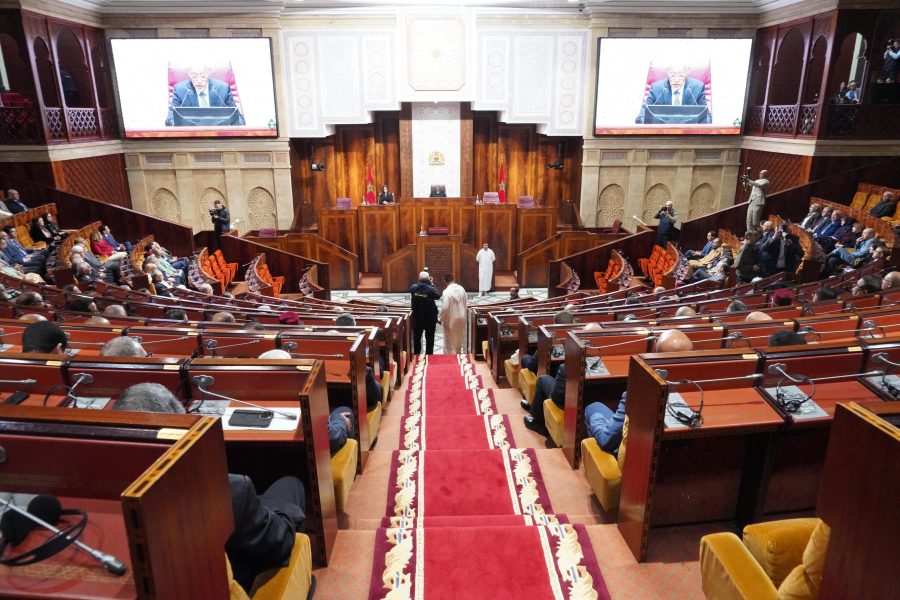
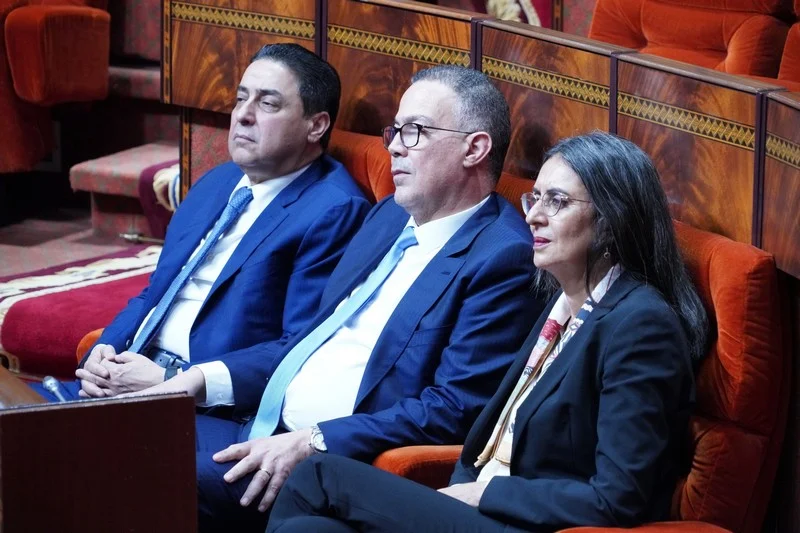
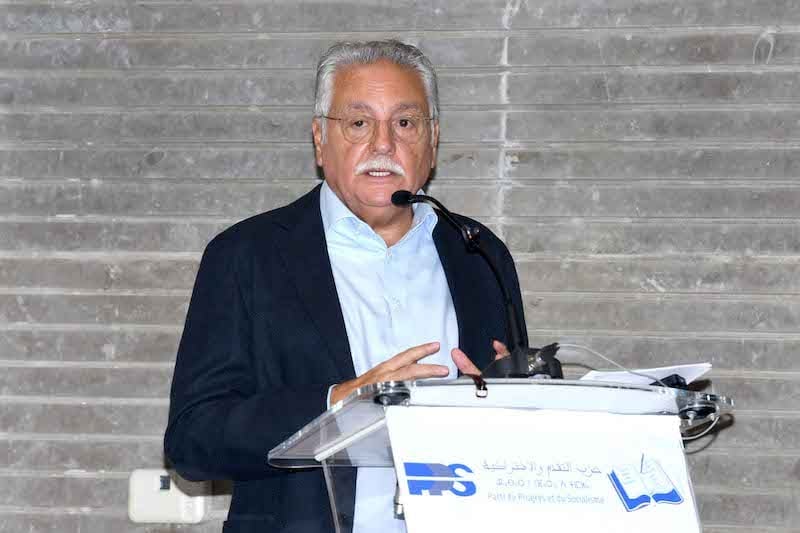
n a significant gathering at the House of Representatives, stakeholders convened to discuss the intricacies of implementing Law 103.13, a pivotal legislation aimed at combating violence against women. The meeting, which kicked off on Tuesday, explored the legal, regulatory, and operational challenges tied to the enforcement of this law and explored potential strategies and mechanisms for resolution.
This comprehensive study meeting brought together diverse participants, including constitutional, ministerial, and parliamentary institutions, international partners, political organizations, political parties, representatives from civil society, academics, and experts. Its primary goal is to foster a robust public discourse and broaden the scope of attention regarding Law 103.13, in force since 2018.
The gathering also delved into mechanisms and measures designed to mitigate the negative consequences of gender-based violence. Additionally, the effectiveness of provisions addressing impunity, victim support, and preventive measures were scrutinized.
Initiated by the House of Representatives in collaboration with the Parliamentary Assembly of the Council of Europe, this event is part of a series of joint meetings aimed at addressing various aspects of this critical issue. These meetings focus on identifying best practices, facilitating comparisons, and exchanging perspectives in the development of pertinent reports.
During the event, Khadija Oulbacha, President of the temporary thematic working group tasked with evaluating the implementation of Law 103.13, highlighted the timeliness of the gathering. She noted that it followed shortly after a message from HM King Mohammed VI to the head of the government concerning the revision of the Family Code, underscoring the Sovereign’s unwavering commitment to advancing women’s and family issues.
Oulbacha also touched on the motivations behind organizing this meeting, including national context considerations, the prominence of women’s rights in public policies and debates, and the pressing challenges that need to be addressed.
The event emphasizes the House of Representatives’ commitment to expand its role in evaluating legislation. In this instance, it has chosen to assess the implementation of a law already in force, highlighting its undeniable significance.
Saša Magazinović, a member of the Parliamentary Assembly of the Council of Europe (PACE), discussed the global scale of violence against women. He cited alarming statistics, revealing that one-third of women worldwide experience physical or sexual violence at least once in their lifetimes, emphasizing the need for a preventative approach to address this grave issue effectively.
Rocco Busco, Head of Cooperation at the EU Delegation to Morocco, emphasized that this meeting presents an opportunity to evaluate the landmark law on violence against women. He noted that European legislation is working in tandem with Morocco, exemplifying a robust partnership.
Busco reaffirmed the EU’s commitment to supporting Morocco’s reform initiatives under the leadership of His Majesty King Mohammed VI. He also praised the quality of parliamentary cooperation between the two entities, emphasizing shared values and collaborative projects aimed at bolstering both chambers’ capacities in alignment with the Constitution.
The law against violence on women represents a substantial addition to Morocco’s legal framework, alongside the Family Code, noted Busco.




add your comment
Terms of publication : Not to offend the writer, people, sacred things, or attack religions or the divine self, and refrain from racist incitement and insults.