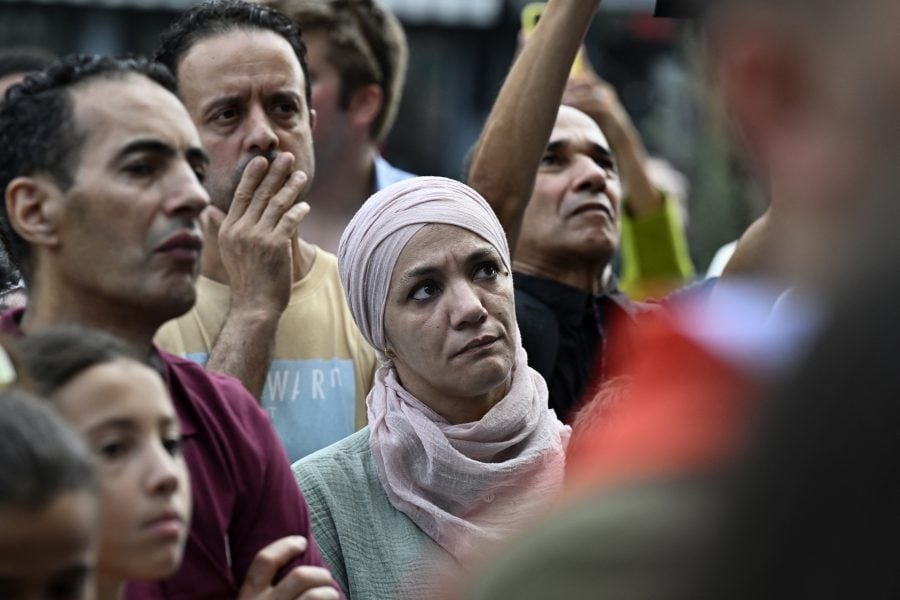
Hello and welcome to Hespress English’s live coverage as Morocco prepares to vote in the 2026 legislative elections.
Key facts:
- 395 seats, no outright winner expected. It takes 198 to govern alone, so the vote itself is really just the opening move in a longer negotiation.
- The real fight starts after the polls close. Whoever finishes first gets first crack at forming a government, but they’ll need coalition partners to hit the majority threshold. Watch who’s willing to sit with whom.
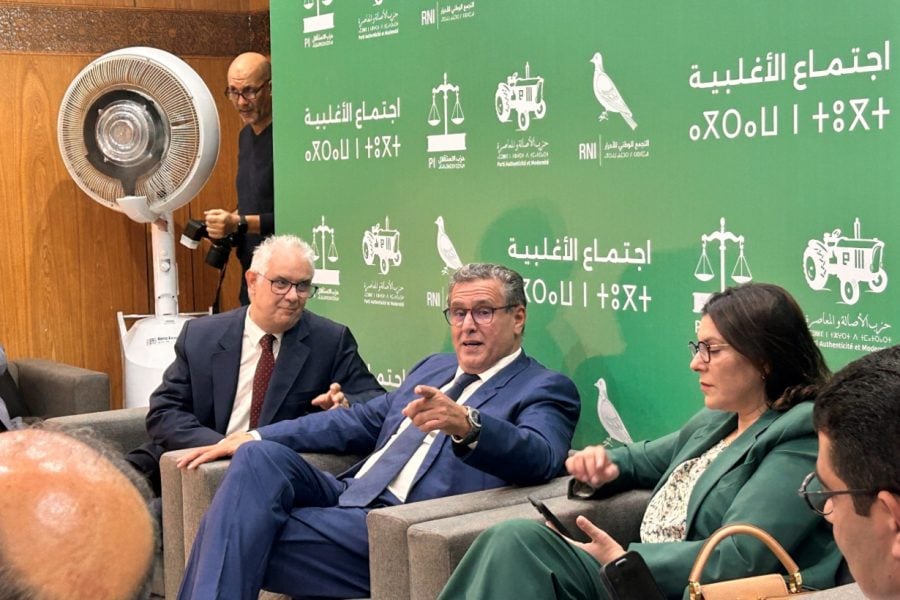
- RNI, PAM and Istiqlal are defending a shared record – separately. All three have governed together, but they’re campaigning like rivals, each distancing itself from the parts of the record voters like least.
- Turnout won’t map cleanly to results. Seats are allocated by registered voters per constituency, not just by voters who show up. A low-turnout area doesn’t lose influence the way it would elsewhere.
- The electorate is old, and getting older relative to youth turnout. Voters 60+ outnumber 18-24 year-olds more than seven to one.
23:54 | Campaign silence begins as polls prepare to open
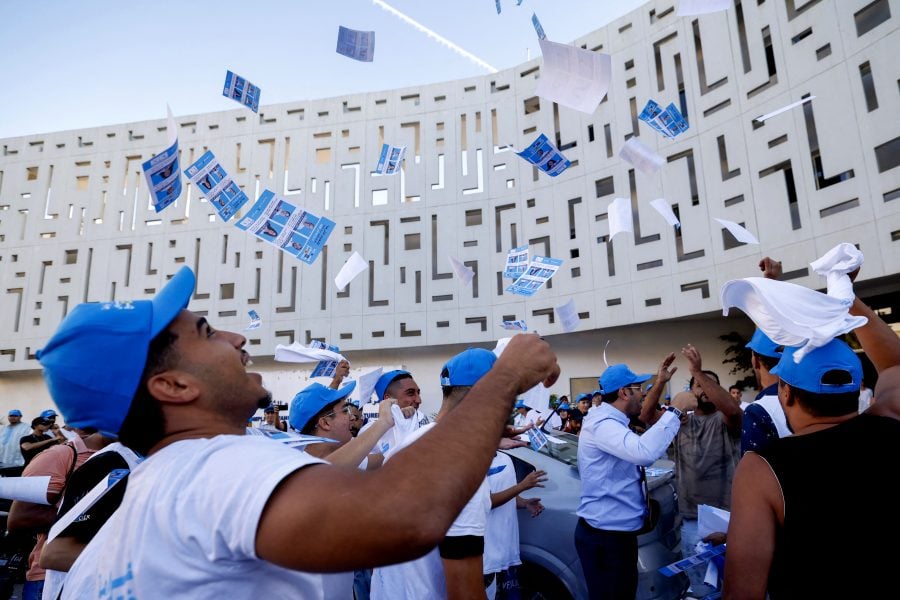
Morocco votes for a new parliament tomorrow. The campaign closed at midnight Tuesday; we’re now entering the mandatory silence period, and there’s no late polling to go on, so nobody really knows where this stands heading in.
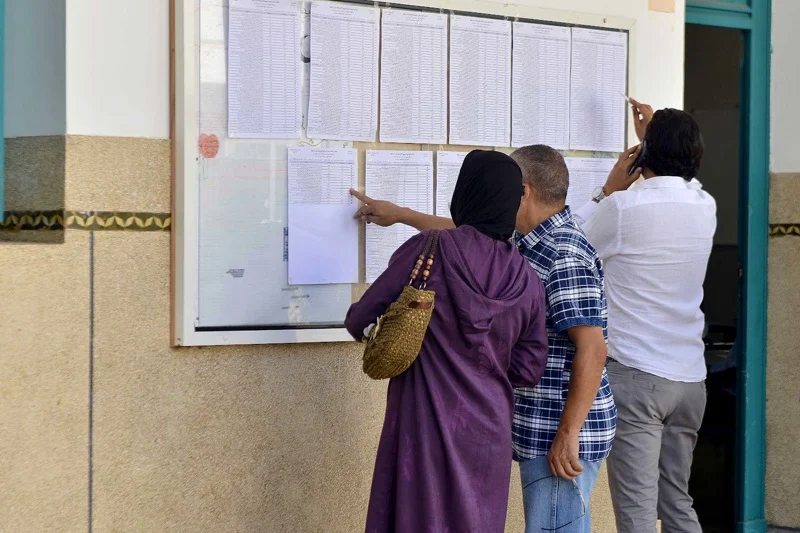
Polls run 8 a.m. to 7 p.m., with 15.8 million registered voters. Turnout will be the first real number to come out, before the actual count begins.
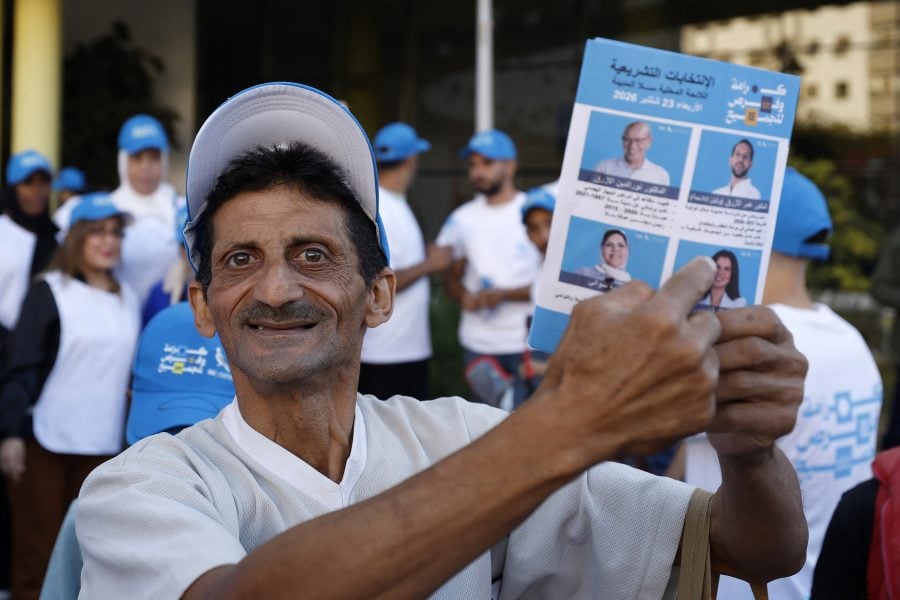
On substance, the final stretch of the campaign has mostly been about the outgoing government’s record, argued from different sides. The RNI is running on its numbers in health, education, employment and social protection. PAM has focused on purchasing power, and that argument has centered on one figure: 280 billion dirhams.
Budget Minister and PAM political bureau member Fouzi Lekjaa cited that figure as the amount mobilized over five years to support purchasing power, while himself raising doubts about how effective it’s actually been. The PJD, PPS and Alliance of the Left have since picked up the same number and turned it into a line of attack against the government. Istiqlal’s pitch has been more about structural change: wages, housing, and cutting the country’s dependence on imported energy, food and medicine.



add your comment
Terms of publication : Not to offend the writer, people, sacred things, or attack religions or the divine self, and refrain from racist incitement and insults.