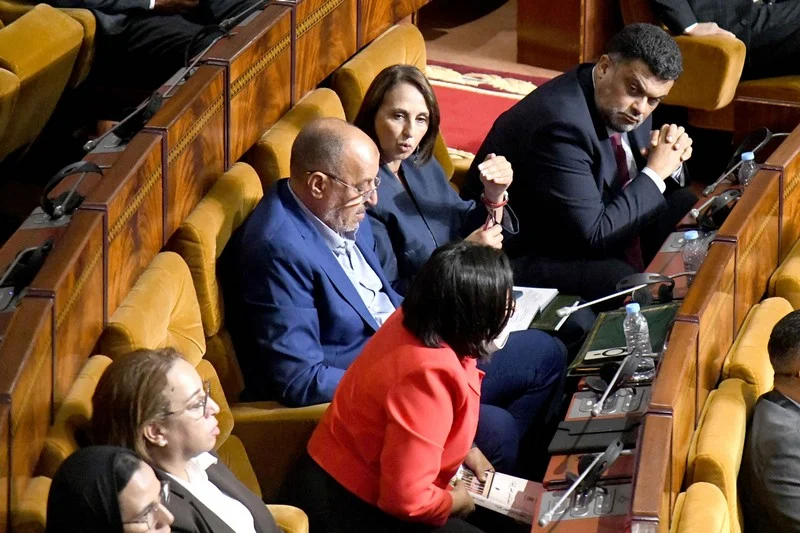
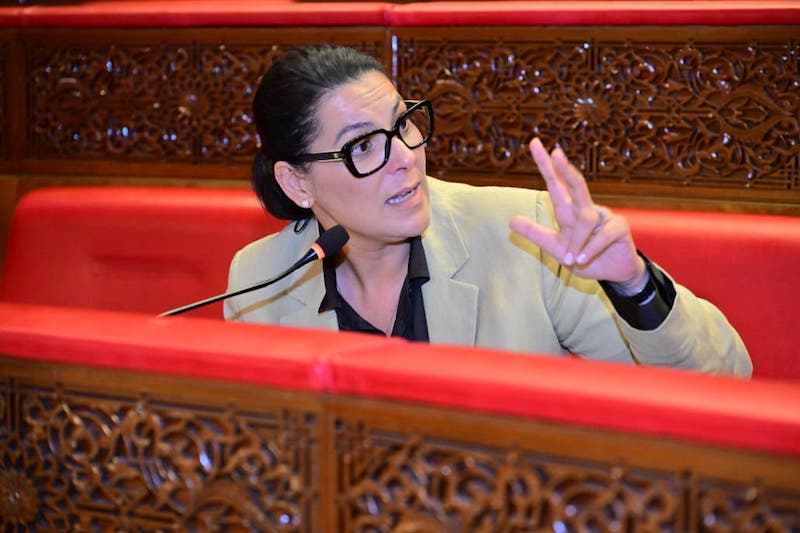
Moroccan lawmaker Omar Mahmoud Benjelloun is facing mounting criticism from Sahrawi and Amazigh advocacy groups over separate remarks concerning the use of Hassaniya in Parliament and the constitutional status of Amazigh, with the Left Alliance MP rejecting accusations of linguistic discrimination and refusing to apologize for his comments on Hassaniya.
The controversy has unfolded over more than two weeks, beginning with a disputed parliamentary vote on October 13 and widening after Benjelloun’s intervention during debate on the new government’s programme on October 22. By Thursday, October 29, associations in the southern provinces and elsewhere in Morocco had called for explanations and action by parliamentary authorities.
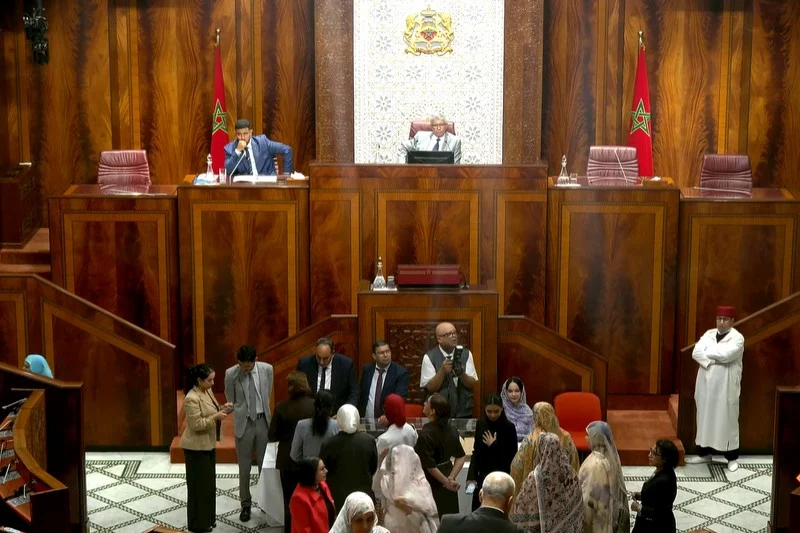
The first dispute arose during the October 13 sitting to elect the House of Representatives president, chaired by Abdelaziz Abba, an Istiqlal MP representing Boujdour.
Members of the Left Alliance walked out after Abba classified their blank ballots as invalid votes and refused Benjelloun’s request to raise a procedural objection. The session ended with the election of Authenticity and Modernity Party lawmaker Ahmed Touizi as House president.
Benjelloun subsequently criticized Abba’s handling of the proceedings, while a separate controversy developed over remarks attributed to him about the use of Hassaniya by the presiding lawmaker.
In a video circulated online, Benjelloun was reported to have questioned whether the proceedings resembled those of a neighbouring country’s parliament, while calling for Modern Standard Arabic to be used in conducting the sitting.
The remark, reported widely by October 27, drew condemnation from critics who considered the comparison offensive to Hassaniya speakers and the cultural identity of Morocco’s southern provinces.
By then, Benjelloun was already facing criticism over another parliamentary intervention.
During the October 22 debate on head of government Fatima Zahra Mansouri’s government program, he questioned spending associated with implementing Amazigh’s official status and referred to Arabic as Morocco’s official language.
The following day, the Akraw organization condemned his statements as exclusionary, demanded a public apology and urged the Left Alliance to clarify its position. It also called on the House leadership to consider disciplinary action.
Speaking to Médias24 on October 27, Benjelloun rejected the criticism, describing it as a misunderstanding and asserting that he and the Moroccan left supported Amazigh’s constitutional status.
On October 28, a maritime workers’ association in Dakhla condemned his remarks, saying they undermined respect for the cultural identity of residents of the southern provinces.
The Moroccan Human Rights and Environment Association’s Casablanca-Settat branch also demanded an explanation, urging parliamentary authorities to uphold the country’s linguistic and cultural diversity.
Its regional president, Fouad Gharsa, said respect for Hassaniya and the dignity of citizens in the southern provinces formed part of the constitutional obligations of national institutions.
Article 5 of Morocco’s Constitution recognizes Arabic and Amazigh as official languages and requires the state to preserve Hassaniya as an integral component of Moroccan cultural identity.


add your comment
Terms of publication : Not to offend the writer, people, sacred things, or attack religions or the divine self, and refrain from racist incitement and insults.