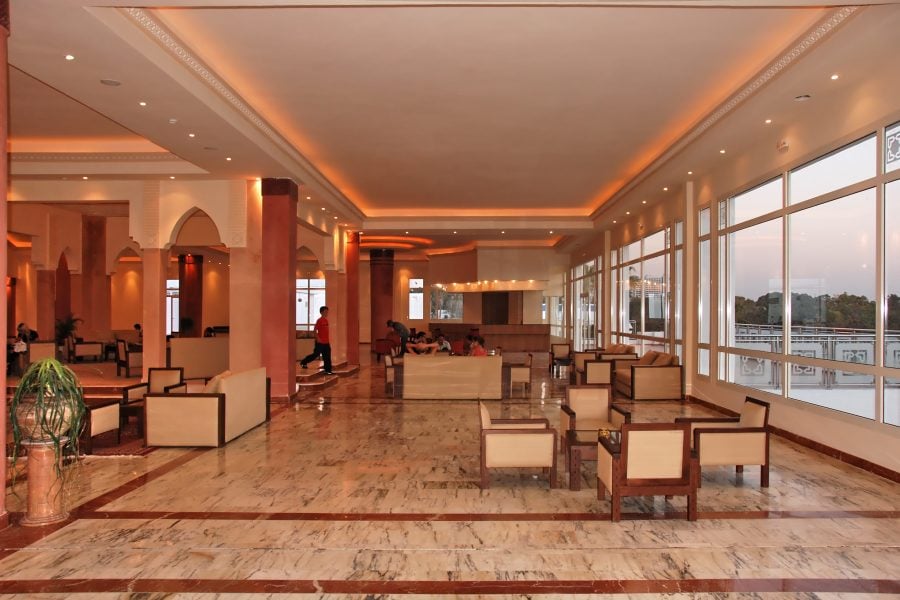
Morocco is rolling out “mystery guest” inspections in hotels as it races to upgrade tourism standards ahead of the 2030 FIFA World Cup, with inspectors now evaluating the real guest experience rather than relying solely on star ratings.
The inspections will assess factors such as cleanliness, staff behavior, waiting times, food quality, booking transparency, and whether hotels deliver the services they advertise online.
The program will cover around 2,500 classified tourist establishments, including hotels, riads, tourist residences, and luxury accommodations.
According to Moroccan reports, inspectors will use evaluation grids containing between 235 and 387 criteria, depending on the category of the establishment.
Why Morocco is changing the system
For years, Morocco’s hotel classification system functioned largely as a technical checklist. Hotels were rated based on infrastructure, including room size, equipment, parking facilities, swimming pools, and reception areas. However, tourism officials increasingly believe that this model no longer reflects what visitors value most.
A hotel may hold a five-star rating on paper while still leaving guests dissatisfied because of poor service, hidden charges, hygiene issues, or misleading advertising. Service quality now carries greater importance as Morocco enters a new phase of tourism growth.
The country welcomed a record 17.4 million tourists in 2025 and aims to attract 26 million visitors annually by 2030, a target that would place Morocco among the world’s leading tourism destinations.
The challenge is no longer limited to attracting visitors. Authorities are now focused on ensuring tourists leave satisfied enough to return, or at least avoid posting negative reviews online.
Tourism today is heavily influenced by platforms such as Booking.com, Tripadvisor, Airbnb, TikTok, Reddit, and Google Reviews, where a single viral complaint about scams or poor treatment can spread faster than any official tourism campaign.
Morocco has faced growing online criticism in recent years from some travelers complaining about aggressive sales tactics, inflated prices, fake guides, taxi disputes, and hotel service issues in tourist cities such as Marrakech. Service quality is increasingly becoming one of the key competitive factors between destinations.
Other countries already use the model
Morocco is not inventing the mystery guest model. Dubai is one of the clearest examples of how anonymous inspections can reshape a tourism sector.
In Dubai, tourism authorities regularly send undercover inspectors into hotels, restaurants, and tourist venues without warning.
The system became a major component of Dubai’s strategy to position itself as a global luxury tourism hub, and tourism figures illustrate the impact of that approach.
Dubai welcomed more than 18.7 million international overnight visitors in 2024, one of the highest totals in its history. Hotel occupancy rates remained above 77%, among the highest globally for a major tourism city. The emirate also ranks among the world’s leading destinations for hotel revenue per available room, according to tourism and hospitality industry reports.
Part of that success is tied to aggressive quality control. Dubai’s Department of Economy and Tourism conducts continuous inspections and audits across the hospitality sector, including anonymous visits designed to identify problems that scheduled inspections often fail to detect.
The approach has also created pressure within the hospitality industry itself. Many Dubai hotels now operate parallel “secret guest” programs through third-party firms. Employees are evaluated on whether they greet guests properly, resolve complaints efficiently, remember customer preferences, and maintain luxury service standards under real operating conditions.
The model is spreading globally because governments increasingly view tourism as a highly competitive industry in which reputation can change instantly online.
That is part of the logic behind Morocco’s new inspection system ahead of the 2030 FIFA World Cup. Authorities are attempting to identify service failures before millions of visitors arrive.
A successful World Cup could strengthen Morocco’s image as both a tourism and investment destination. Poor tourist experiences, however, could quickly become international headlines.
Other countries have faced similar pressure before hosting major global events.
Ahead of the 2014 FIFA World Cup and the 2016 Olympics, Brazil faced international criticism over tourism infrastructure, safety concerns, and service quality. During the 2022 FIFA World Cup, Qatar invested heavily in hospitality training and tourism management to avoid reputational damage.






add your comment
Terms of publication : Not to offend the writer, people, sacred things, or attack religions or the divine self, and refrain from racist incitement and insults.