
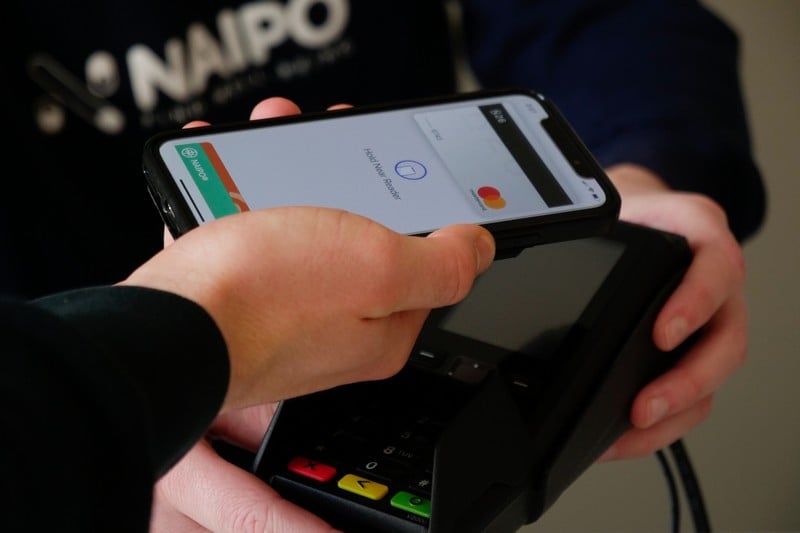
Economic actors in Morocco are raising concerns over the reluctance of many restaurants and strategic facilities in key tourist areas to adopt digital payment methods. This resistance, they argue, not only inconveniences tourists but also undermines tax transparency.
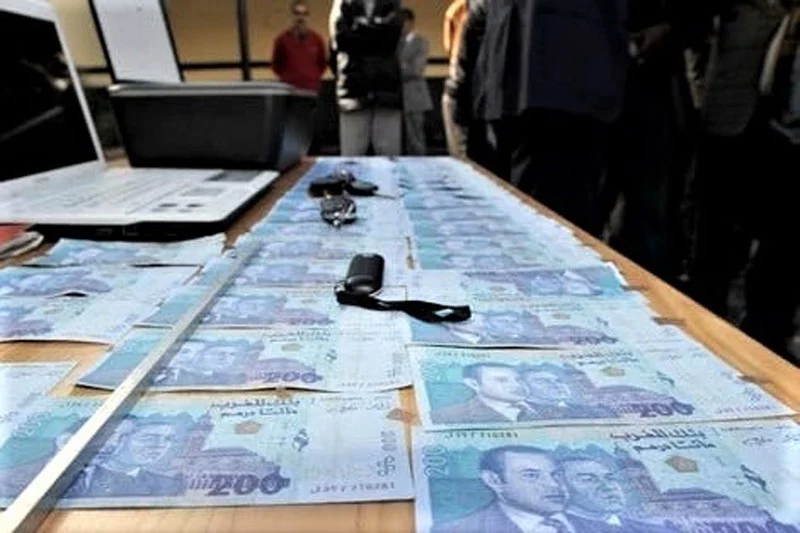
Recent incidents, such as disputes at popular restaurants in Marrakech and Rabat, highlight the growing tension. A notable altercation occurred at a restaurant along the coastal road in Rabat due to the absence of electronic payment options. While no legal mandate currently requires establishments to offer such facilities, experts suggest that this intentional omission often points to tax evasion.
Rachid Sari, an economic researcher, emphasized the need for legal measures to enforce mandatory adoption of digital payment systems in high-traffic tourist locations. He noted that the current generation increasingly prefers cashless transactions, requiring businesses to adapt.
“Restaurants and facilities that refuse electronic payments despite heavy daily footfall clearly aim to evade taxes,” Sari asserted. He called for regular audits by tax authorities to pressure non-compliant businesses and ensure their alignment with ongoing economic reforms.
Sari also proposed integrating requirements for electronic payment systems into licensing processes, arguing that such measures would align with broader efforts to combat cash dependency and informal economic practices. He stressed that facilities forcing tourists to withdraw cash for payments tarnish the country’s tourism image and add unnecessary financial burdens.
Economist Yassine Aalia echoed these sentiments, linking the rejection of electronic payments to deliberate tax evasion. He explained that digital transactions create transparent records of sales, which some businesses seek to avoid by underreporting revenue.
Aalia highlighted cultural and operational factors as additional barriers but acknowledged progress in customer attitudes toward cashless payments. However, he criticized the failure of high-demand establishments to embrace this trend, urging targeted reforms to address the issue.
He also suggested that Morocco’s central bank initiatives, such as reducing electronic payment fees and capping transaction commissions at 0.65%, are vital steps toward fostering trust between businesses, tax authorities, and financial institutions.
As Morocco prepares to host major international events, stakeholders stress the urgency of implementing solutions that modernize payment systems, promote transparency, and enhance the overall tourism experience.





add your comment
Terms of publication : Not to offend the writer, people, sacred things, or attack religions or the divine self, and refrain from racist incitement and insults.