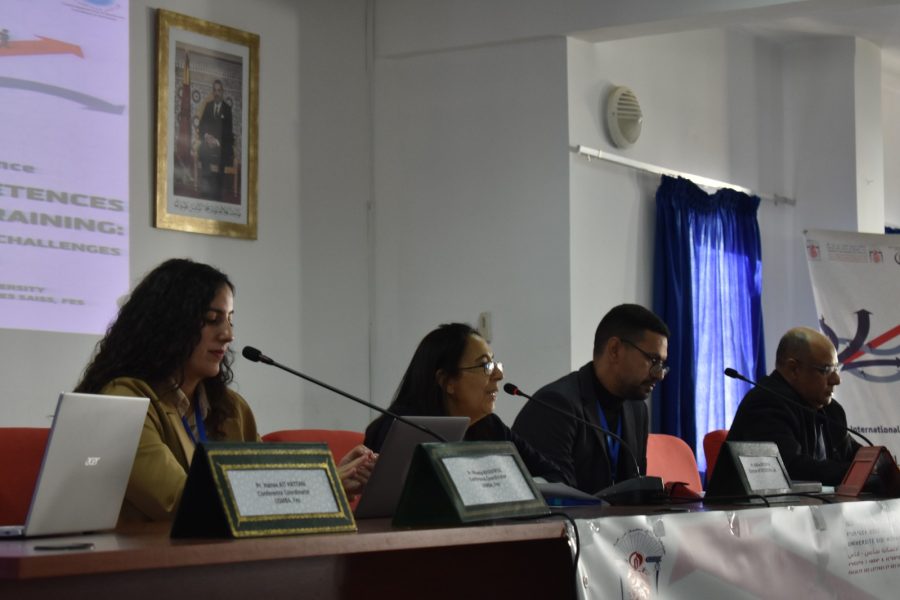
The Saiss Faculty of Arts and Human Sciences in Fez hosted this week an international conference entitled “Transversal Competences in Education and Training: Practices, Opportunities, and Challenges that sought to foster discussions on skills that transcend traditional disciplinary boundaries and enable students to flourish in all aspects of life.
 The conference is part of a broader focus by the Faculty to develop of transversal competencies, which include critical thinking, communication, teamwork, flexibility, and lifelong learning, which are increasingly regarded as necessary for navigating today’s interconnected and ever-changing world.
The event, held on November 12-13, featured incisive contributions from scholars and specialists from several universities, who presented papers and studies on the importance of incorporating soft skills in higher education to better prepare students for job opportunities.
Fidel Cakmak, a distinguished scholar from Alanya Alaaddin Keykubat University in Antalya, Turkiye, as the keynote speaker at the conference. Organized under the dedicated coordination of Pr. Ait Hattani Hanae and Pr. Khoumssi Khawla, the event brought together experts and educators to explore innovative approaches in education.
Cakmak delivered a thought-provoking presentation titled “Integrating Transversal Competences in Education: Challenges and Pathways to Effective Implementation.”
According to the Turkish academic, digital literacy is becoming vital for our students. She investigated the critical role of soft skills in education and training, providing significant insights into the opportunities they provide and the challenges educators and institutions must overcome in order to successfully adopt them.
Successive panelists provided their academic perspectives on the prospects, obstacles, and approaches to introducing soft skills into Morocco’s higher education system, allowing attendees to engage in scholarly discussion about the state of soft skills teaching in Morocco.
Additionally, discussions during the conference explored the potential of digital tools like Rosetta Stone to enhance language acquisition and communication skills—key transversal competences that are vital for global engagement. By embedding such tools into Moroccan higher studies, institutions aim to better prepare students for an interconnected world, equipping them with the adaptability and proficiency required to thrive.
Soft skills are essential to learners’ overall development, equipping them for academic success, personal growth, and professional performance in an ever-changing world. The insights from these talks show both the problems and opportunities associated with acquiring, testing, and promoting these competencies.
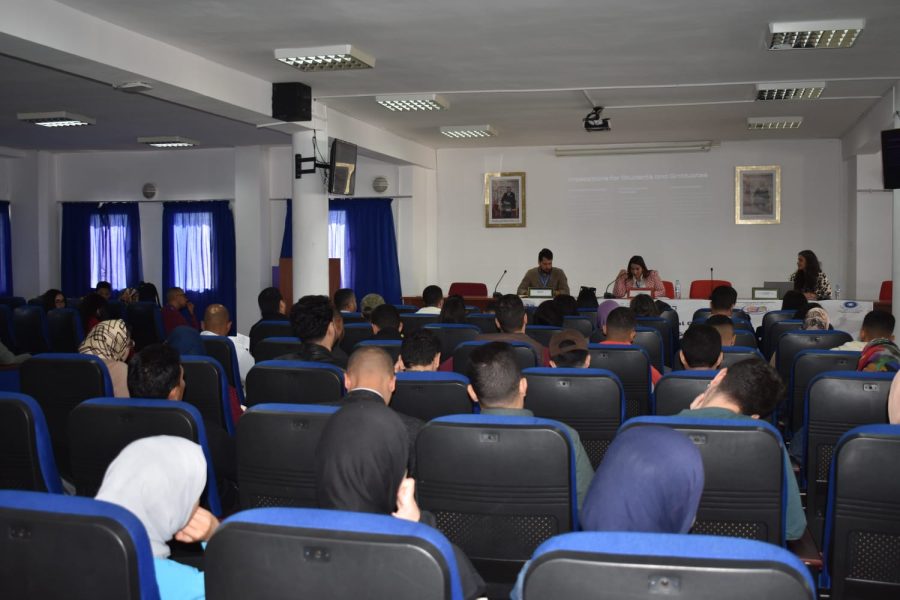
The following are key recommendations for better integrating soft skills into education systems:
- Reform curriculum to include soft skills in all topics and activities, promoting the development of skills alongside academic knowledge.
- Innovative Assessment: Use formative and genuine assessments to successfully evaluate soft skills.
- Provide instructors with continual professional development to cultivate and assess soft skills.
- Enhance extracurricular activities to promote character development and cross-disciplinary competencies.


add your comment
Terms of publication : Not to offend the writer, people, sacred things, or attack religions or the divine self, and refrain from racist incitement and insults.