
May 21 marks the 113th anniversary of a pivotal event in Moroccan history – the French occupation of Fez, a military operation that represented a turning point that escalated tensions and ultimately led to the French protectorate.
The French occupation wasn’t a surprise. Their influence had been steadily growing in Morocco, with Casablanca becoming their operational hub. Internally, discontent simmered due to Sultan Moulay Hafid’s reliance on France and their increasing involvement in Moroccan affairs. Tribal rebellions erupted, weakening the Sultan’s control.
Desperate for help, Moulay Hafid made a critical error and requested French military assistance. This seemingly simple act opened the door for a full-blown intervention. French forces under General Moinier seized Fez and the Sultan’s palace by May 21st.
The Fez occupation exposed the complex web of European colonial ambitions. France and Britain, already carving up the region, watched nervously as Germany, Morocco’s potential savior due to their rivalry, sent a gunboat to Agadir as a show of force.
Ultimately, backed by Britain and Russia, Germany recognized the French protectorate over Morocco in exchange for concessions elsewhere. This solidified British-French cooperation and left Morocco isolated, facing a united front with no allies. The heightened tensions following the Fez occupation would contribute to the outbreak of World War I.
Morocco’s first major capital and prominent imperial city, Fez was far more than just a strategic location. It was one of the world’s most influential centers of knowledge and science, housing some of the oldest universities and libraries.
Fez has also been known for its scholars and contributions to scientific literature and knowledge, including theology, philosophy, mathematics, and medicine.
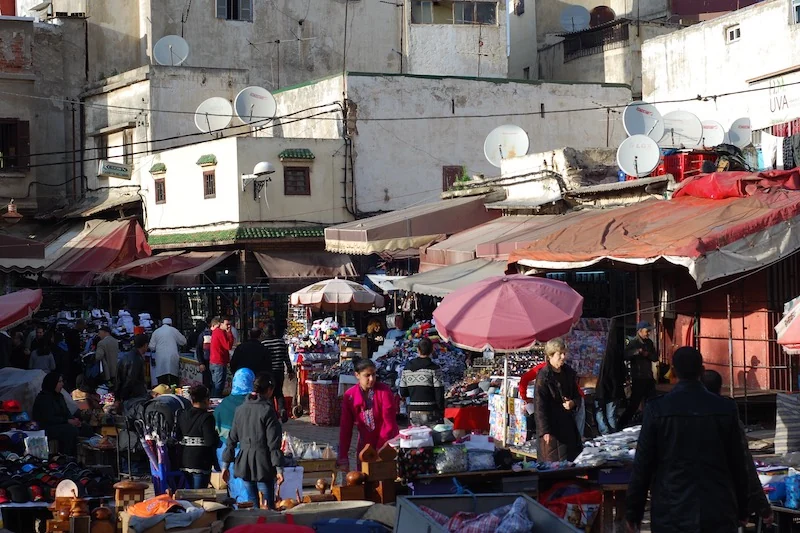
The city embodied Morocco’s Islamic identity with its numerous mosques and religious sites. Its UNESCO-listed medina showcased traditional Moroccan architecture. Fez’s significance transcended its political role as the capital for centuries. It was a magnet for prominent figures seeking its unique blend of religious, political, and cultural offerings.
The French occupation wasn’t just about land; it was about dismantling a nation. Morocco’s internal instability, with tribal tensions and a weakened Sultanate, provided a golden opportunity for European powers. Moulay Hafid, stripped of his authority, was forced to relinquish Moroccan sovereignty for a sham French “protection.” This ushered in a dark period of French control.
French rule was brutal. They used harsh tactics against rebellious tribes, resorting to massacres to quell dissent. Exploitation of Moroccan resources became commonplace.
French policies aimed to systematically dismantle Moroccan culture, targeting institutions, language, and religion. They even attempted to exploit ethnic divisions by creating separate identities for Arabs and Amazigh people.
This stark reminder of the attempted cultural erasure by French occupiers underscores the enduring strength of Morocco’s diverse heritage – its religion, languages, and traditions. Despite brutal tactics, our identity remains unbowed, a testament worth cherishing and defending.




add your comment
Terms of publication : Not to offend the writer, people, sacred things, or attack religions or the divine self, and refrain from racist incitement and insults.