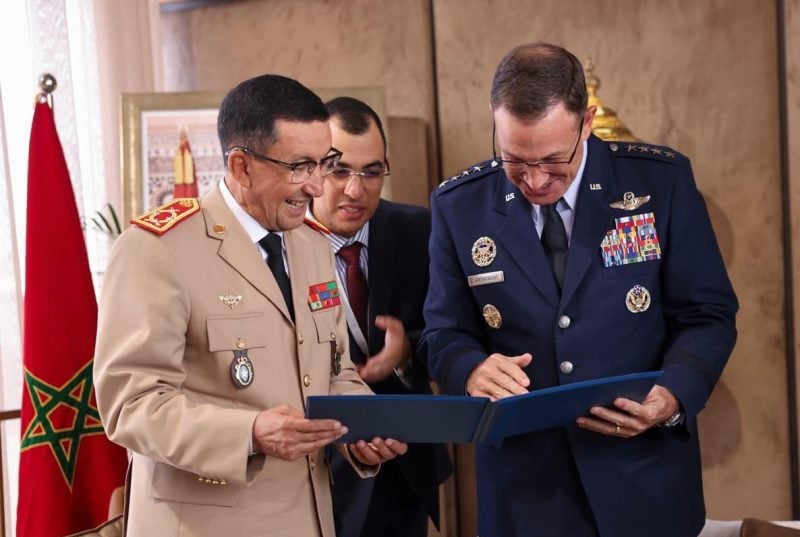
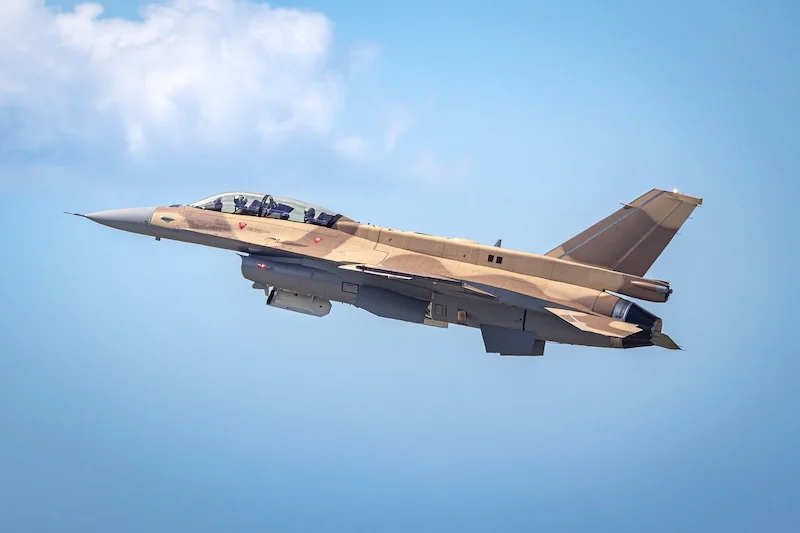
Two F-35s, jets no Moroccan squadron flies, crossed Moroccan skies for the first time this week with Moroccan F-16s close behind, in a formation the U.S. Air Force’s second-highest-ranking officer, Gen. John D. Lamontagne said the US “won’t just let anybody” join.
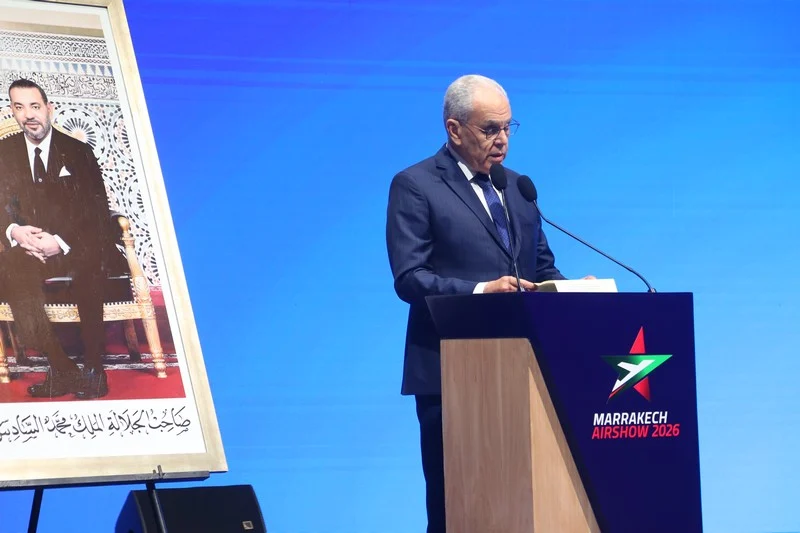
“Not just anyone gets to fly close proximity to an F-35,” the Air Force vice chief of staff told Hespress English the next day in an exclusive interview, standing beside a KC-135 tanker on the tarmac of the Marrakech Air Show.
Lamontagne is the most senior U.S. officer to come to the Marrakech show from Washington rather than from the regional commands, and his only previous time in Morocco had been a three-hour stop in Rabat two decades ago aboard a C-17. Moroccan F-16 pilots and maintainers, he said, train to “the same standards, same tactics, techniques and procedures that we use.”
“We’re already interoperable,” he said, calling the flyover “one more example” of the trust between the two air forces.
The US Air Force has been learning from Morocco in turn, he said, about “operating at range and in a tough environment,” since Americans usually project forces from their own air bases while Moroccan crews are adept at flying “from a variety of different places,” one of which, an F-16 squadron’s base, he planned to tour the following day.
Morocco has been “very generous with their access, basing, and overflight,” Lamontagne said, through African Lion, which draws dozens of nations each year, and through the diplomatic clearances Rabat grants U.S. forces.
“It’s a great place to operate from. We do not take that for granted.”
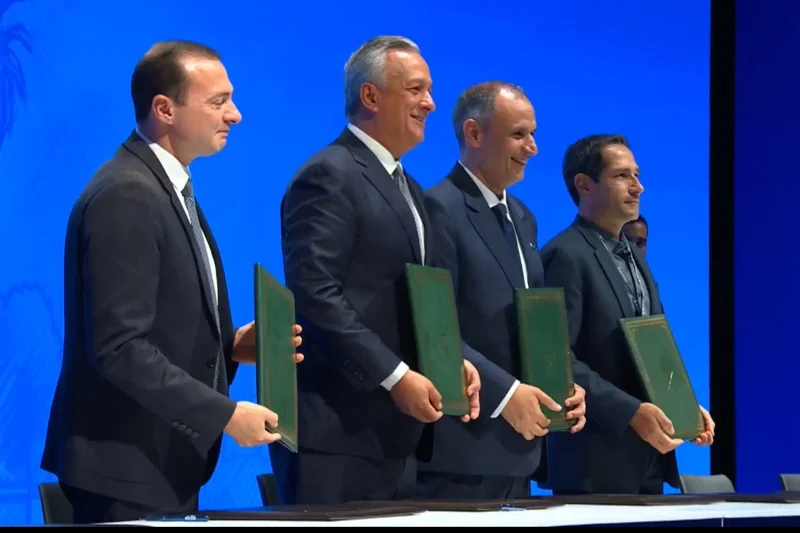
U.S. Africa Command signed an agreement a few months ago to add Tan-Tan to those places, as home to an Africa Multidomain Training and Experimentation Center that Lamontagne said could have gone “anywhere they wanted to in Africa.” “But they put it in the Kingdom of Morocco,” he said. “And that matters.”
He expects the center to open “a lot of doors” for Army and Navy units as well, in drones, artificial intelligence and autonomous warfare, and in five years he wants “more of a habitual relationship.”
Morocco became the first nation to recognize the United States in 1777, and Lamontagne reached across those nearly 250 years to explain the relationship, down to the photographs of US air forces at Casablanca during World War II that he had shown a Moroccan general during the Marrakech show, evidence of a “trust and candor” he said had only grown since American forces were based here in the war.
“We do not have our eyes set on any bases or locations or anything like that,” Lamontagne said, calling Morocco a sovereign state and adding that while geography matters, the United States was “not here for geography.”
Spain this year denied US permission to use jointly operated military bases on its territory, and Portugal’s conditional approval for Lajes has since drawn a prosecutors’ inquiry into the legality of the U.S. use of the Azores base, setting off speculation in the Spanish press that Morocco could take up the slack.
Washington, for its part, is still building at the Spanish base Rota, where new expanded logistics and maintenance capacity make any move south, in the Spanish daily La Razón’s assessment, a “major political and technical challenge.”
But Morocco could still serve as an option. “For sure,” he said when asked. “Just like World War II … Morocco was a great option for the United States. We based forces here and did a lot of great work together. And as those opportunities present themselves and as challenges present themselves, we will take it case by case.”
Much of the relationship is already visible in the F-16s, Apache helicopters and C-130s of a U.S. sales portfolio that Lamontagne put at about $5 billion and rising toward $11 billion, purchases that are landing in a Moroccan defense market that is becoming both larger and less content to remain purely a customer.
SIPRI says Morocco overtook Algeria as Africa’s largest importer of major arms in 2021–25, with imports up 12% from the previous five-year period, even as Rabat has widened the countries and companies it buys from and begun pushing foreign suppliers toward local manufacturing, maintenance and technology.
Morocco has also been reported to be close to finalising a deal to buy F-35s, in what would mark a major upgrade for its air force, putting within reach the jet its F-16s followed over Marrakech.
“But it’s more than sales,” Lamontagne said, describing Moroccans “spending their blood and their treasure” on stability across Africa.
He pointed to roughly 1,300 Moroccan personnel serving in peacekeeping missions in Africa and beyond and the 2,500 officers from sub-Saharan Africa he said the kingdom trains every year, the record behind his description of Morocco as the continent’s largest “exporter of security.”



add your comment
Terms of publication : Not to offend the writer, people, sacred things, or attack religions or the divine self, and refrain from racist incitement and insults.