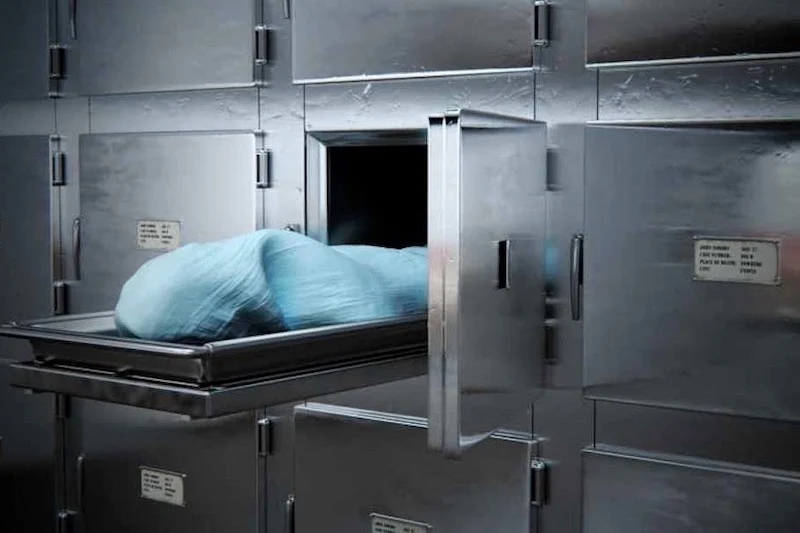
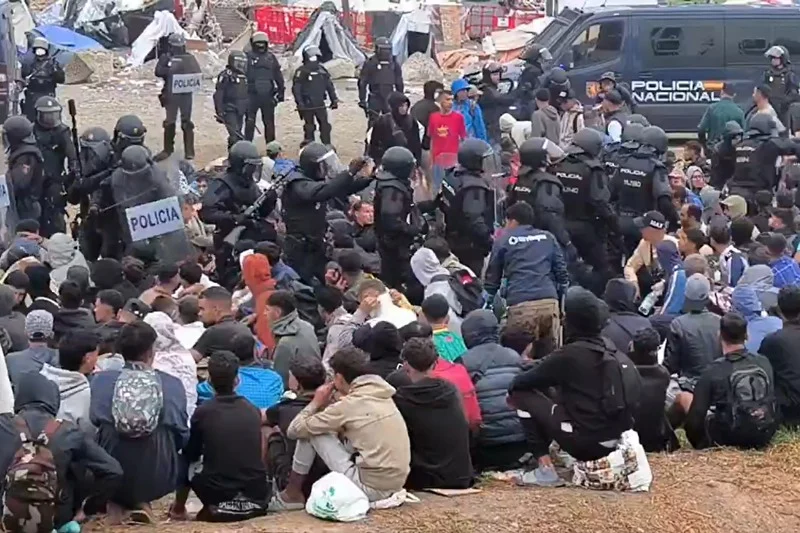
The planned burial of 82 Moroccan migrants who died during the mass crossing attempt in Ceuta on July 30 continues to raise legal and humanitarian concerns, with the Moroccan Association of Human Rights (AMDH) calling for the burials to be halted and the bodies repatriated to Morocco.
In a statement on Thursday, the association said the planned burials should not go ahead before the procedures to identify the victims and contact their families have been completed.
The AMDH emphasized that human dignity must be protected both in life and after death, and that families have the right to know the fate of their relatives, receive their remains and bury them with dignity.
It called on Moroccan authorities to intervene through diplomatic and consular channels to stop the burials, extend the time available for identification, and use scientific and technical methods, including DNA testing, to identify the remains and match them with samples from families searching for missing relatives.
The AMDH also urged Moroccan authorities to work to repatriate the bodies and hand them over to their families for burial in Morocco, calling for direct and transparent communication with the families to keep them informed of developments.
The association sent copies of its letter to the Ministry of Justice, the National Human Rights Council, and the Interministerial Delegation for Human Rights, urging them to take the necessary steps to ensure the victims are identified and their remains returned to the Kingdom.
It noted that the Moroccan state’s responsibility to protect its citizens and uphold their dignity and rights doesn’t stop at the country’s borders, stressing the need for urgent diplomatic and consular action to prevent further suffering for the victims’ families.
The statement comes as authorities in the occupied city of Ceuta await a judge’s approval to bury dozens of migrants who died during the mass crossing attempt in late July, with funeral workers ready to prepare the grave once the permits are issued.
Authorities say the legal limits for preserving the bodies have already been exceeded, with bodies allowed to remain refrigerated for up to six days and frozen for up to 21 days for judicial purposes.
But those limits were extended in this case on humanitarian grounds, giving families more time to identify their relatives, according to Spanish media.
Moroccan authorities have received the available information on the victims so they can compare it with their own databases.
A dedicated office has been set up for families of missing migrants to report missing relatives and provide DNA samples, with 19 cases reported so far.



add your comment
Terms of publication : Not to offend the writer, people, sacred things, or attack religions or the divine self, and refrain from racist incitement and insults.