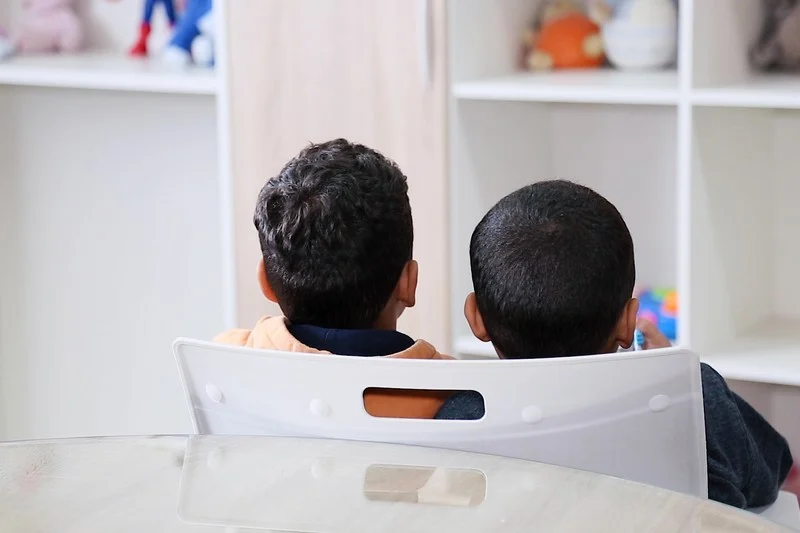
Lead poisoning is quietly threatening nearly 2 million children in Morocco, according to a UNICEF assessment that has reclassified the issue as a silent public health crisis in the kingdom.
UNICEF estimates that 1.9 million Moroccan children may be affected by lead exposure. The figure places Morocco within a much larger global emergency, as roughly 800 million children up to age 19 worldwide have blood lead levels at or above 5 micrograms per deciliter, the threshold the Centers for Disease Control and Prevention identifies as requiring action.
The World Health Organization (WHO) links lead exposure to approximately 1.5 million deaths annually, primarily from cardiovascular disease, and warns that it causes irreversible neurological and behavioral damage, particularly in young children.
Childhood exposure is most harmful in children under 5, during the critical window for brain development, causing lifelong neurological, cognitive, and physical impairment. It has also been linked to mental health problems and increased rates of crime and violence.
The economic toll is severe. UNICEF and Pure Earth estimate the global impact at nearly $1 trillion in lost wages and productivity over the lifetimes of affected children.
Morocco’s specific sources
Morocco faces exposure from multiple overlapping sources. A study by Morocco’s National Institute of Hygiene identified two main sources of lead pollution: urban traffic from leaded gasoline and traditional pottery, which uses glazing powder with high lead concentrations.
The New York City Health Department has identified Moroccan ceramics among products linked to lead poisoning cases in both adults and children.
Drinking water infrastructure also compounds the risk. In cities with older pipe systems, water samples have recorded an average lead concentration of 28 micrograms per liter, nearly three times the WHO safety limit of 10 micrograms per liter.
Informal and substandard recycling of lead-acid batteries is another major driver of childhood lead poisoning in low- and middle-income countries. These countries have seen a threefold increase in vehicle numbers in recent decades, and Morocco is no exception.
Morocco has taken some regulatory steps. The Ministry of Health adopted a standard of 90 parts per million for lead content in paint, in line with WHO and UNEP recommendations.
Morocco also joined the global “Lead-Free Future” partnership in August 2024, aiming to eliminate child lead exposure by 2040. A national multisectoral task force, led by the Ministry of Health and UNICEF, has been working since 2025 to establish a dedicated national program.
The global partnership, launched at the U.N. General Assembly in September 2024, began with 26 member countries, 38 partner organizations, and $150 million in funding.






add your comment
Terms of publication : Not to offend the writer, people, sacred things, or attack religions or the divine self, and refrain from racist incitement and insults.