
Morocco’s equipment and water minister said Monday that the government has launched studies to design a new flood protection system for the coastal city of Safi, following deadly flash floods that hit the city earlier this month, pledging stronger prevention measures and updated risk mapping to reflect climate change.
Speaking during a parliamentary question session, Nizar Baraka said the ministry had begun work on an alternative flood protection scheme to prevent a repeat of what he described as an exceptional event. He also announced a review of national flood risk maps to improve early preparedness.
Baraka told lawmakers that heavy rain and snowfall over the past 10 days had added around 482 million cubic meters of water to Morocco’s dam reserves, bringing national fill levels close to 34 percent. He said the additional volume was equivalent to the combined water needs of five regions, including Fes Meknes, Souss Massa and Beni Mellal Khenifra.
Addressing the Safi floods specifically, the minister said rainfall was concentrated over a very short period and in the city center, limiting the effectiveness of an upstream dam located nine kilometers away. He said the dam received only about 200,000 cubic meters of water, despite a storage capacity of 3.5 million cubic meters, because runoff did not reach it.
Baraka welcomed the royal decision to launch a rehabilitation program for flood affected areas, including emergency aid for families who lost property and repairs to damaged homes. He said local authorities were continuing to identify all affected households.
On prevention, Baraka said the new study would focus on expanding the city’s drainage outlet so that Wadi Chaaba can flow directly into the sea, reducing flood risk in urban areas. He confirmed that technical teams from the ministry, local authorities and water basin agencies were already conducting field assessments.
More broadly, the minister said the government is revising its national flood risk atlas, calling existing maps outdated due to climate change. The updated version is expected next year and will prioritize high risk areas, including Safi.
Baraka said Morocco completed 23 flood protection projects between 2021 and 2025 and launched 15 additional projects across several provinces, with a new national program set to begin next year through regional water basin agencies.







Thank God the authorities are doing their duty. The auxiliary forces are making every effort, and the Civil Protection and the Royal Gendarmerie are using drones, snowmobiles, helicopters, and vehicles. Everyone is working hard in relief and rescue operations, providing supplies, blankets, and other aid. The electricity companies are also fulfilling their responsibilities. However, natural disasters are unpredictable and unforeseeable, and this is true everywhere in the world.
Snow may temporarily isolate areas, but it will soon melt, and crops and livestock will recover.
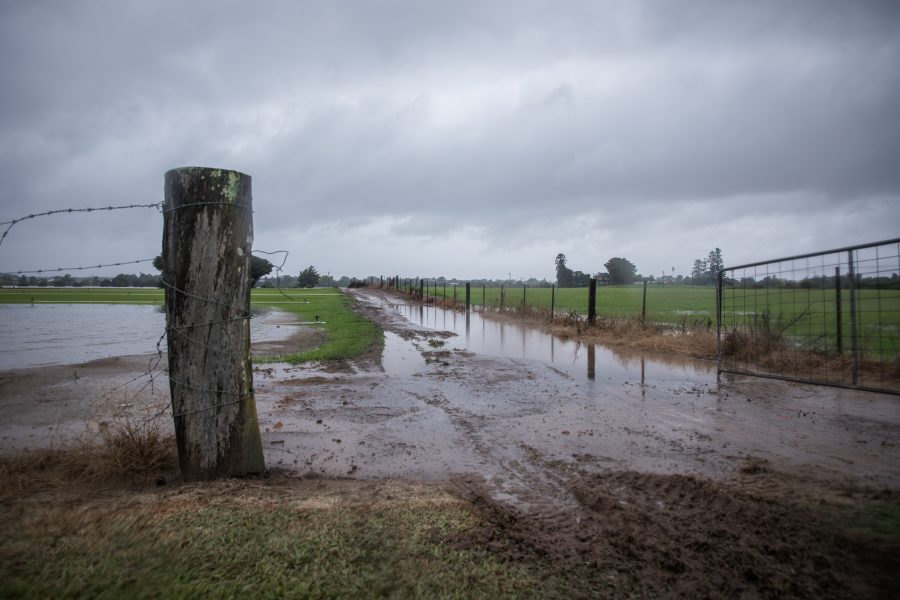
Rain may sweep away villages, cause floods, and lead to losses and loss of life, but it will pass, and people will forget. Then the land will turn green, crops will grow, and people will benefit.
Earthquakes also affect buildings, causing loss of life and homes. But everyone will rebuild their homes, raise their roofs, and the sorrows will end. But administrative corruption, financial corruption, political corrupti