
Comoros is a three island nation in the Indian Ocean, between Mozambique and Madagascar, with Moroni as the capital. The country is small in land area, about 1,862 square kilometers, a scale that shapes daily life in practical ways, from transport costs to how quickly price changes are felt in markets.
For comparison, Comoros is roughly one and a half times the combined area of Rabat, Salé and Skhirat Temara. On Grande Comore, the main island, the landscape is volcanic. Mount Karthala, an active volcano, rises about 2,361 meters above sea level and dominates the island’s interior.
Comoros declared independence from France in 1975. A year earlier, Mayotte, one of the islands in the archipelago, voted to remain under French administration, a status dispute that continues to shape Comorian politics and identity, affecting residency status, access to services, schooling options and work opportunities, and it often shows up inside families with relatives living under different legal regimes across the same island chain.

The country’s currency is the Comorian franc, issued by the Central Bank of the Comoros. It is pegged to the euro at a fixed rate of 1 euro to 491.96775 francs. In practical terms, that pegs monetary stability to a European anchor while daily purchasing power remains exposed to imported goods costs in a small island economy.
On basic economic measures, the World Bank lists Comoros’ 2024 gross domestic product at about $1.44 billion, with GDP per capita around $1,663. Remittances are a central pillar at about 19.6% of GDP in 2024, making overseas earnings a routine part of household budgeting and local investment.
Poverty remains widespread. The World Bank’s poverty headcount at $3 a day (2021 purchasing power parity) is listed at 31.4%, with the most recent entry for that indicator dating to 2014, a reminder that data often lags in small states.
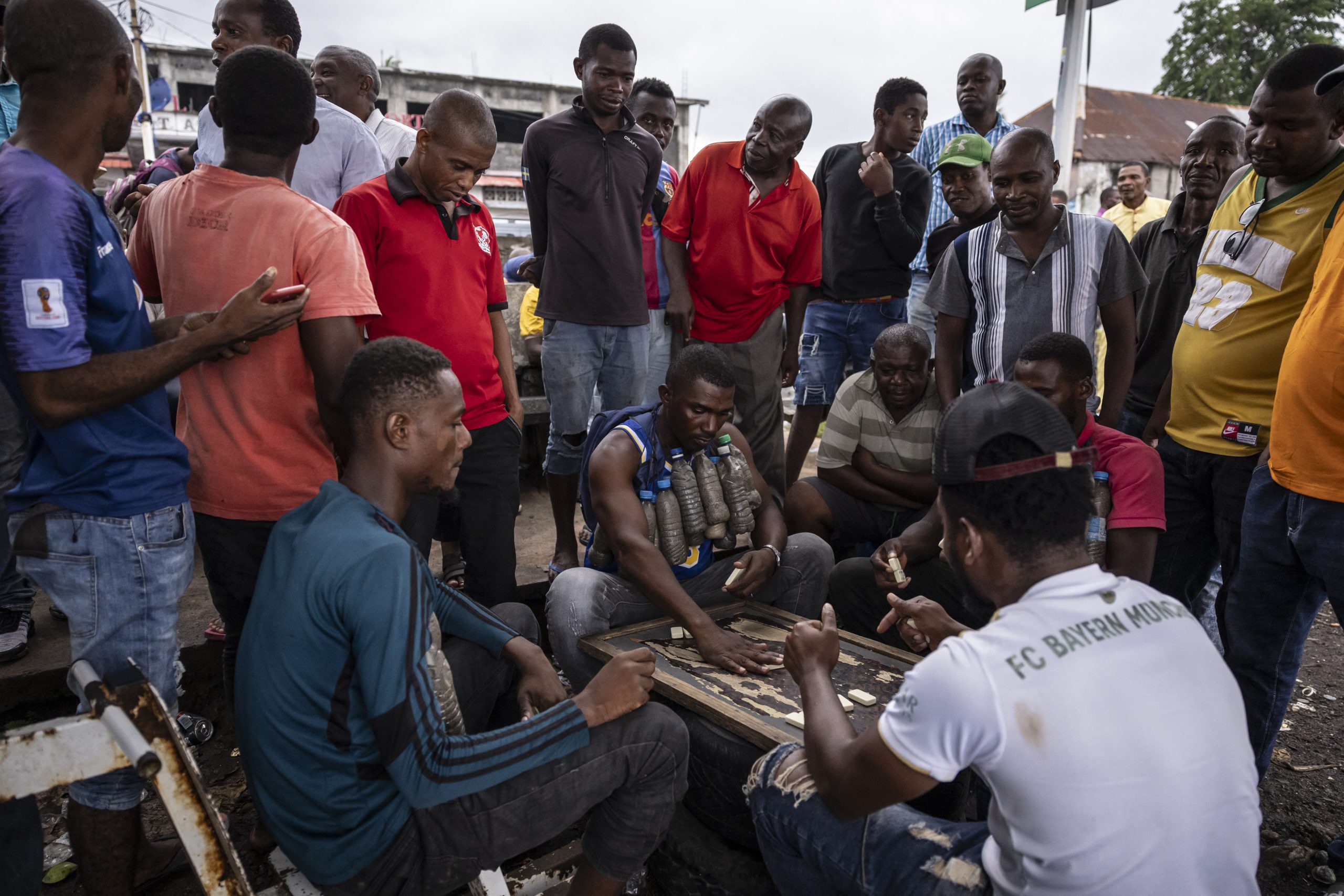
On broader global measures, the United Nations Development Programme’s Human Development Index tables place Comoros at 152 with an index value of 0.603. Population is listed at 866,628 in 2024. Life expectancy is about 67 years, based on 2023 estimates.
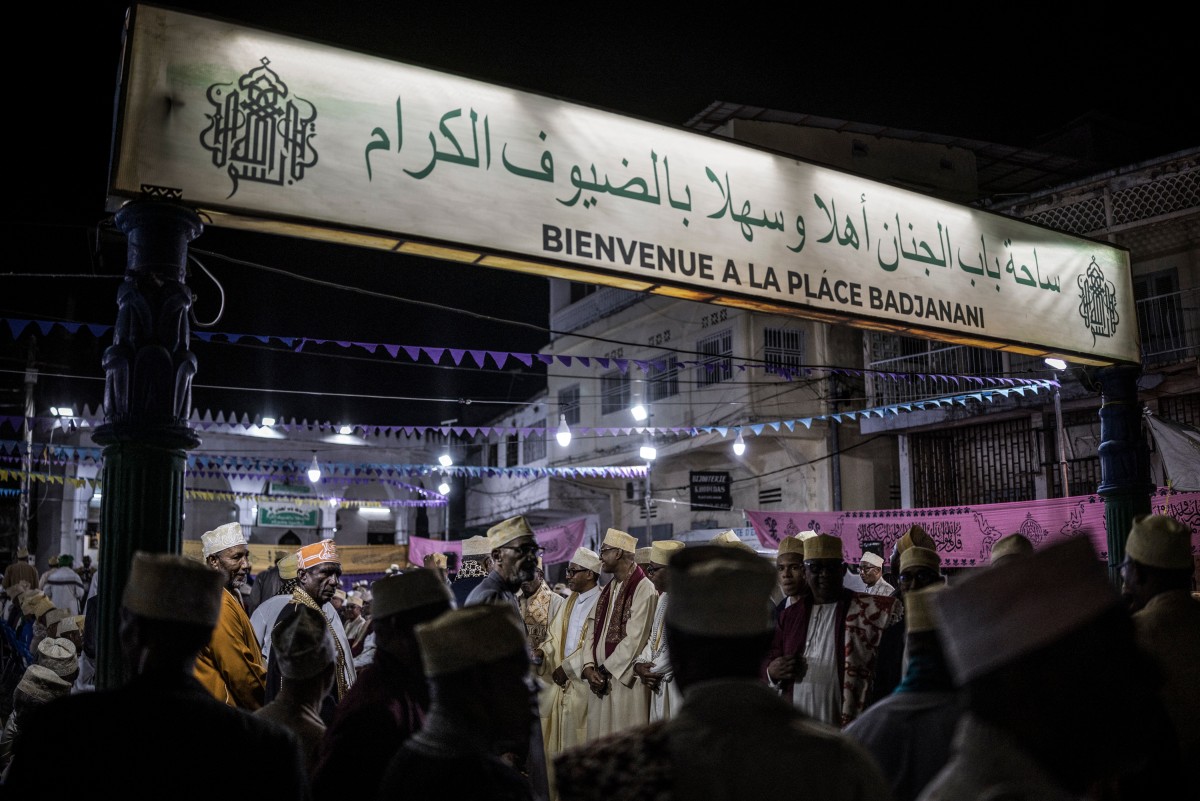
For Moroccan fans, familiar reference points begin with religion and language. Islam is the state religion and most Comorians are Sunni Muslims, according to U.S. government estimates.
The official languages are Shikomori, French and Arabic. In daily life, that mix often reflects where people are speaking, at home, in school or in administration.
Comoros is also known through agriculture that ties rural work to export markets. The islands are a major producer of ylang ylang used in perfumery, alongside vanilla and cloves.
Those crops shape seasonal labor and household income, while import dependence makes food and fuel costs sensitive to transport and currency conditions.
Social life is structured around community obligations. The grand marriage, often staged years after a religious marriage, is widely described as a major status marker, bringing together public processions, formal dress, music, feasting and extensive gifting.
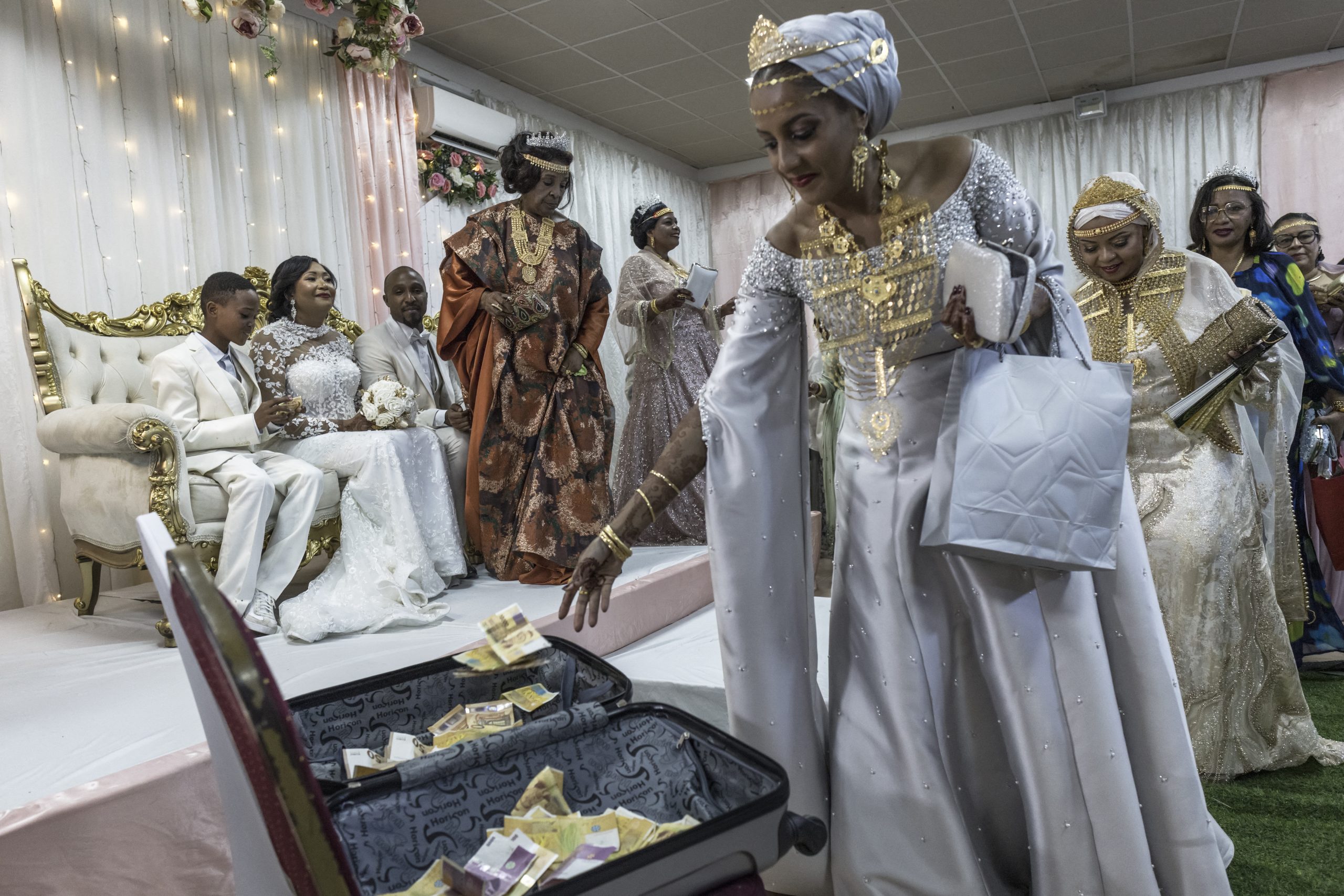
The diaspora plays into that system through remittances that help families meet expensive social expectations.
Comorian identity is also visible through the diaspora in France. One of the best known mainstream figures with Comorian family roots is the Marseille born rapper and singer Soprano.
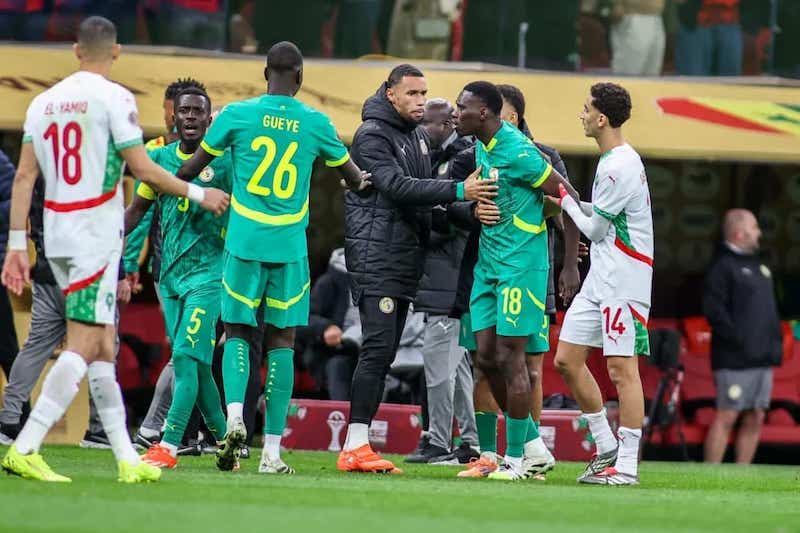
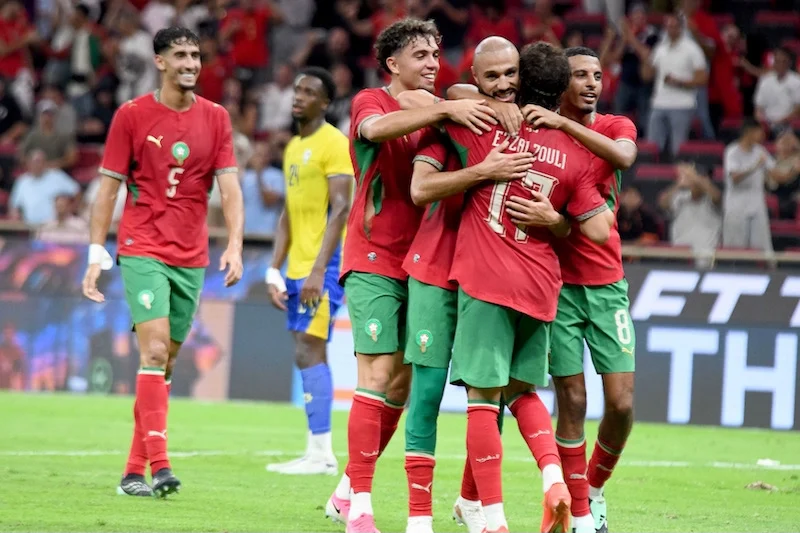
In football, the national team is nicknamed the Coelacanths, a reference to the ancient fish associated with the region.
The team’s recent rise has made Comoros a more familiar name on the AFCON stage, even for fans hearing about the country for the first time.





add your comment
Terms of publication : Not to offend the writer, people, sacred things, or attack religions or the divine self, and refrain from racist incitement and insults.