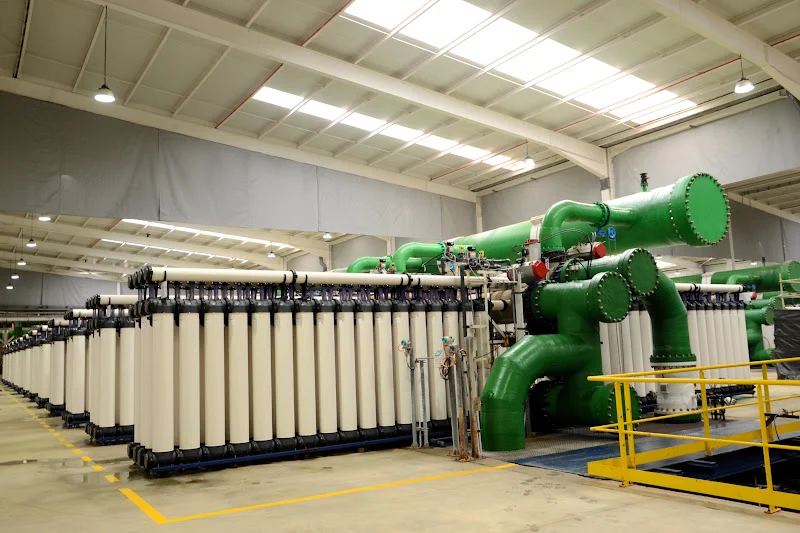
Morocco aims to secure 60 percent of its water needs by 2030 through an ambitious investment program exceeding 10 billion dollars, driven entirely by renewable energy, according to a new report by the China Africa Industrial Research Institute.
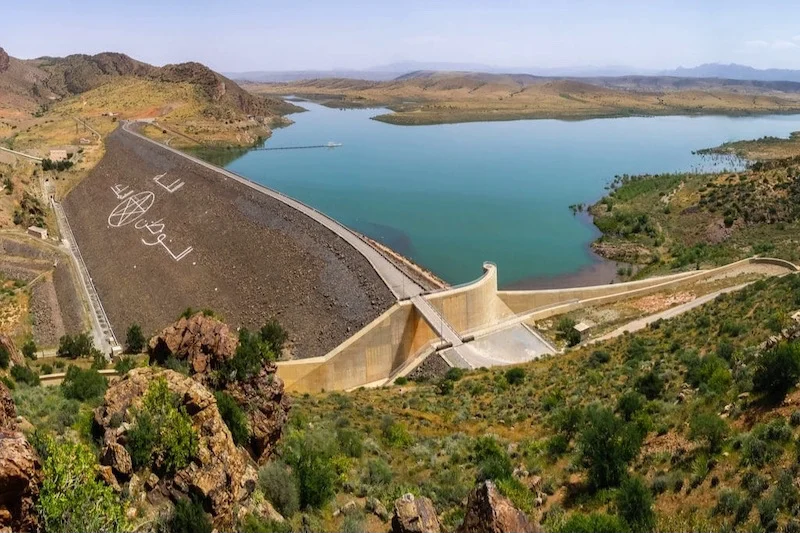
The report notes that prolonged drought since 2017 has sharply reduced groundwater levels, forcing authorities to curb water intensive crops while urban growth and tourism continue to push drinking water demand up by 4 to 5 percent annually. To respond, Morocco has launched one of North Africa’s most expansive desalination strategies.
Seventeen desalination plants are currently operating with a combined annual capacity of 345 million cubic meters, alongside four under construction, including a flagship Casablanca project expected before 2027. The government plans at least nine additional plants to reach 1.7 billion cubic meters by 2030.
Large scale projects rely on renewable energy, including floating solar panels that reduce reservoir evaporation. Despite financing and environmental challenges, the report says Morocco is positioning itself as a global model for climate adaptation and water resilience.








add your comment
Terms of publication : Not to offend the writer, people, sacred things, or attack religions or the divine self, and refrain from racist incitement and insults.