
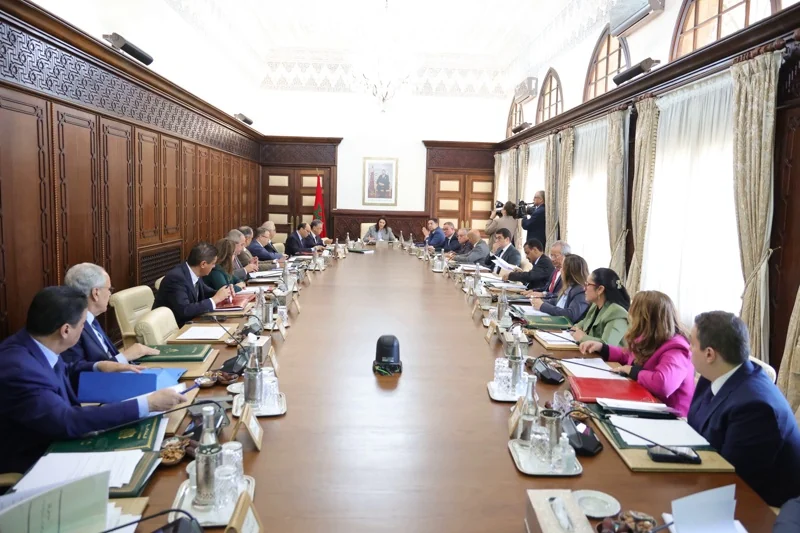
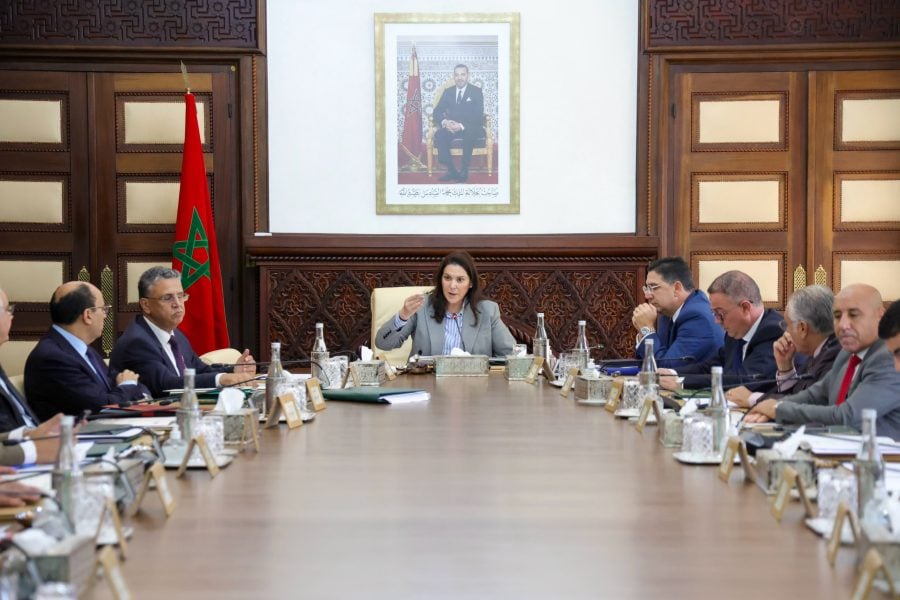
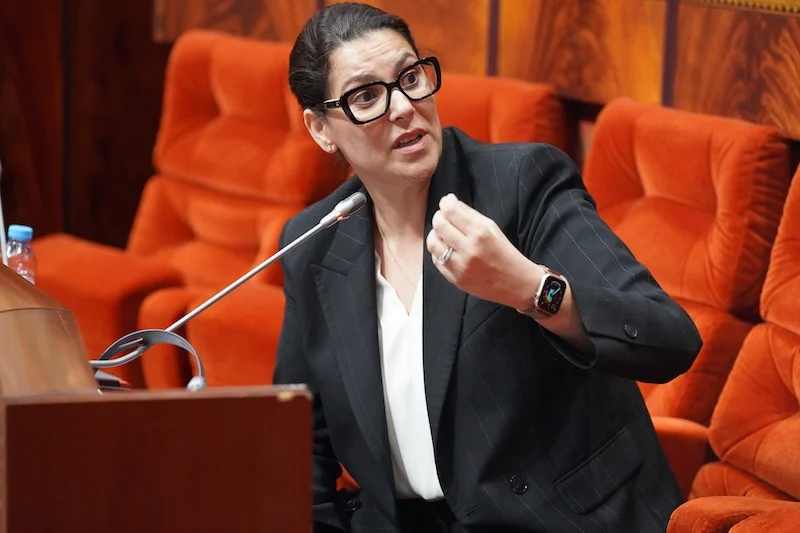
The Moroccan government approved a draft law, Bill No. 54.23, which amends and supplements Law No. 65.00regarding mandatory basic health insurance. The bill, presented by Amine Tehrani, Minister of Health and Social Protection, aims to unify the management of Morocco’s mandatory health insurance systems under one body.
The draft law, according to the government, aligns with Article 15 of Framework Law No. 09.21, which mandates the establishment of a unified entity to oversee the management of health insurance systems. As part of this reform, the National Social Security Fund (CNSS) will take over the management of the public sector’s mandatory health insurance, replacing the National Fund for Social Welfare Organizations (CNOPS), which previously handled it.
Furthermore, the bill proposes the cancellation of the mandatory health insurance system for students, as it is no longer deemed necessary given the broader rollout of health insurance coverage across the country. The majority of Moroccan students are now eligible for coverage through their rights under the national health insurance system.
Government Official Explains the Reform
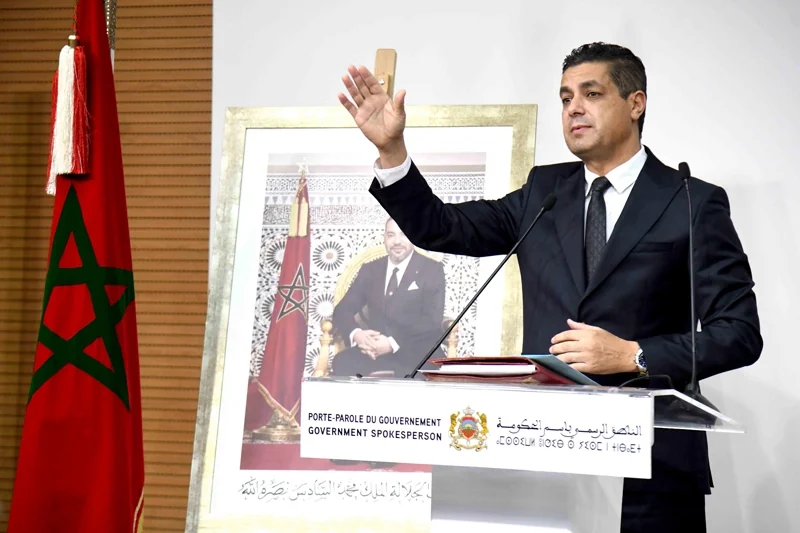
Mustapha Baitas, the government spokesperson, clarified that the approval of this bill is not a new government initiative but rather a direct implementation of Article 15 of the aforementioned framework law. He stated that the government is ensuring a smooth transition for employees currently under welfare organizations, automatically transferring them to the National Social Security Fund (CNSS).
Baitas also emphasized the importance of distinguishing between genuine reforms and missteps, acknowledging that such reforms naturally lead to discussions. He noted, “The goal is to implement changes that serve the country’s development, not to favor one group over another.”
On the Lawyers’ Strike and the Proposed Strike Law
Baitas briefly addressed the ongoing open-ended strike by lawyers, which began last Friday, mentioning that the Minister of Justice has expressed readiness to engage in dialogue with the Moroccan Bar Association. However, he did not delve deeper into specifics, only reiterating the government’s desire to implement reforms that benefit Morocco’s broader growth and not any one side.
Regarding the draft law on strikes, which has been sitting in the Moroccan Parliament for nine years, Baitas questioned whether it should be left to linger for another nine years or if it should be actively debated and moved forward.
Progress in Earthquake Reconstruction Efforts
In a separate development, Baitas defended the government’s efforts in the reconstruction of areas affected by the devastating earthquake last year. He highlighted that the government has been fully mobilized to ensure the successful rebuilding of the affected regions, with projects progressing in key sectors such as infrastructure, education, health, dams, roads, and access to clean water.
Baitas revealed that the government has already spent 9.5 billion dirhams to support affected families, and 63,766 families have received monthly financial assistance of 2,500 dirhams. The aid program has been extended for another five months, amounting to an additional 750 million dirhams, to help families complete the rebuilding of their homes.
Furthermore, 51,938 families received assistance to rehabilitate homes deemed uninhabitable, amounting to 1.775 billion dirhams, distributed in four installments. In total, the government has allocated 4.74 billion dirhams in aid as of October 25.
Baitas concluded by stressing the complexity and scale of the reconstruction effort, stating that the government is closely monitoring the process to ensure that the funds are used effectively and that the people affected receive the necessary support. The program, he said, is vital both in terms of cost and its impact on the ground.

add your comment
Terms of publication : Not to offend the writer, people, sacred things, or attack religions or the divine self, and refrain from racist incitement and insults.