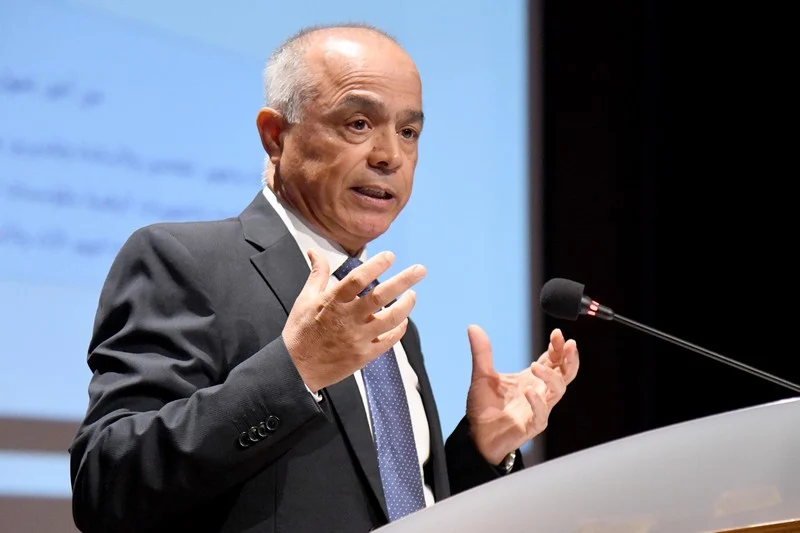
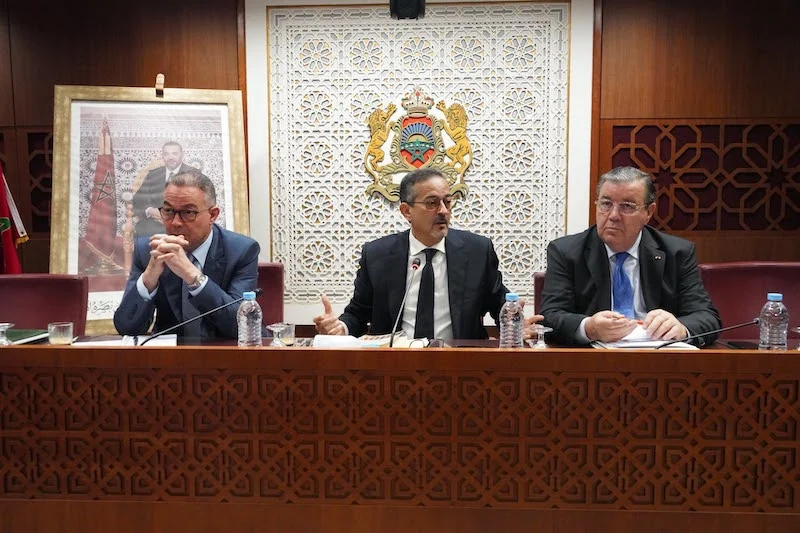
Chakib Benmoussa, Morocco’s Minister of National Education, Primary Education, and Sports, acknowledged on Friday that the reconstruction of educational institutions in areas affected by recent earthquakes has been slower than anticipated. Speaking at a press conference marking the start of the new school year, Benmoussa assured that efforts to rehabilitate schools are progressing and that the pace of reconstruction “will increase week by week.”
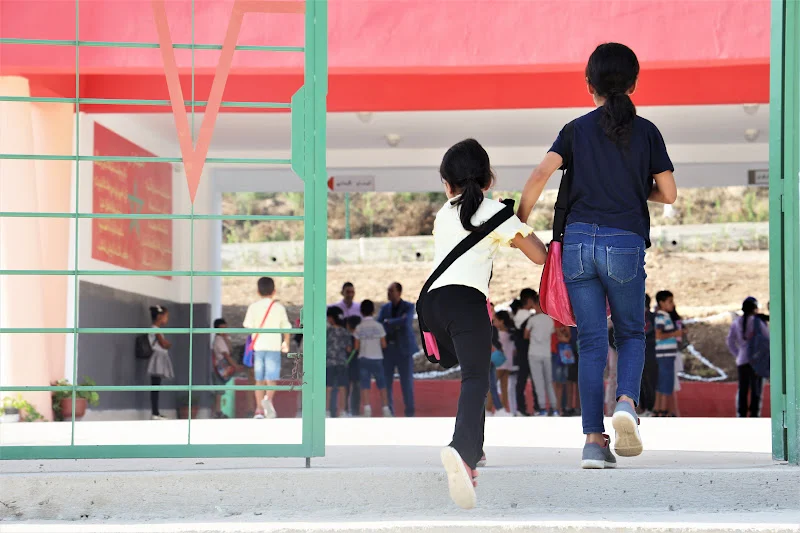
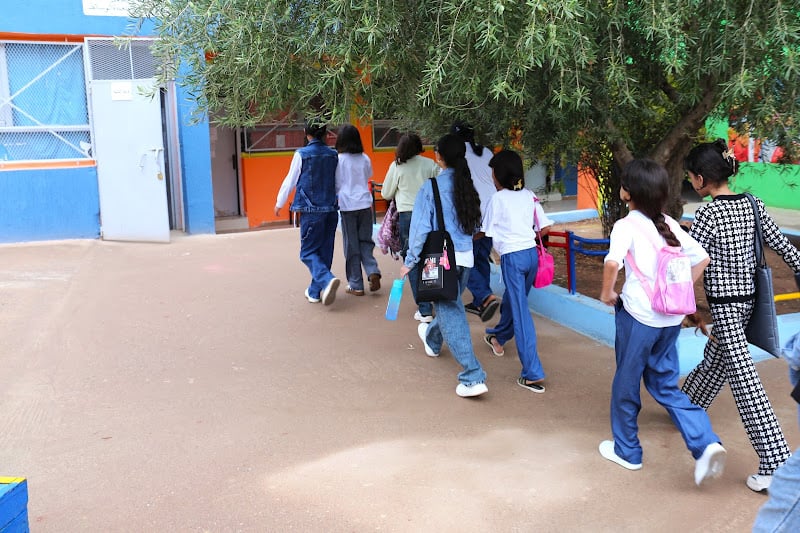
The Minister addressed concerns about the delayed reopening of approximately 1,287 schools in the earthquake-affected regions. He explained that while the process is taking longer than expected, the ministry has not waited until the end of the year to begin work. Ongoing rehabilitation efforts are underway, allowing students to return to schools where construction is either partially or fully completed.
Benmoussa noted that the management of these rehabilitation projects was challenging due to the potential disruption of other educational tasks. He projected that it would take several months to return to normalcy in the affected areas.
“The goal has been to move students out of temporary learning environments, such as tents, except in a few villages in Chichaoua where 90 tents remain in use,” Benmoussa said. “No students are currently studying outside their regions or living in dormitories far from their families.” Despite efforts to improve conditions, Benmoussa admitted that initial measures were insufficient.
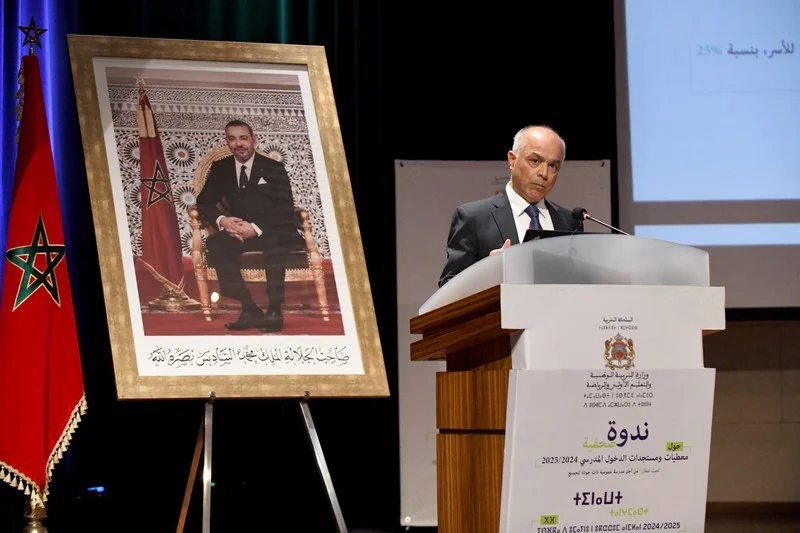
The government has allocated 3.5 billion dirhams to address the educational impact of the earthquake. Benmoussa also highlighted that approximately 19,000 educational and administrative staff—about 30 percent of the total workforce—participated in the census process conducted by the High Commission for Planning. This involvement was praised for its positive impact on the data collection effort.
Regarding the use of electronic boards for field data collection, Benmoussa stated that these boards, funded by the Ministry, will eventually be returned to regional directorates and used in classrooms to support language learning.
Addressing concerns about the absence of statistics teachers during the data collection period, Benmoussa reassured that the impact on classroom instruction was minimal. He emphasized that the Ministry’s total teaching staff is 280,000, and the participation of 17,000 teachers in the census process did not significantly affect educational activities.
On the topic of teaching Amazigh in private schools, Benmoussa outlined a plan to pilot the initiative, following feedback from private education representatives. He emphasized that Amazigh is a crucial part of Moroccan identity and that its inclusion in education should be approached with a collaborative effort involving parents and students.
“The educational process cannot be coerced but must involve the participation of students and institutions to achieve positive results year after year,” he concluded.



add your comment
Terms of publication : Not to offend the writer, people, sacred things, or attack religions or the divine self, and refrain from racist incitement and insults.