
Morocco stands as a global powerhouse in the phosphate industry, holding an unrivaled 70% of the world’s total phosphate reserves, according to a report by World Population Review.
This vast wealth, estimated at around 50 billion metric tons, positions the North African nation as a key player in global food security and agricultural practices.
Venturing beyond Morocco, North Africa continues to dominate the phosphate landscape. Egypt emerges as the second-largest holder, boasting reserves of 2.8 billion metric tons, surpassing Tunisia (2.5 billion) and Algeria (2.2 billion).
South Africa also joins the phosphate elite with reserves estimated at 1.6 billion metric tons. The African continent boasts additional phosphate producers such as Togo and Senegal.
Venturing beyond Africa, China emerges as a significant phosphate player with reserves of 1.9 billion metric tons. Brazil (1.6 billion), Saudi Arabia (1.4 billion), Australia (1.1 billion), and Jordan (1 billion) complete the global picture of major phosphate reserves.
Phosphate, a crucial component of fertilizers, plays an essential role in plant growth and, ultimately, food production.
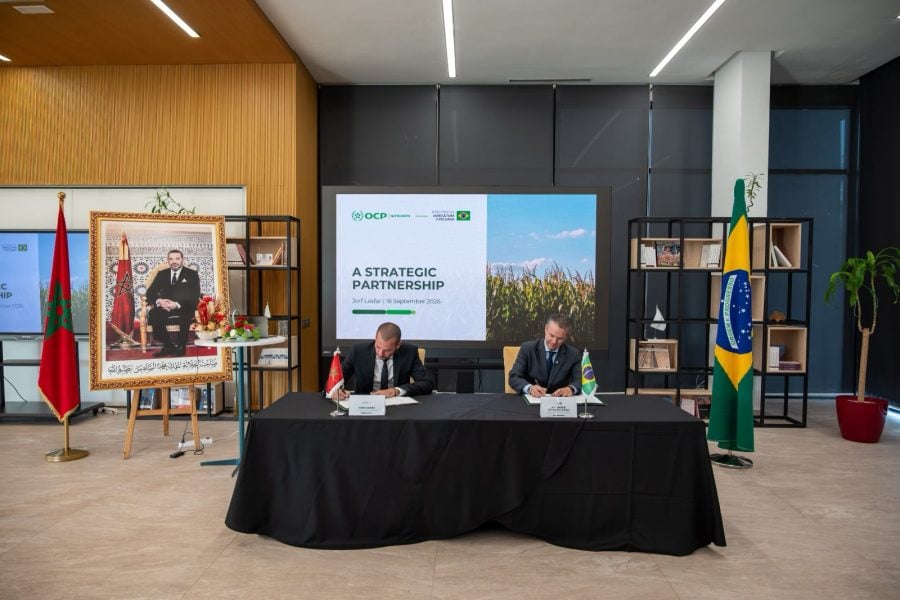
According to the report, Morocco’s immense phosphate reserves make it a cornerstone of global food security. The country’s state-owned phosphate mining company, OCP Group, is a major force in the fertilizer market, particularly across Africa.
However, the story of phosphate reserves extends beyond mere quantities. Access to these riches can be a complex issue.
The Western Sahara, for instance, is known to be rich in phosphate, but its political status creates challenges for stakeholders involved.
Geology also plays a critical role. The natural processes that create phosphate deposits, like mineralization and sedimentation, take millions of years.
Possessing these resources within a country’s borders is only half the battle. A country also needs the technological capability to efficiently extract the phosphate. Add to that that stricter environmental regulations can limit mining activities, impacting a country’s ability to use its reserves.
Beyond geology and technology, the report notes the geopolitical considerations that come into play. Countries with phosphate reserves in contested regions may face difficulties accessing or exploiting those resources.
International relations can significantly impact how a nation benefits from its phosphate wealth.





add your comment
Terms of publication : Not to offend the writer, people, sacred things, or attack religions or the divine self, and refrain from racist incitement and insults.