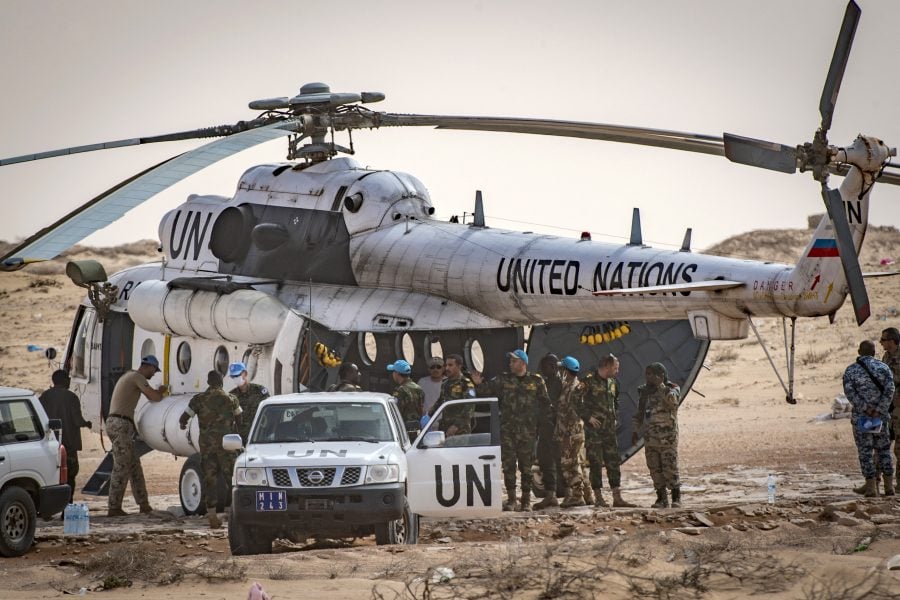
The withdrawal of MINURSO from the Moroccan Sahara raises questions about the future of the buffer zone east of Morocco’s security wall, which the Polisario Front has used to launch attacks against.
The buffer zone is a five-kilometer-wide strip east of the security wall. Its rules are set out in Military Agreement No. 1, signed between the UN and the Polisario Front on December 24, 1997, and between MINURSO and Morocco on January 22, 1998.
The agreement bans military forces and equipment from entering the zone by land or air. It also bans firing within or over the buffer zone, a rule the Polisario Front has violated several times.
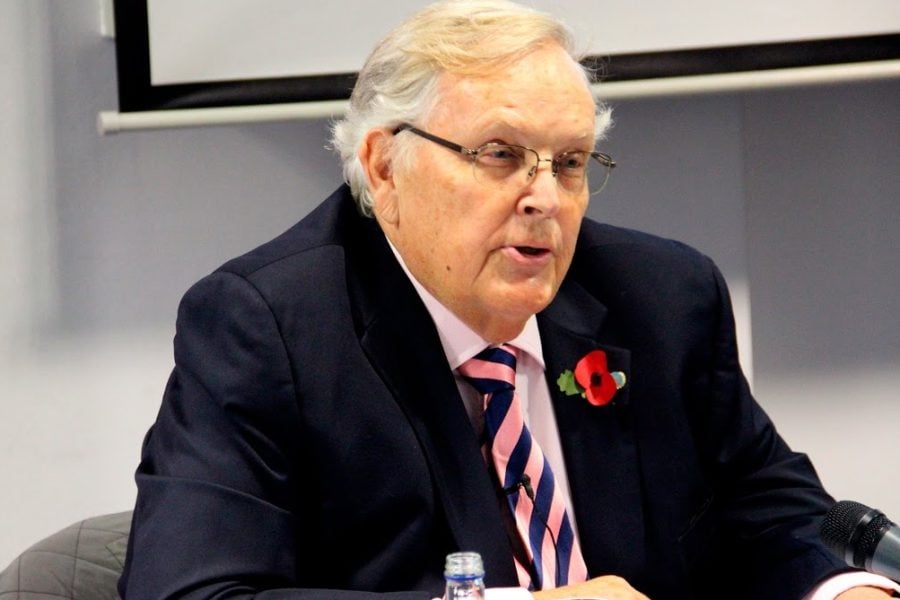
Sahrawi affairs researcher Rahal Salek told Hespress AR the Polisario declared itself no longer bound by Military Agreement No. 1 after the November 2020 events at the Guerguerat crossing.
He said the UN Security Council and the secretary-general describe the current situation as hostilities, not a full-scale war, as it involves scattered clashes on the ground.
With MINURSO and its equipment set to leave, Salek said it is difficult to predict what would happen on the ground, especially as the Polisario continues to claim it is at war and reject UN calls to stop its provocations.
The expert expects Morocco would not stand by if provocations continued or its cities were threatened, stressing that Morocco had the right to defend itself and protect civilians from projectiles.
He also said the Polisario had been advised not to rush into military action that could serve regional interests and draw it into a proxy conflict.
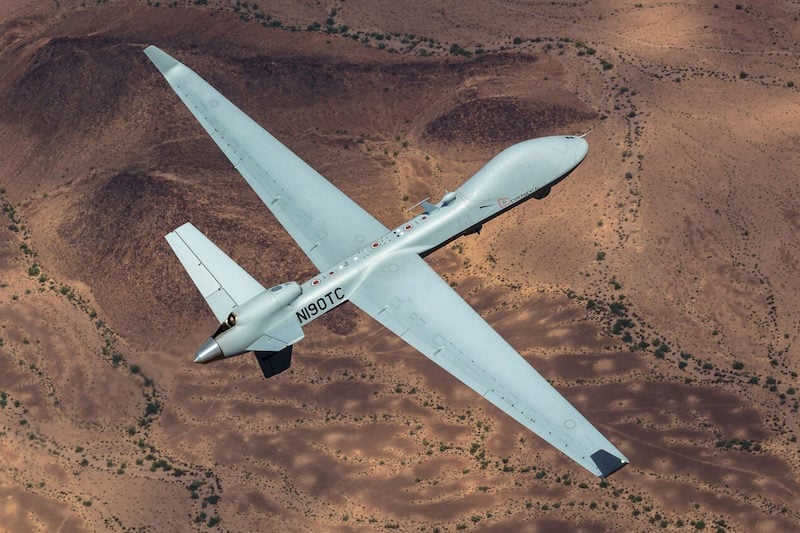
Salek noted that Morocco has advanced military technology that gives it a clear advantage.
He added that the Polisario does not make its own decisions but follows Algeria’s orders, while Algiers uses the issue as leverage in its regional geostrategic conflict with Morocco.
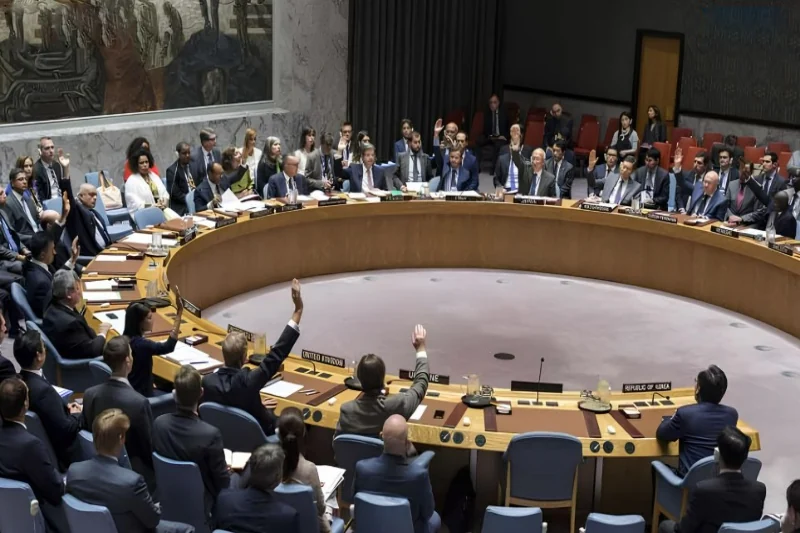
Ramadan Massoud Al Arabi, a member of the Royal Advisory Council for Saharan Affairs (CORCAS), emphasized that Russia’s veto marked the political end of the Polisario Front, as the group hadn’t anticipated such a move.
He told Hespress AR that the Polisario Front and Algeria’s rejection of Morocco’s autonomy plan, which has gained support from many countries, gives Morocco an opportunity to regain control of areas such as Tifariti and Bir Lehlou.
Massoud Al Arabi added that if Polisario members remain in Algeria, any attacks they carry out would come from its territory, making Algeria directly responsible before the international community for any actions against Morocco.


add your comment
Terms of publication : Not to offend the writer, people, sacred things, or attack religions or the divine self, and refrain from racist incitement and insults.