The Feminine Coordination for the Moudawana reform has published its recommendations and warned of the principles on which the next Family Code must be based.
The coordination insisted on taking into account “structural and social changes that Moroccan families have undergone, in guaranteeing the principle of equity and non gender discriminatory.”
29 signatory associations joined the Coordination in expressing their appreciation for the Commission’s work and for its adoption of the participatory approach through listening and proposal preparation sessions, and the accompanying community debate.
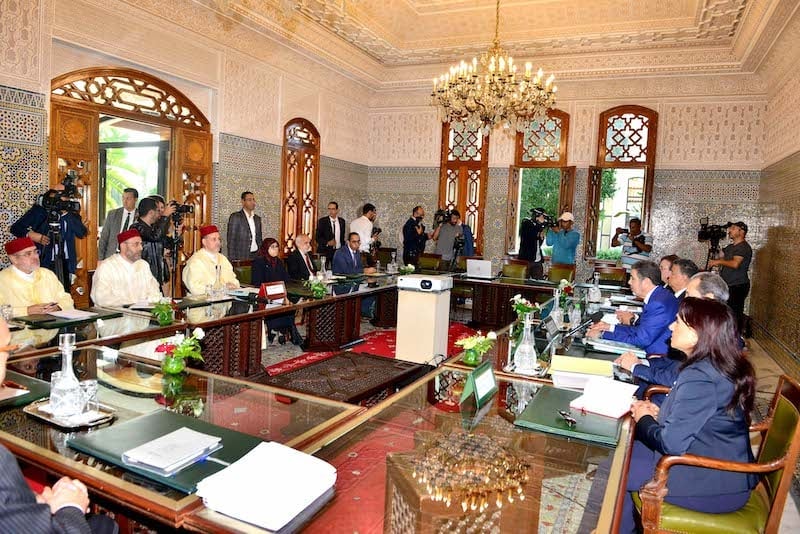
The Commission, which includes the Ministry of Justice, the Supreme Council of the Judiciary, the National Council for Human Rights and the Ministry of the Family, has received input from a wide range of stakeholders, including civil society associations, political parties, trade unions, activists, experts including judges, practitioners and university researchers.
In anticipation of the draft law to be submitted to the legislature, she has made a point of expressing her position and expectations on this subject, which is the subject of national debate. First and foremost, it calls for “consideration to be given to the economic and social changes that have affected Moroccan families and shaped their new structure”.
This involves taking into account the new role of women and men within the family structure, the status of each individual within the family, their relationship to development and productive work, while recalling the “specific role” played by women, with a view to guaranteeing parity and the right to decent work for all.
The Coordination stresses the need to take into account the harmony between national laws and Morocco’s international obligations, and the aspiration of public policies and programs to achieve a social project in which men, women and children alike enjoy their full rights in an equitable manner.
Finally, the coordination points to the need to reconsider the philosophy on which the future legal text should be based. This should be done, according to the same source, by guaranteeing respect for the principle of gender equality in all its requirements, abolishing discrimination in rights and responsibilities, and breaking with the concept of “guardianship” instituted by the 2004 Family Code.
The Coordination believes that several areas need to be reconsidered, including polygamy, the marriage of young girls (minors), the limitation of legal guardianship of children to the father and not the mother, and discrimination in inheritance, “which does not guarantee women’s right to family wealth in a fair manner”, claiming that this “undermines the principle of equity and human rights of women and children, and discriminates against a large part of the Moroccan population.”







add your comment
Terms of publication : Not to offend the writer, people, sacred things, or attack religions or the divine self, and refrain from racist incitement and insults.