By completing two gender-sensitive evaluations of climate change risks in the Tangier-Tetouan-Al-Hoceima region in Morocco and Kotor Bay in Montenegro, the United Nations Environment Program (UNEP) shed light on how gender inequalities worsen vulnerabilities in the Mediterranean context.
In honor of International Women’s Day, the UN organization highlighted four key assessment results that decision-makers and experts in climate adaptation should take into consideration as they decide how to approach climate change in the area.
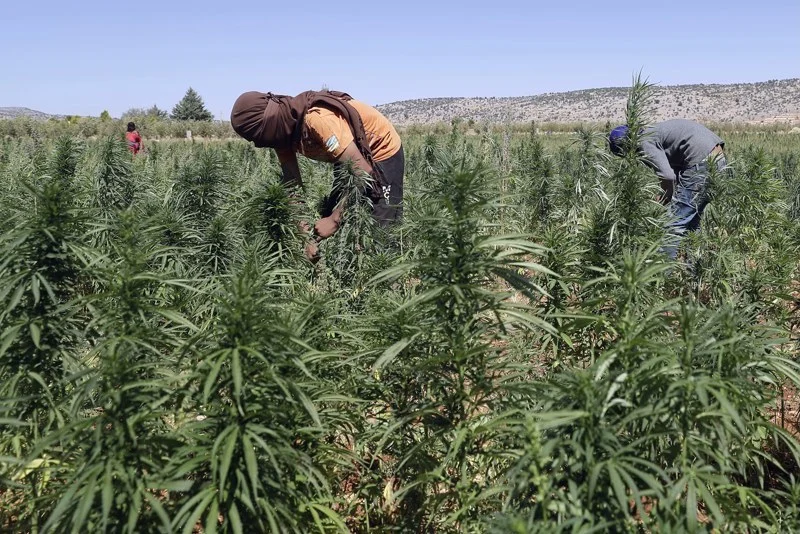
- Vulnerability peaks among rural women
This first key point is crucial because it speaks to the vulnerable position of women in rural areas, who are more severely impacted by catastrophic weather occurrences than other residents of coastal communities.
These women who reside in Mediterranean regions have limited access to natural resources and livestock, “which in turn hobbles their ability to respond to climate-induced stress and shocks with the necessary nimbleness,” noted UNEP.
Rural women face pressures that are outside the scope of their capacity for adaptation, in addition to being impacted by slow-onset climate change consequences and being dependent on ecosystem services that are susceptible to disturbance.
Agricultural failures brought on by irregular rainfall patterns and declining fish stocks endanger livelihoods and reduce revenue sources. When they are there, social safety nets are inadequate to handle the size and scope of disruptions caused by climate change, explained the same source.
- Businesswomen are more vulnerable than their male peers
This point emphasizes how particularly sensitive women-led businesses are to the effects of climate change in the tourism, fishing, and agricultural sectors.
The evaluations carried out in Morocco and Montenegro indicated a mix of inferior adaptive capacity as compared to other businesses and a susceptibility specific to the industries in which women operate.
Women-led enterprises tend to be more vulnerable to potential disruptions caused by the climate because they are smaller in size and lack access to funds and technology.
One example is the agribusiness industry. Inequalities in the Mediterranean’s structural land tenure are widespread and prevent women from investing in methods and technology that are climate resilient.
UNEP stated that “In business or in the management of household finances, women’s limited participation in decision-making processes means that their needs are not adequately represented, thus exacerbating their vulnerability. “
- Data gaps hinder gender-sensitive climate action
The development of the evaluations carried out in Montenegro and Morocco brought to light the requirement for more regular production of local and national gender-integrated data.
For instance, it is crucial to increase the accessibility and caliber of sex-disaggregated socioeconomic and environmental statistics when developing gender-sensitive, site- and context-specific climate action, declared the UN body.
It explained that “There is also a need for a higher level of granularity in understanding the local gender settings through social science tools. Women may not have the same capacity to rapidly react to climate emergencies as men, due to societal restrictions and gender roles, and are thus at greater risk of injury and death. Climate action that is gender-sensitive can save lives and livelihoods.”
- Both vulnerability and coping skills must be considered
Women and men may perceive the need for adaptive action differently despite being exposed to the same risks, depending on the resources and options they have at their disposal.
To manage climate risk in a way that is efficient, inclusive, and equitable, it is essential to take a gender-differentiated approach.
According to the same source, climate risk management frameworks must take into account women’s contributions as managers of households or leaders in addition to their varying levels of vulnerability.
“Women must be empowered to fulfill their potential as agents of change in climate adaptation. Empowered women can use their skills to bolster community-based adaptation in several ways, including by taking up climate-resilient practices as early adopters, deploying coping skills, climate-proofing household budgets, and acting as message-multipliers and first responders to climate-induced disasters within their communities,” concluded UNEP.



add your comment
Terms of publication : Not to offend the writer, people, sacred things, or attack religions or the divine self, and refrain from racist incitement and insults.