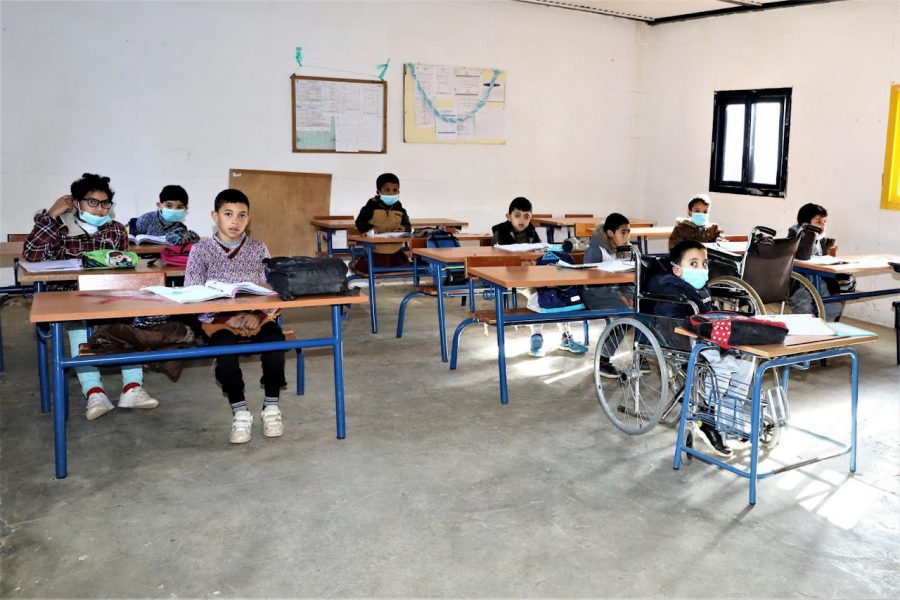
Only one in six countries are expected to achieve Sustainable Development Goal 4, which guarantees universal access to quality education by 2030, if no measures are taken, warns a new UNESCO report.
According to estimates, nearly 84 million children and young people will still not be in school by the end of the decade, according to the document released Thursday by the UN agency.
A week after UNESCO Director-General Audrey Azoulay’s call during the pre-summit on the transformation of education held in Paris, the new UNESCO report comes as a harsh reminder of reality for political leaders and representatives of civil society says the UN organization in a statement.
According to the report, which is based on data provided by nine out of 10 UNESCO member states, countries are forecasting an increase in the percentage of students with basic reading skills at the end of elementary school, from 51 percent in 2015 to 67 percent in 2030.
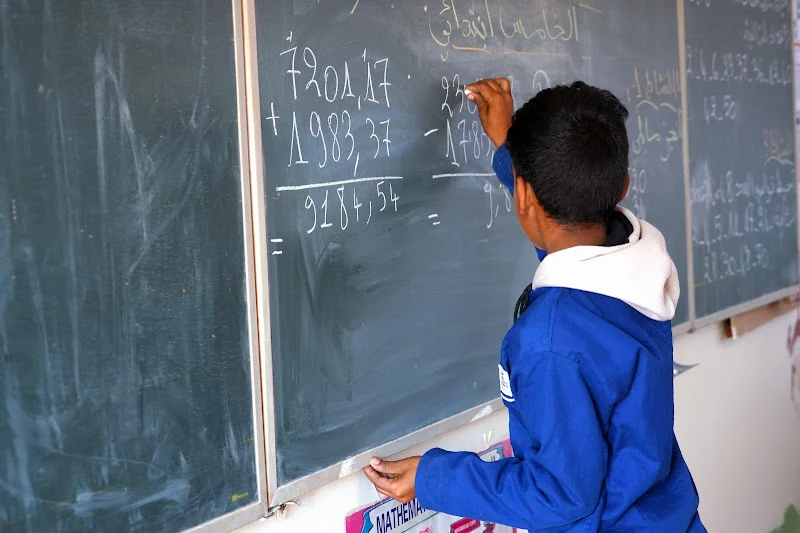
Despite this progress, it is estimated that nearly 300 million children and youth will still lack the basic numeracy and literacy skills to succeed in life.
Moreover, despite the promise of achieving universal secondary school completion, only one in six countries plans to achieve this goal by 2030, and in sub-Saharan Africa only four in ten youth will complete secondary school.
“The majority of governments have established national benchmarks to measure progress: this is a sign of serious commitment. But the international community now has a responsibility to redouble its efforts by filling the remaining data gaps and prioritizing education financing.
This is the only way to address the needs identified and create a truly transformative compact,” said Stefania Giannini, UNESCO’s assistant director-general for education, quoted in the release.
The report calls for increased regional and international cooperation so that each country can learn from its peers to develop and implement solutions. The report is the largest-ever exercise in setting realistic ambitions for education by 2030. It compiles the findings of a five-year global process that allowed countries to set their own goals for ensuring “universal access to quality education,” notes UNESCO.






add your comment
Terms of publication : Not to offend the writer, people, sacred things, or attack religions or the divine self, and refrain from racist incitement and insults.