
Morocco plans to revise its Laboor Code in 2027 to regulate remote work, digital platform employment and part-time contracts, extending legal protections to forms of employment that have expanded faster than the country’s existing labour legislation.
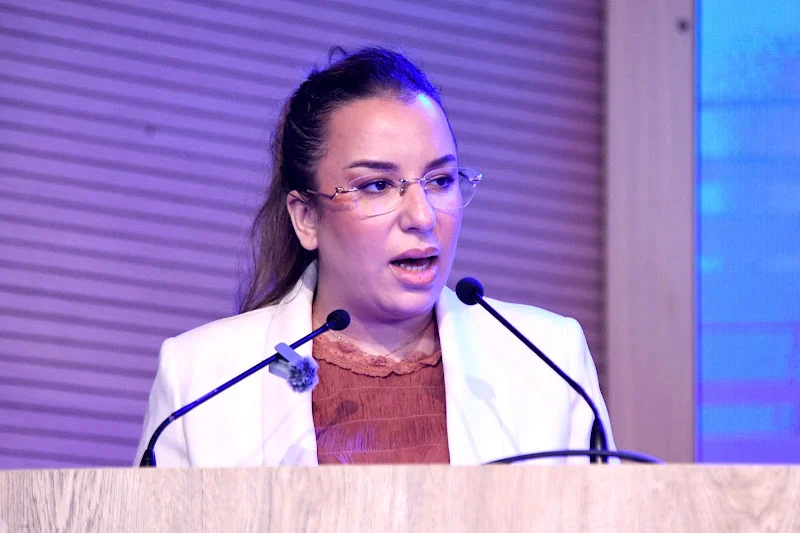
The proposed reform, outlined in the presentation note accompanying the 2027 Finance Bill, would form part of Fatima Zahra Mansouri’s efforts to improve employment conditions while making access to public employment subsidies conditional on employers respecting labour standards.
The changes would address questions increasingly confronting Moroccan workers and employers, including how employment relationships are established when people work remotely, who is responsible for social security contributions and how working hours and occupational protections apply to jobs arranged through digital platforms.
Morocco’s Labour Code, established under Law 65-99 in 2003, predates the widespread adoption of these employment models. Although general labour protections can apply to remote employees, the legislation does not establish a dedicated framework for teleworking or comprehensively address platform-based employment.
The proposed overhaul comes as Morocco struggles with persistent unemployment, particularly among younger workers. According to the High Commission for Planning, unemployment reached 13% in 2025, while the rate among people aged 15 to 24 rose to 37.2%. Underemployment also increased from 10.1% to 10.9%, underscoring the challenge of improving job quality alongside job creation.
The government plans to introduce a Decent Work Charter requiring companies receiving public employment subsidies to provide declared employment contracts, social security coverage from the first day of work and compliance with working-hour and occupational safety requirements.
Employers could also be required to address transport or accommodation difficulties where necessary.
A separate Model Employer Label would recognize companies meeting higher workplace standards and give them preferential access to public procurement contracts and government support. Under the proposed approach, public employment programmes would be assessed not only by the number of jobs created but also by their durability and working conditions.
The budget note also highlights changes to wages between 2021 and 2026, including increases of 34% in the minimum public-sector salary and 30% in average public-sector pay. Private-sector minimum wages rose by 21% outside agriculture and 27% in agriculture over the same period.
Official figures show that approximately 103,000 children aged seven to 17 were working in 2025, representing 1.3% of that age group.






add your comment
Terms of publication : Not to offend the writer, people, sacred things, or attack religions or the divine self, and refrain from racist incitement and insults.