
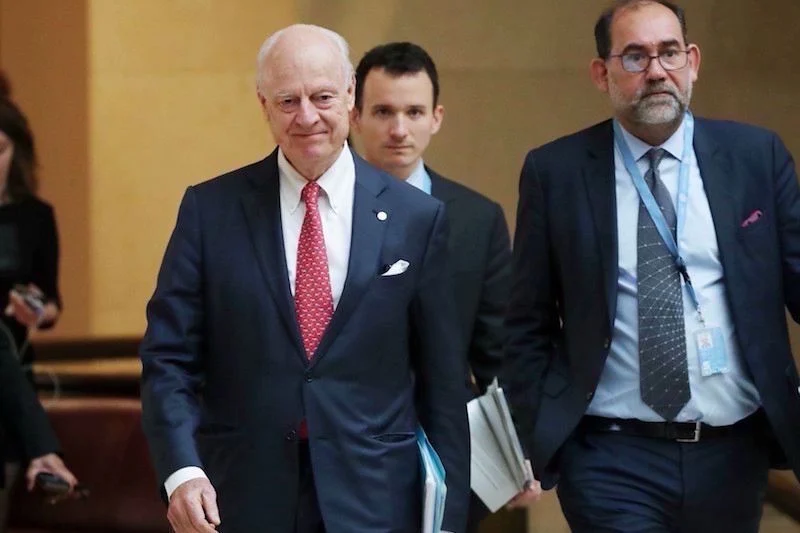
UN envoy Staffan de Mistura identified continued hostilities and deep mistrust between the parties as the two main obstacles to progress in the Western Sahara political process during closed Security Council consultations Thursday, a UN source told Hespress.
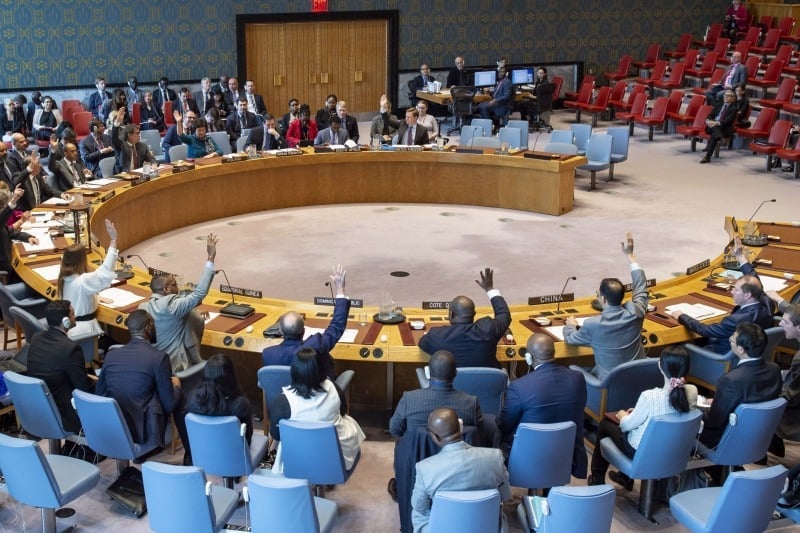
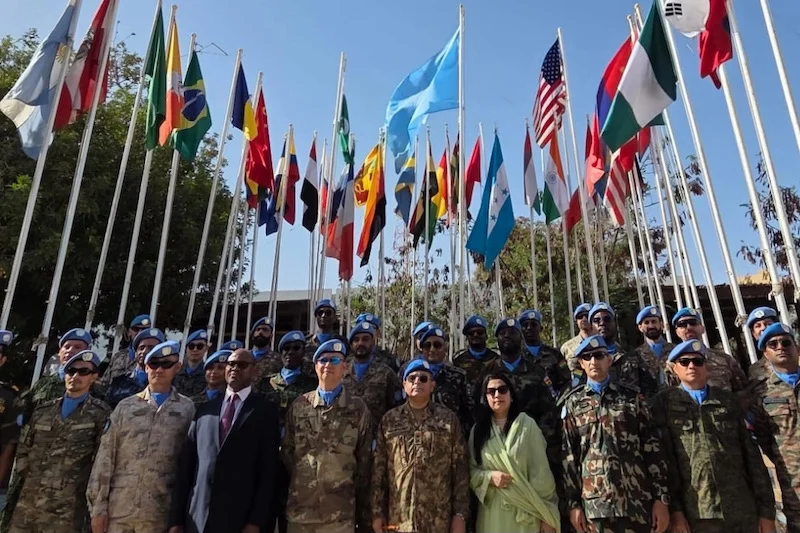
The Oct. 8 meeting brought de Mistura together with Alexander Ivanko, the UN Secretary-General’s special representative and head of MINURSO, to brief council members on both the political track and conditions on the ground. The Security Council’s official program confirms the closed MINURSO consultations took place Thursday afternoon.
According to the UN source, de Mistura presented members with documents summarizing his recent contacts with the parties and recommendations for moving negotiations forward as the council approaches an Oct. 31 decision on MINURSO’s mandate.
He pointed first to continued firing and the absence of a restored ceasefire, warning that recurring incidents continue to undermine stability. His second concern was the low level of trust between the parties, which he sees as limiting the possibility of converting renewed diplomacy into substantive negotiations.
Those concerns broadly mirror the UN’s latest assessment. Security Council Report said hostilities remain at a low-to-medium intensity and that, despite renewed meetings this year involving Morocco, Polisario, Algeria and Mauritania, the parties have yet to narrow their central differences.
The Oct. 1 Secretary-General’s report on the Sahara, S/2026/781, is now formally before the council ahead of the mandate vote.
Resolution 2797, adopted last October, renewed MINURSO for one year and called for negotiations taking Morocco’s autonomy proposal as a basis while seeking a mutually acceptable political solution.



add your comment
Terms of publication : Not to offend the writer, people, sacred things, or attack religions or the divine self, and refrain from racist incitement and insults.