
Morocco and the African Development Bank (AfDB) on Thursday concluded two loan agreements totaling 405 million euros, aimed at supporting human capital and modernizing Morocco’s rail infrastructure.
The first agreement, worth 205 million euros, will finance the Railway Infrastructure Support Project (PADIF). This operation will help strengthen the operational capacity of the Kenitra-Marrakesh railway line through the extension of the high-speed rail line (LGV) and the upgrading of existing infrastructure along this strategic route.
This will facilitate travel between the country’s major economic hubs and promote sustainable mobility and territorial connectivity, while strengthening Morocco’s logistical competitiveness.
The second agreement, worth 200 million euros, will finance the “Cap Compétences 2030” program, aimed at improving the quality of vocational training through the digitalization of services and enhanced labor-market inclusion mechanisms. The program will also facilitate access to diversified training opportunities and improve the professional integration of young people and women.
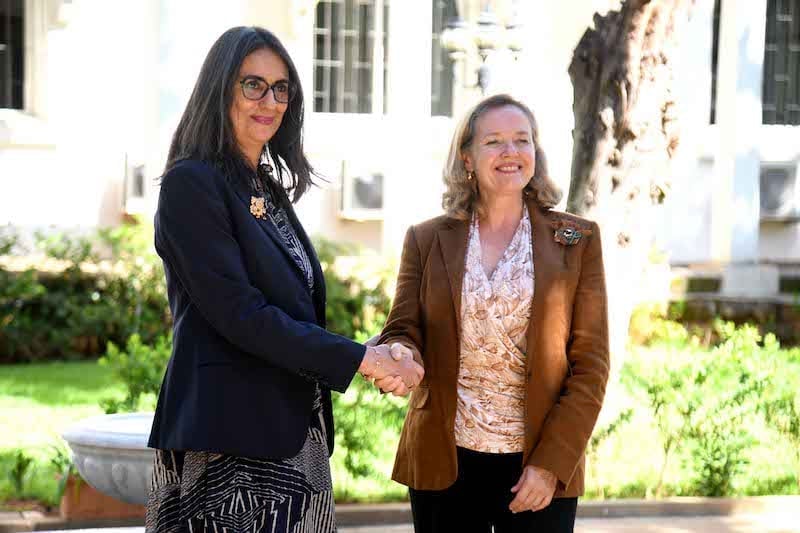
The two agreements were signed by Morocco’s Minister Delegate to the Minister of Economy and Finance, in charge of the Budget, Fouzi Lekjaa, and the AfDB Country Manager for Morocco.
The Moroccan official hailed the first agreement as a “source of pride” for Morocco, highlighting the exceptional relationship between the Kingdom and the AfDB. He said the second agreement addresses the priority of employment by mobilizing all the necessary means to make young people a genuine driver of value creation.
For his part, AfDB’s official stressed that the two agreements reflect the same ambition of preparing Morocco for the future, noting that skills development will require the extension of the LGV, which will contribute to creating opportunities, jobs and sustainable growth for the country. In the same vein, he described Morocco as a “reference” in Africa.
The AfDB’s strategic vision is aligned with Morocco’s priorities, as illustrated by these two operations, which reflect a shared commitment to developing human capital and modernizing the Kingdom’s infrastructure.
A long-standing partner of Morocco, this pan-African institution has mobilized more than 15 billion euros since 1978 to finance over 150 projects in key sectors, including human development, water, agriculture, energy and transport.





add your comment
Terms of publication : Not to offend the writer, people, sacred things, or attack religions or the divine self, and refrain from racist incitement and insults.