
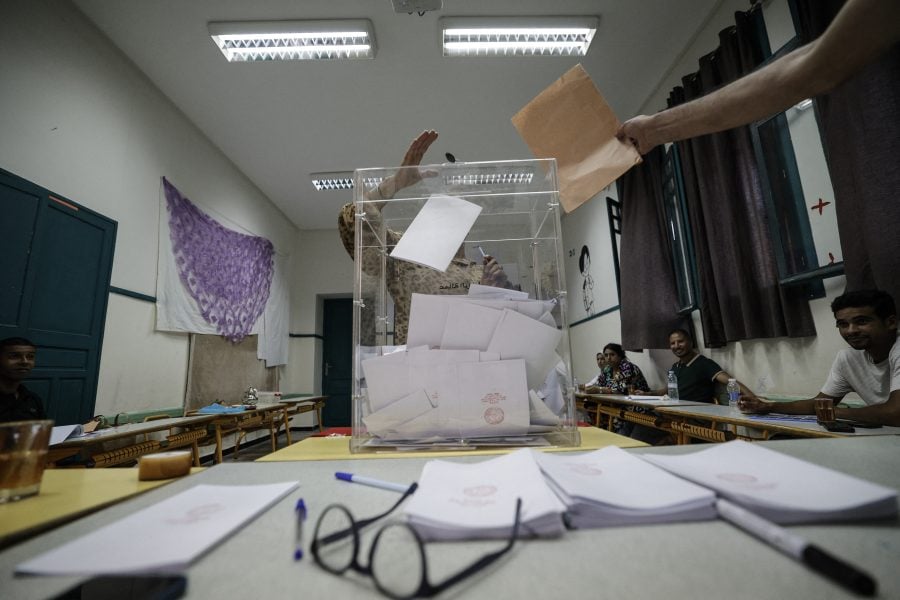
Morocco’s Collective for Associative Election Observation will deploy about 1,700 independent observers for the September 23 parliamentary election, covering all 92 local constituencies but only a fraction of the country’s more than 45,000 polling stations.
The planned deployment is smaller than in 2021, when the coalition said it mobilized 2,620 observers across Morocco’s 12 regions.
CAOE President Kamal Lahbib said the network, comprising about 75 associations and civil society groups, lacked the logistical resources needed to place observers in every polling station.
Monitoring has already begun during the pre-election period. Teams are tracking alleged vote buying, pressure by authorities, inducements offered to candidates and elected officials switching parties before the campaign formally begins.
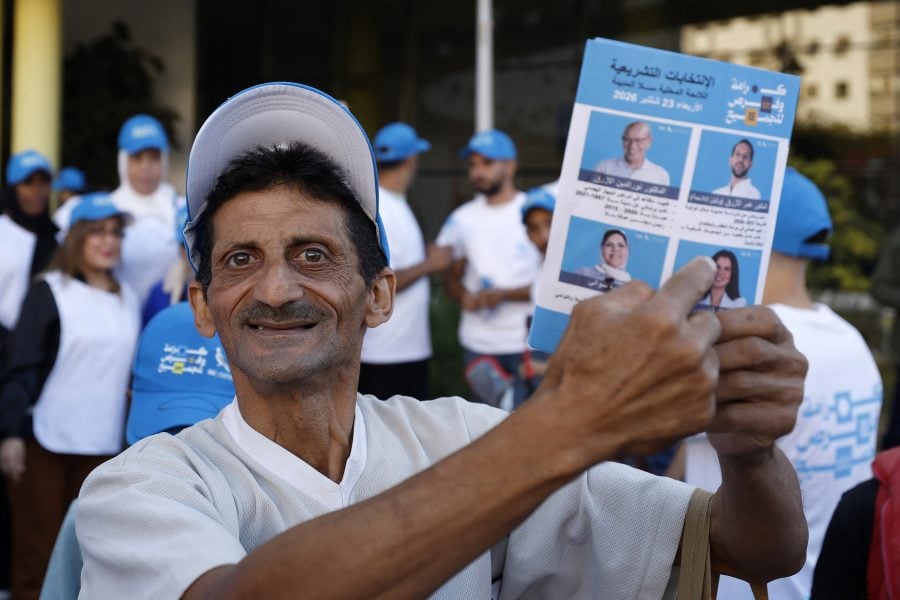
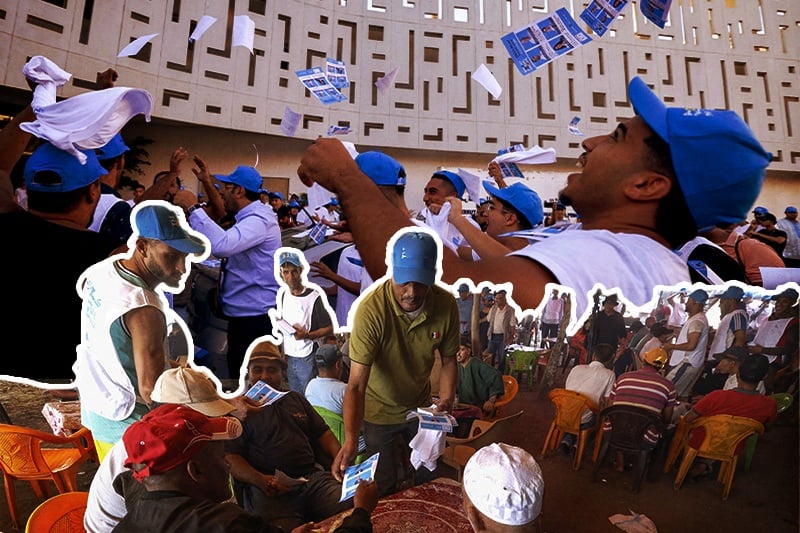
Observers will follow two parallel tracks during the campaign. Field teams will document campaign activities and possible legal violations, while separate monitors will examine whether public radio and television allocate legally required airtime fairly among competing parties.
The coalition will also assess newspaper coverage for balance and neutrality and review whether recently adopted electoral legislation complies with international standards for transparent and competitive elections.
Lahbib said CAOE was relying primarily on its own resources, supplemented by limited European Union funding. It would not accept financing from the Moroccan government or political parties because doing so could compromise the independence of its findings, he said.
The coalition has organized seven training sessions for regional coordinators and supervisors who will oversee observers on election day.
Independent election observation in Morocco is governed by Law 30.11. The legislation created a special accreditation commission, chaired by the National Human Rights Council, that approves monitoring organizations and issues credentials to individual observers.
CAOE’s 2021 report recorded missing equipment or materials at 4% of observed polling stations. Men headed 95% of those stations, while 10% of presiding officers failed to show observers that ballot boxes were empty before voting began.
The coalition also said indelible ink was not applied to voters at 7% of observed stations, campaign activity was recorded near 12% of voting centers and 17% of station reports omitted observations concerning disputed or invalid ballots.




add your comment
Terms of publication : Not to offend the writer, people, sacred things, or attack religions or the divine self, and refrain from racist incitement and insults.