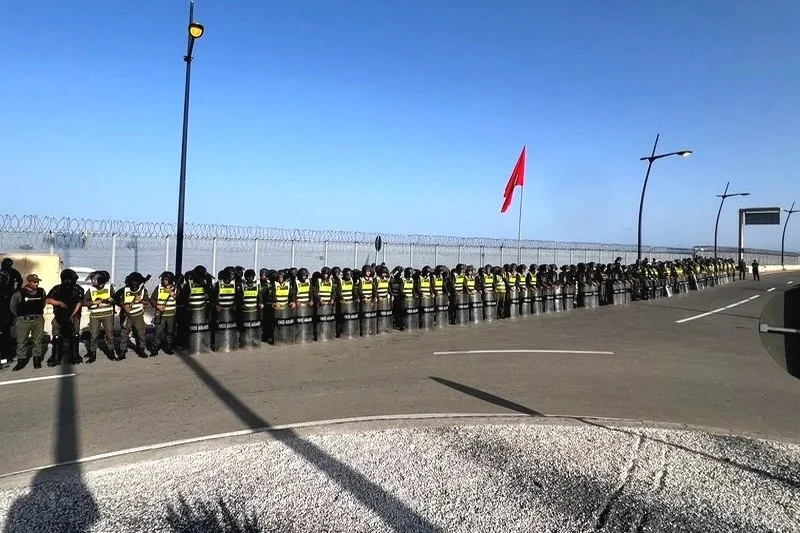
The European Commission has defended the European Union’s infrastructure financing in Morocco, saying its broad relationship with Rabat requires a balanced approach that takes into account migration, security, trade and investment.
The comments came in response to questions from European Parliament member Marieke Ehlers of the Patriots for Europe group about European Investment Bank financing for infrastructure projects in Morocco amid concerns over what she described as insufficient cooperation on migrant returns.
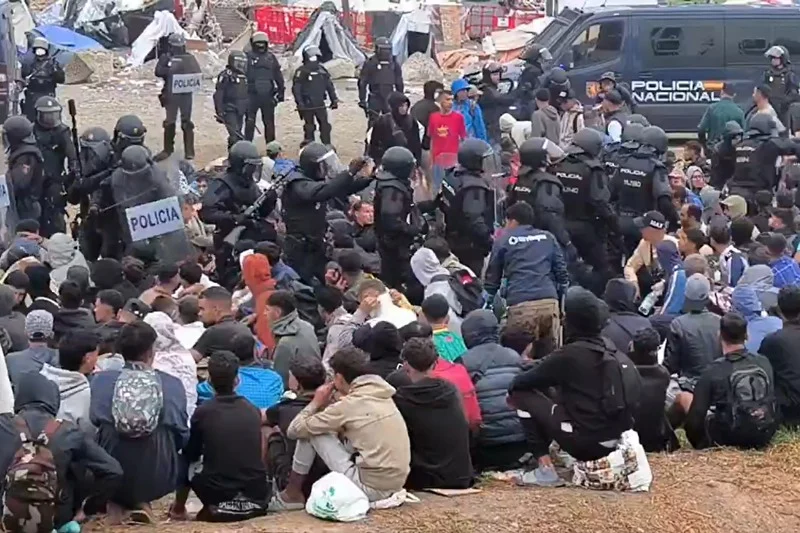
Dubravka Suica, the European commissioner for the Mediterranean, said the Moroccan response to the migration crisis in Ceuta on July 29 and 30 underscored the importance of EU-Morocco relations.
“After around 72,000 irregular migrants swam across the maritime border between Morocco and the Spanish enclave of Ceuta in just over 24 hours, the Kingdom of Morocco facilitated their immediate return,” Suica said. By Aug. 4, she added, the “vast majority” had been returned.
Suica said the depth and scope of EU-Morocco relations required a “balanced and comprehensive approach” covering the full range of EU interests, including returns and readmission.
EU-Morocco cooperation covers security, trade, investment, economic cooperation and migration, she said. Migration cooperation includes border management, labor mobility, migrant and refugee protection, returns and readmission, supported by political dialogue and financial cooperation.
Asked about new European Investment Bank financing for a tramway network in Rabat, Suica said the bank’s founding rules require projects it finances to be consistent with EU objectives.
In the case of the Rabat infrastructure project, the European Commission approved the financing under those rules because connectivity is among the EU’s objectives in Morocco, she said.
Suica also said the EU’s planned return regulations would strengthen the external dimension of its return policy by providing a framework for deeper cooperation with non-EU countries.
She said any future European Investment Bank financing would continue to be assessed under the applicable legal framework.
“The Commission will continue to engage with Morocco on readmission and broader migration cooperation,” Suica said, adding that EU actions would remain consistent with EU law, foreign policy objectives and the requirements attached to relevant financial instruments.
The commission also said it was committed to transparency and reporting under the rules governing the EU budget, external action instruments and cooperation with the European Investment Bank and other implementing partners. Information on EU financing is made available through relevant budgets, financial instruments and reports, including the annual report on the implementation of the EU’s external action instruments.






add your comment
Terms of publication : Not to offend the writer, people, sacred things, or attack religions or the divine self, and refrain from racist incitement and insults.