A Moroccan anti-discrimination group has asked Spanish authorities in Ceuta to disclose how they determined the religion of unidentified migrants before burial, warning that funeral rites should not be assigned without sufficient evidence.
The Civil Council Against All Forms of Discrimination raised the issue in its ninth bulletin, prepared with the Prometheus Institute for Democracy and Human Rights and covering developments from August 17 to 21.
The council said publicly available information did not explain whether religious affiliation had been inferred from forensic examinations, personal belongings, religious symbols, family testimony, information supplied by Moroccan authorities or accounts from people who knew the deceased.
Circumcision may be documented during forensic examinations of some male bodies, the group said, but cannot establish religious identity conclusively and cannot apply to women. Funeral arrangements should respect the deceased person’s identity and beliefs whenever these can be established, it added.
The bulletin also reported that people perceived to be of Moroccan origin faced heightened restrictions when entering some shops. It urged authorities to distinguish legitimate measures for managing overcrowding or security from practices that deny access based on origin, nationality or presumed migration status.
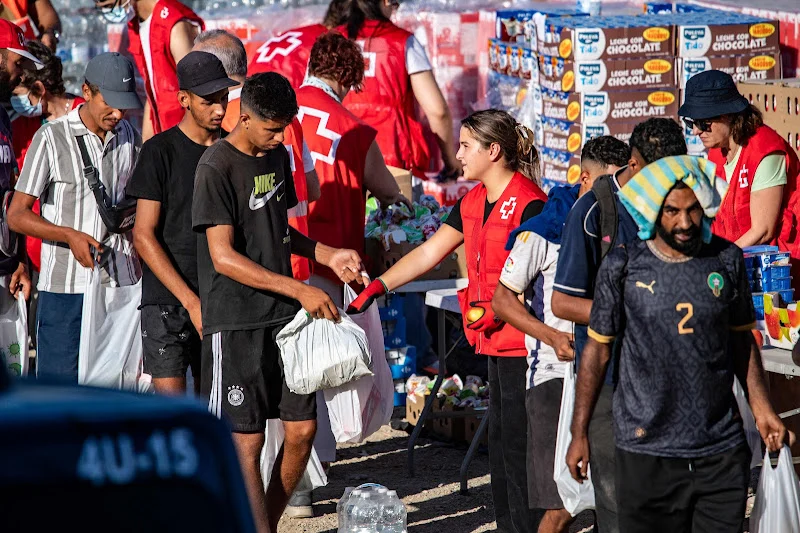
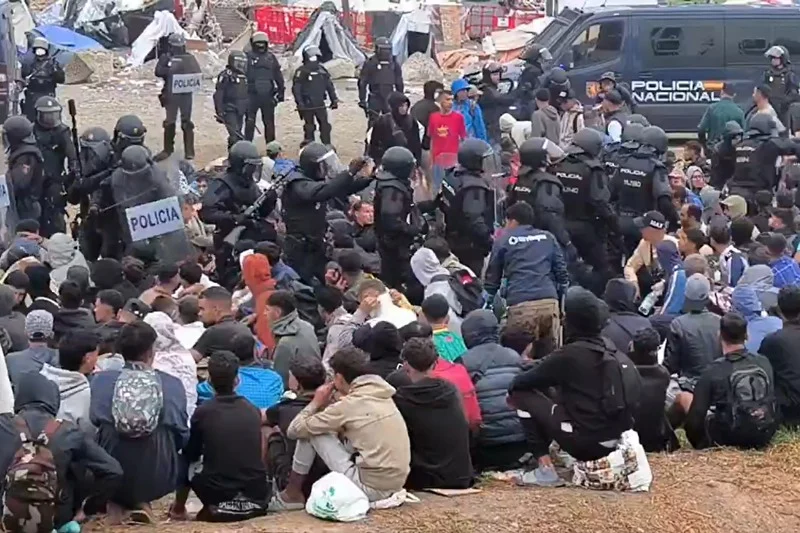
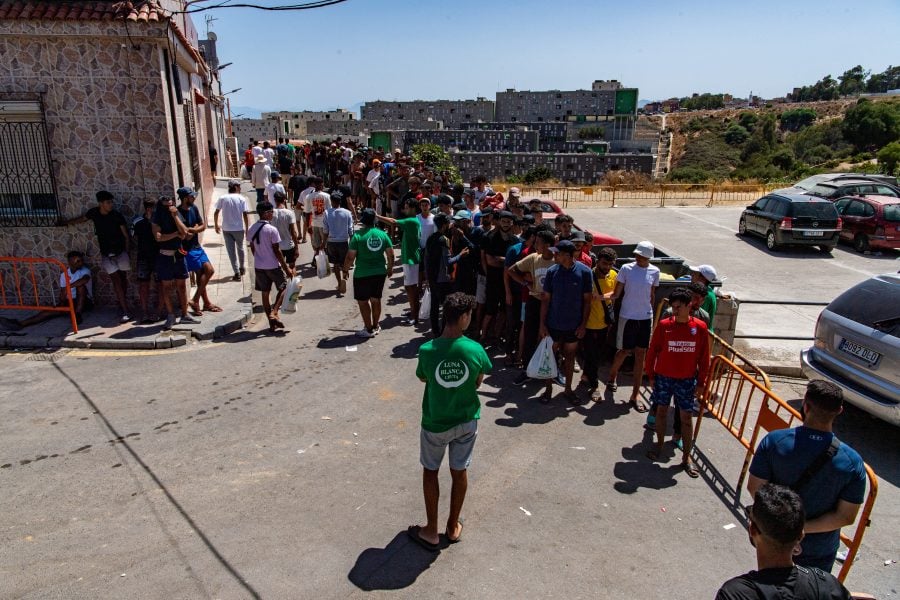
The transfer of migrants from Trampolín beach to reception facilities, including Loma Margarita and the Loma Colmenar holding center, represented a potentially positive development, the council said.
It called for guarantees covering security, shelter, food, health care, information and protection for women, children and other vulnerable people. Following protests near the new Loma Colmenar facility, the group urged authorities to protect migrants from intimidation while addressing residents’ concerns without restricting beneficiaries’ rights.
The council also sought anonymized data on the number, age, gender and nationality of transferred migrants, including unaccompanied minors, people requiring medical care and those seeking asylum or other protection.
Its bulletin documented rising anti-migrant rhetoric online and urged media outlets to avoid labeling people “economic migrants” before examining their individual circumstances, noting that the term is not a legal protection category under international law.
The group separately criticized the publication of private information about a Moroccan woman identified as W.A.
after she spoke to El País. It said photographs of her travel, clothing and previous living conditions were used to question whether she was sufficiently poor or vulnerable to justify migration, creating what it described as a public trial of her personal life.




add your comment
Terms of publication : Not to offend the writer, people, sacred things, or attack religions or the divine self, and refrain from racist incitement and insults.