
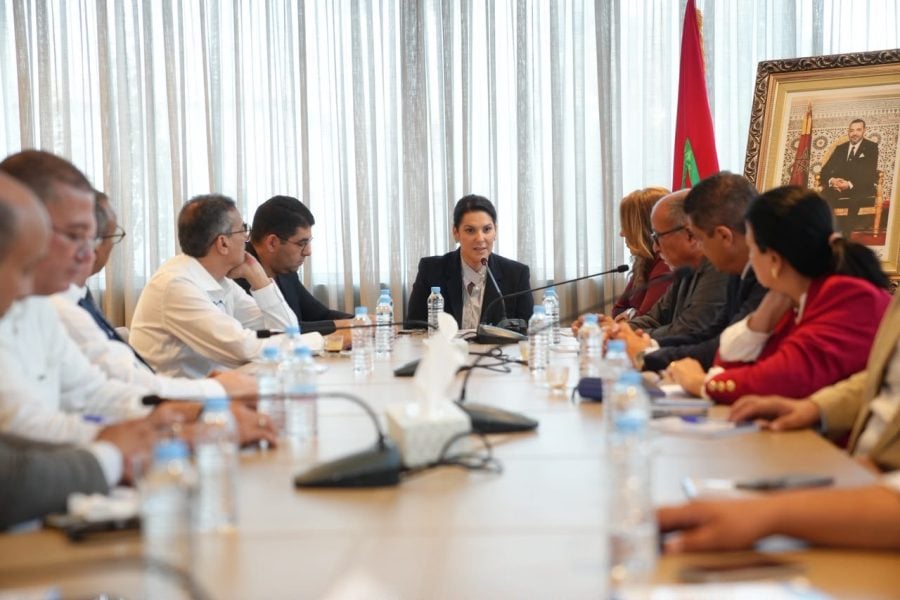
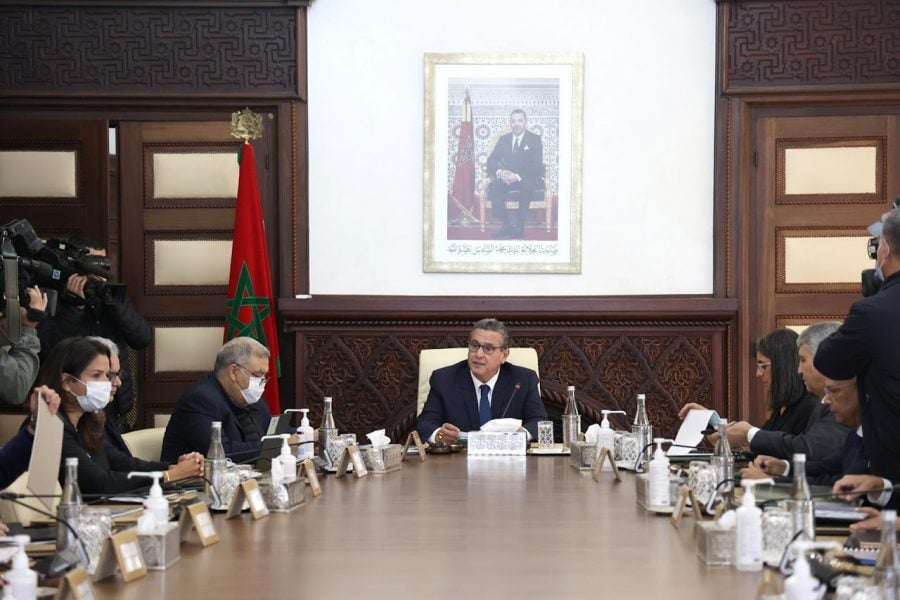
Moroccan Prime Minister Aziz Akhannouch chaired on Monday in Laayoune the inaugural board meeting of the Territorial Health Group for the Laayoune-Sakia El Hamra region, as part of the government’s accelerated rollout of Morocco’s healthcare reform agenda under the directives of King Mohammed VI.
The launch of the regional health group in Morocco’s southern provinces follows the establishment of similar structures in the regions of Tangier-Tetouan-Al Hoceima, Rabat-Salé-Kénitra, and Souss-Massa.
The initiative forms part of a broader strategy aimed at introducing a new model of regional healthcare governance based on managerial autonomy, improved efficiency, integrated care, and healthcare planning tailored to local territorial needs.
Participants in the meeting, attended by Health and Social Protection Minister Amine Tahraoui, Higher Education Minister Azzedine El Midaoui, Employment Minister Younes Sekkouri, and Laayoune-Sakia El Hamra Governor Abdeslam Bekrate, stressed that the territorial health groups represent a structural reform designed to improve healthcare governance, strengthen coordination among hospitals and primary care institutions, and optimize regional healthcare delivery.
Officials highlighted the symbolic importance of launching the project in Morocco’s southern provinces, reflecting the sustained attention devoted by King Mohammed VI to the region’s development.
During the meeting, Akhannouch emphasized that the territorial health groups represent a profound structural shift from centralized healthcare management toward an integrated regional governance model.
He said the reform seeks to reorganize healthcare services at the regional level, improve coordination among medical institutions, and create a more balanced and accessible healthcare system for citizens.
The prime minister added that the Laayoune-Sakia El Hamra Territorial Health Group is expected to officially begin operations in August 2026, granting regional authorities broader healthcare management powers and improving the proximity and quality of medical services.
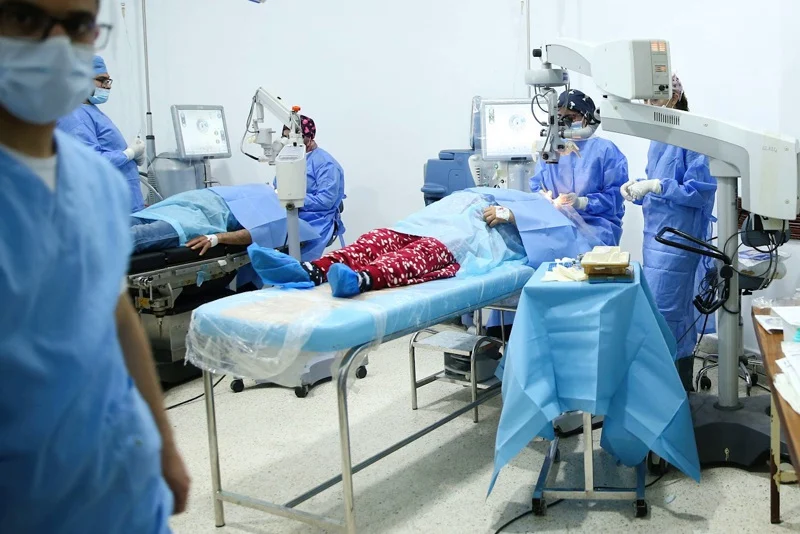
A key topic during the meeting was the strategic role of the new university hospital in Laayoune, which is nearing completion and will offer a capacity of 500 beds.
Officials said the facility will significantly strengthen healthcare services in Morocco’s southern provinces, reduce waiting times, and support the training of medical students at the regional faculty of medicine and pharmacy as part of the development model launched in 2015 for the southern provinces.
The meeting also underscored the importance of primary healthcare institutions and family medicine as the cornerstone of patient care pathways, with the aim of improving referrals, reducing pressure on hospitals, and ensuring better coordination across all levels of treatment.
Speaking to Hespress AR, Akhannouch said the reform also focuses heavily on human resources development. He noted that the number of doctors in the region is expected to increase fivefold by 2030, while the number of specialist doctors graduating annually nationwide is projected to rise from around 300 to nearly 2,000 by the same year.
For his part, Health Minister Amine Tahraoui described the establishment of the territorial health groups as a new operational phase in implementing Morocco’s healthcare reform and regional governance strategy. He said the initiative would improve healthcare quality, facilitate access to services, and reinforce territorial equity in healthcare provision.
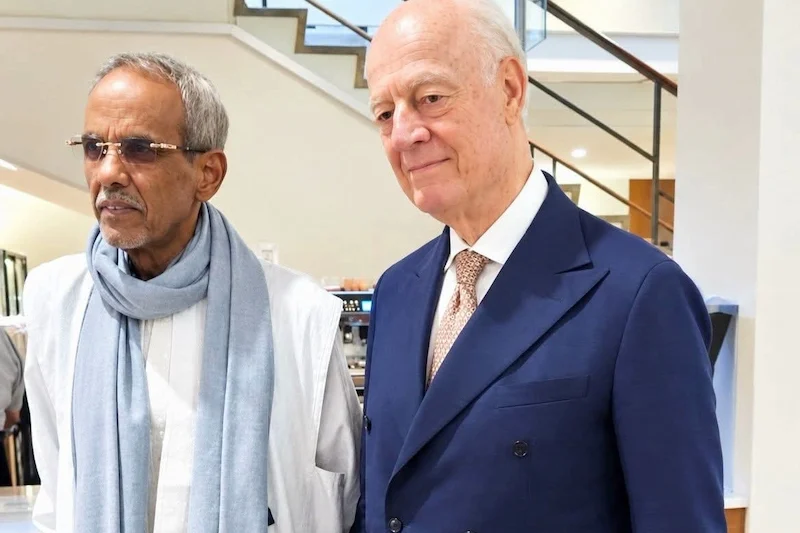
Meanwhile, Ibrahim Al Ahmadi, director general of the Laayoune-Sakia El Hamra Territorial Health Group, stated that the board meeting approved the organization’s structure, work program for 2026–2027, and its operating budget for the remainder of 2026.
He added that the next phase would focus on comprehensive modernization of the region’s healthcare system in coordination with local and national stakeholders, with the objective of improving healthcare quality and meeting the expectations of residents in Morocco’s southern provinces.





add your comment
Terms of publication : Not to offend the writer, people, sacred things, or attack religions or the divine self, and refrain from racist incitement and insults.