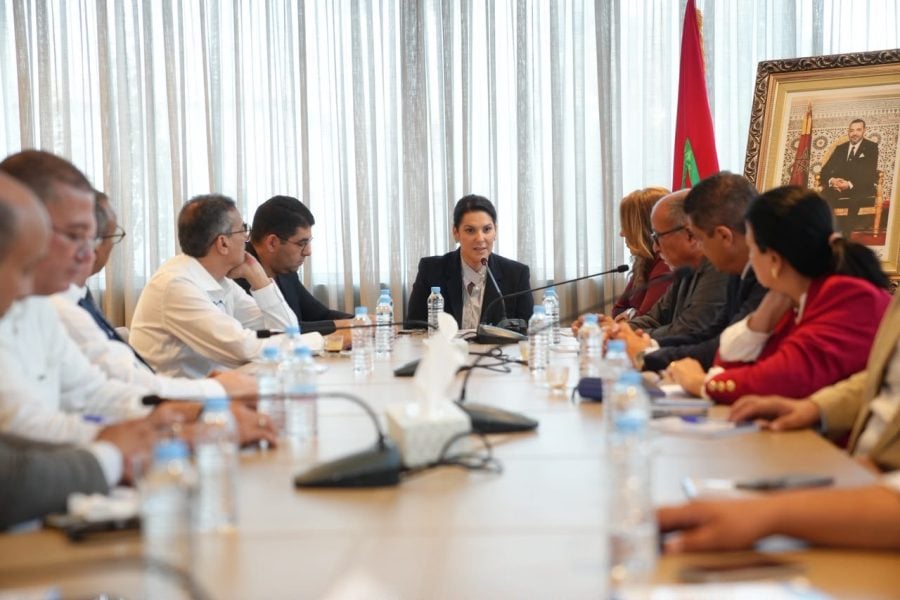
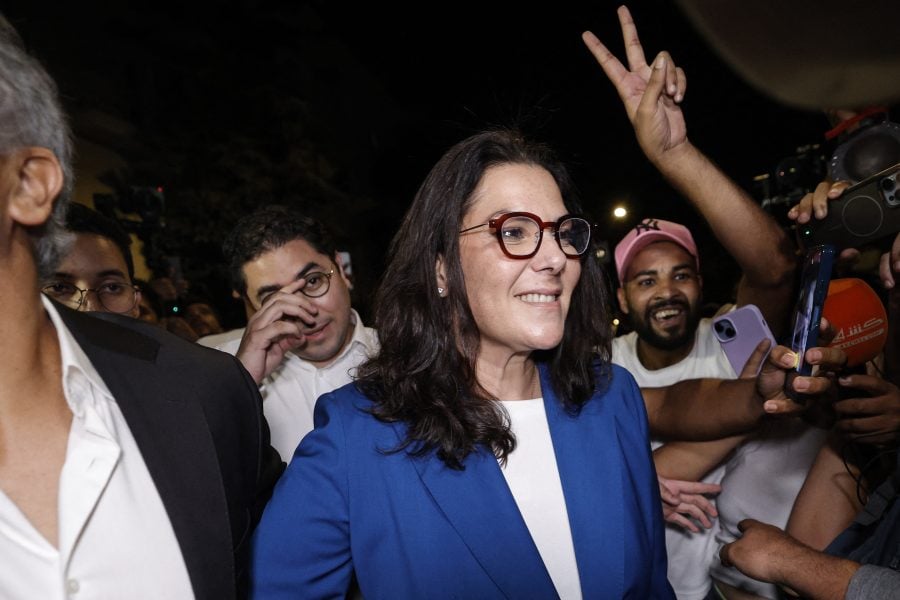
As designated Prime Minister Fatima Zahra El Mansouri works to form Morocco’s next government, trade unions are pressing to put purchasing power, social dialogue, public services and workers’ rights high on the new administration’s agenda.
Several unions have used the start of the new political cycle to revive demands ranging from higher wages and better working conditions to health care, administrative reform and changes to the structure of government departments.
Purchasing power and social dialogue
The National Union of Moroccan Workers, affiliated with the Justice and Development Party, has called on the next government to make social issues a central priority.
The union is demanding measures to protect the purchasing power of workers, professionals and retirees, address rising living costs and improve social services.
It has also called for greater social and regional equality and measures to reduce disparities between groups and regions.
A central demand is stronger social dialogue with trade unions, which the organization describes as an institutional mechanism for negotiation and agreement.
The union has called for fair representation among the country’s union federations and urged the government to protect freedom of association, collective bargaining and the right to strike.
It also wants the next government to review education, health and employment policies to improve public services and working conditions.
Health workers seek higher spending and more staff
Sector-specific demands are also emerging.
The National Health Union, affiliated with the Democratic Confederation of Labor, has sent El Mansouri an open letter calling for health workers’ demands to be reflected in the next government program and future budgets.
The union is calling for the health budget to be gradually increased to 12% of total annual government spending over five years, along with more funded positions and increased recruitment to address staffing shortages.
It also wants improvements to health workers’ pay and professional and social conditions, arguing that these are essential to the quality of public health services.
The union said the 2027 budget would provide an early indication of how the new government addresses the sector’s demands.
UMT calls for administrative reform
The Moroccan Workers’ Union has also put administrative reform on the agenda.
Its National Union for Administrative Reform is calling for digital transformation and administrative reform to feature prominently in the next government’s program, alongside greater use of artificial intelligence and new technologies.
The union also wants better public services and improved conditions for government employees. It has called for continued implementation of measures under the April 30, 2026 social agreement with the Ministry of Digital Transition and Administrative Reform.
The union has also warned against restructuring the department responsible for digital transition and administrative reform for what it describes as narrow political considerations.
Unions are also watching the government structure
Some demands go beyond pay and working conditions and concern the structure of the next government itself.
The UMT-affiliated Youth and Sports Trade Union has called on El Mansouri and the parties negotiating the coalition to restore sports to a dedicated Ministry of Youth and Sports, after the sector was placed under the education ministry.
The union says the current arrangement has created management, financial, regional and human-resources difficulties and wants the sector returned to a dedicated institutional framework.
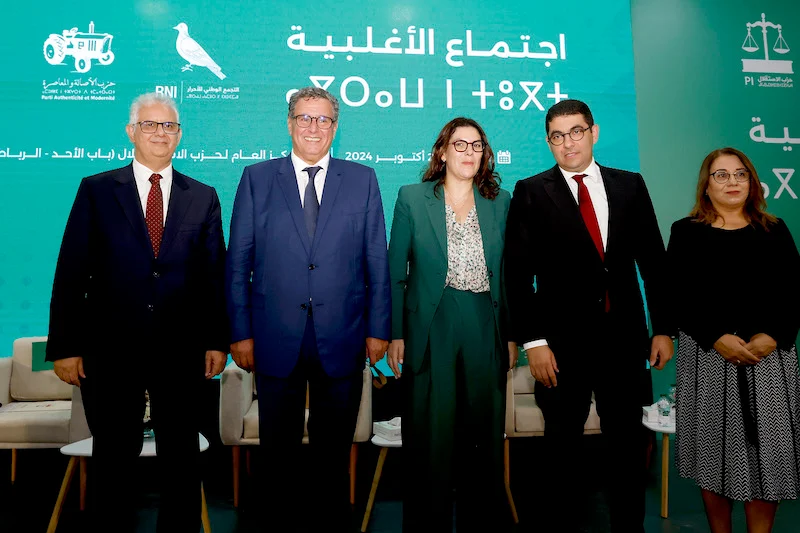
For El Mansouri, the demands come as coalition talks continue and as the new government’s program is being prepared. Her party, the Authenticity and Modernity Party, has made purchasing power a central component of its 2027-2031 electoral program, allocating MAD 150 billion to its proposed Purchasing Power Charter.


add your comment
Terms of publication : Not to offend the writer, people, sacred things, or attack religions or the divine self, and refrain from racist incitement and insults.