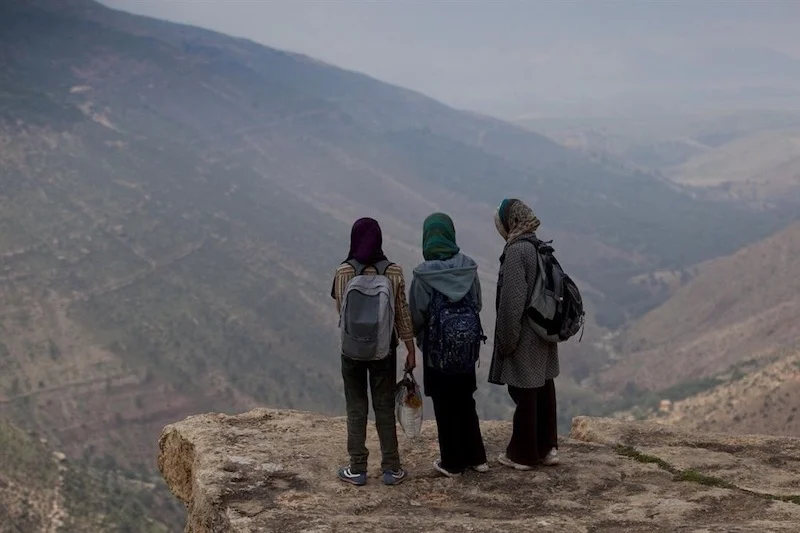
Nearly 280,000 Moroccan students dropped out of school in 2025, according to a recent report by the United Nations International Children’s Emergency Fund (UNICEF).
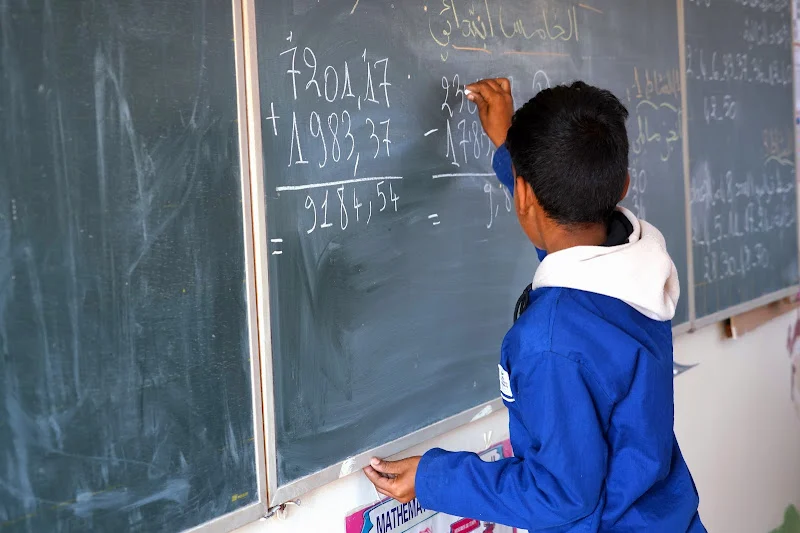
The 2025 annual report, titled “Support for Structural Reforms Related to Children’s Rights,” stressed that school retention remains a key priority, particularly under the 2022–2026 roadmap of the government’s Pioneer Schools initiative.
To tackle the issue, UNICEF Morocco has developed a multisectoral model in partnership with the Ministry of National Education, Preschool, and Sports (MENPS) to reduce dropout rates.
The source explained that the model combines student support with efforts to improve school conditions, backed by practical tools such as guides for school staff and activities promoting social innovation.
It also includes a skills program for young people aged 15 to 24, along with initiatives on menstrual hygiene and child-led advocacy.
The program was implemented in pilot regions, including Beni Mellal-Khenifra, Tangier-Tetouan-Al Hoceima, and the Oriental, where more than 5,500 young people, including 3,798 girls, took part in workshops, clubs, and innovation activities to keep students engaged in school.
The report revealed that the approach has shown positive results, with the “final evaluation describing it as an effective model grounded in peer participation, community engagement, and coordination among stakeholders.”
It noted that in some schools in these regions, the dropout rate fell to zero during the 2024–2025 school year.
UNICEF also supported efforts to improve school conditions by helping integrate climate-resilient water, sanitation, and hygiene (WASH) services, the report said.
In earthquake-affected areas, seven schools in Marrakech and Souss Massa were rehabilitated, with upgraded facilities that are now accessible, gender-sensitive, and climate-resilient, benefiting over 3,350 students, including 1,662 girls.
It stressed that this experience is expected to inform Morocco’s first national standards for school WASH, which are currently being developed by the Ministry of National Education with UNICEF support.
On health, the report highlighted that UNICEF helped secure 19 million doses of vaccines and nutritional supplies.
It also supported the upgrading of the cold chain system, efforts to address vaccine hesitancy, and the strengthening of national capacities.





add your comment
Terms of publication : Not to offend the writer, people, sacred things, or attack religions or the divine self, and refrain from racist incitement and insults.