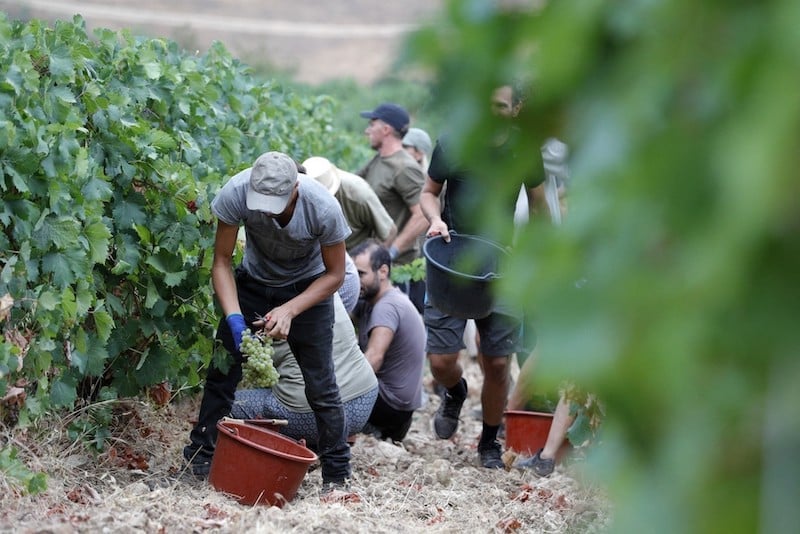
Across Morocco’s farming regions, migrants from West Africa are stepping into jobs that Moroccans are leaving behind, according to Reuters.
Fields that once relied on Moroccan workers are now filled with newcomers picking tomatoes, harvesting vegetables, and keeping the agricultural sector running.
Over the past two decades, many Moroccans have moved to cities in search of better opportunities, leaving rural areas short on workers.
Drought made things worse, wiping out jobs and pushing even more people away from farming. When rains finally returned, farms were left struggling to find labor.
In regions like Souss-Massa, a major hub for fruit and vegetable production, migrant workers now play a key role. Some arrived hoping to cross into Europe but ended up staying after tighter border controls made the journey harder.
Other migrants simply found work and decided to build a life where they landed.
Many of these workers live in tough conditions and earn far less than Moroccan laborers. Still, for some, it’s better than having nothing.
Some migrants have been working in Morocco’s agricultural sector for so many years that they’ve begun to build lives there by starting families, sending their children to local schools, and putting down roots in rural communities.
Meanwhile, Morocco’s cities keep growing, pulling more people away from rural life. With fewer Moroccans willing to work on farms, employers are increasingly dependent on migrant labor to keep production going.
Some in the industry warn that without these workers, farms could shut down or scale back.
There’s a growing debate about whether Morocco should make it easier for migrants to get legal status. Supporters argue that regularizing workers could stabilize the workforce and help the economy, especially as the country faces a declining birth rate and ongoing labor shortages.







add your comment
Terms of publication : Not to offend the writer, people, sacred things, or attack religions or the divine self, and refrain from racist incitement and insults.