
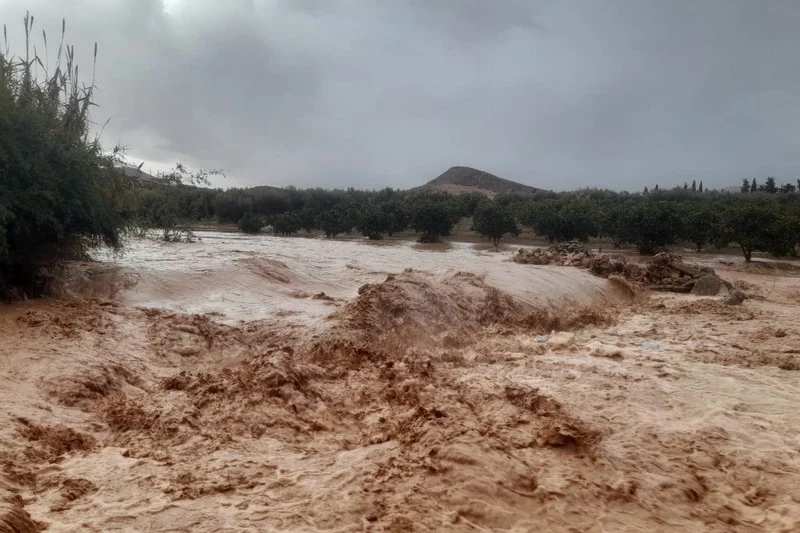
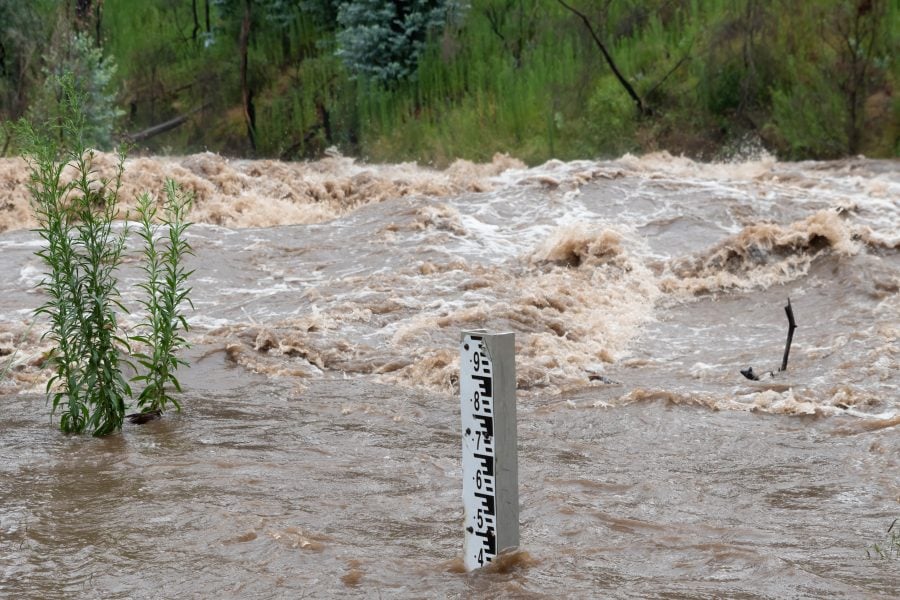
Devastating floods in western and northwestern Morocco have put the country’s legal and institutional preparedness for natural disasters under scrutiny, as pressure mounts on authorities to activate compensation mechanisms guaranteed by law.
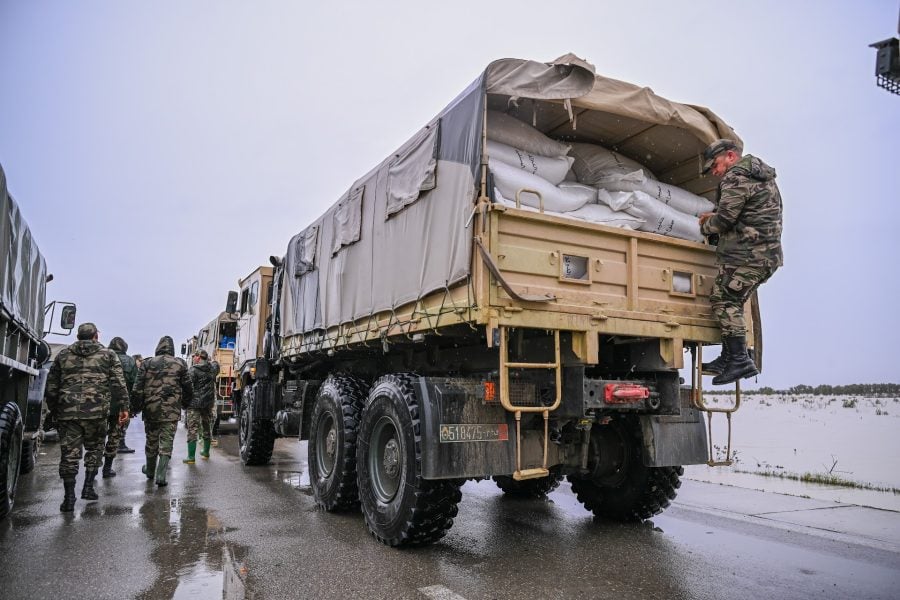
More than 154,000 people have been evacuated from flooded areas in recent days under preventive operations aimed at protecting lives, according to official figures. As emergency response continues, the debate has shifted beyond immediate relief to questions of regional equity and the implementation of constitutional guarantees and Morocco’s disaster compensation framework.
Six months before the latest floods, the government approved a decree raising the solidarity levy for catastrophic events from 1% to 1.5%. The measure, published in the official gazette in September 2025, is intended to bolster the Solidarity Fund Against Catastrophic Events, governed by Law 110.14.
The fund’s activation, however, hinges on a formal government decree declaring an area a “catastrophic zone,” a step that has yet to be taken for several hard-hit regions, including Larache province and the city of Ksar el-Kebir. Civil society groups and legal experts say the delay risks depriving thousands of affected residents of compensation.
According to guidelines issued by Morocco’s insurance regulator, the fund operates with financial autonomy and is designed primarily to compensate victims without insurance coverage, including those who suffer bodily harm or whose primary residences become uninhabitable. It is financed through state allocations and the solidarity levy applied to certain insurance premiums.
Ridouane Aamimi, a professor of public and administrative law at Mohammed V University in Rabat, said the fund is a cornerstone of Morocco’s legal framework for disaster response, rooted in the principle of social solidarity. But he warned that bureaucratic procedures and rigid criteria limit its effectiveness.
“The declaration of a disaster zone by government decree is the legal key that unlocks compensation,” Aamimi said. “Without flexibility and speed, the mechanism risks falling short of its purpose.”
He also criticized the fund’s limited scope, noting that it excludes secondary homes and professional activities and relies on outdated methods for calculating compensation.
Human rights advocate Mohamed Laouni echoed calls for urgent action, urging authorities to immediately apply Law 110.14 and declare severely affected areas disaster zones. He said the scale of damage requires a pre-established, rights-based response rather than ad hoc measures.
“The current situation shows the absolute priority of these demands,” Laouni said, warning that climate-related extreme events are becoming more frequent and require proactive institutional preparedness centered on human protection and rights.
As floodwaters continue to affect large swaths of the north, the government faces growing pressure to move from emergency management to full legal activation of disaster relief mechanisms.






add your comment
Terms of publication : Not to offend the writer, people, sacred things, or attack religions or the divine self, and refrain from racist incitement and insults.