
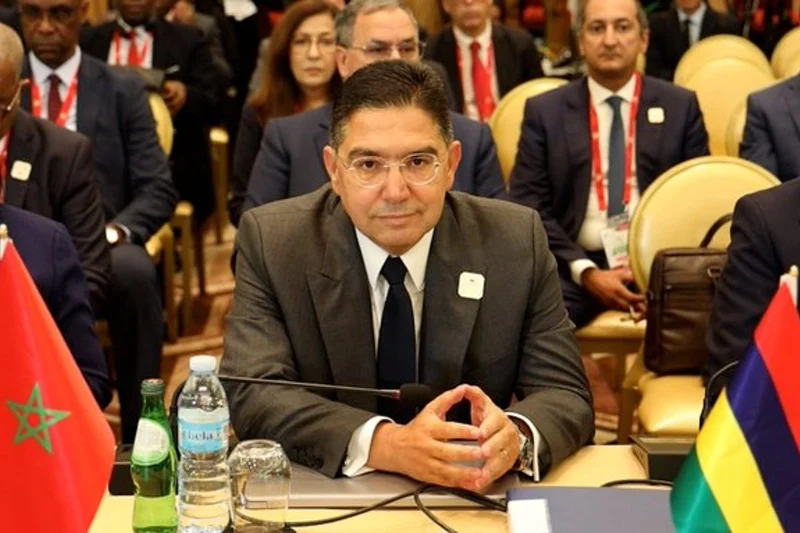
Moroccan Head of government Aziz Akhannouch told the United Nations General Assembly on Tuesday that Rabat’s autonomy proposal remains “the only realistic and lasting solution” to the Western Sahara dispute, underscoring Morocco’s confidence that international momentum has swung behind its sovereignty claim.
Speaking on behalf of Morocco at the 80th session, Akhannouch said “the time has come to turn the page” on what he called a manufactured conflict, noting that “the majority of countries in the international community” now view the 2007 autonomy plan as the sole credible basis for settlement.
He pointed to social and economic investments in the southern provinces, framed by King Mohammed VI’s Atlantic initiatives , as proof that the region has become a “strategic platform for peace, security and shared development.”
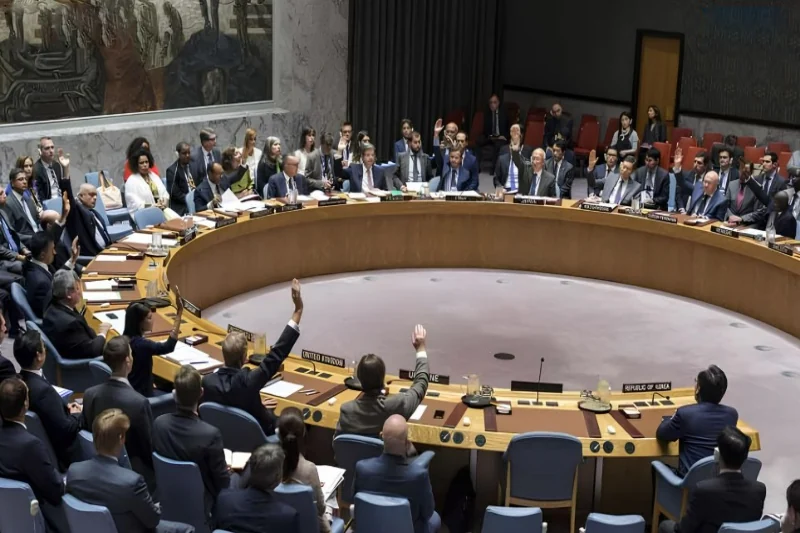
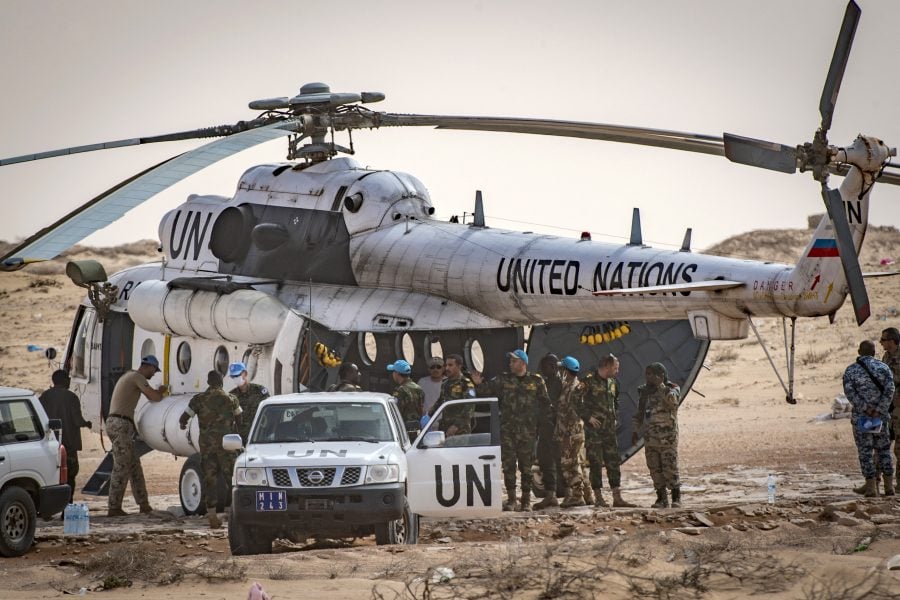
The address comes ahead of next month’s Security Council deliberations on renewing the U.N. peacekeeping mission MINURSO.
Council members remain divided: the United States, France and several Arab and African states have publicly supported autonomy as a compromise path, while Russia remains neutral and some Latin American members continue to emphasize the Polisario’s referendum demand, backed by Algeria.
The split has long stalled formal negotiations, even as successive resolutions call for a “realistic, pragmatic and enduring” solution.
Akhannouch also tied Morocco’s foreign policy to broader Middle East concerns, reaffirming the kingdom’s support for a two-state solution to the Israeli-Palestinian conflict.
He said the framework, a Palestinian state on 1967 borders with East Jerusalem as its capital and Gaza as an integral part , was “the only path” to lasting peace.
As chair of the Jerusalem Committee of the Organization of Islamic Cooperation, King Mohammed VI “remains committed to protecting the holy sites,” Akhannouch said, citing the work of the Bayt Mal al-Quds agency on the ground.
He expressed Morocco’s solidarity with Qatar, Syria and Lebanon over Israeli attacks, and voiced support for peaceful solutions to conflicts in Libya, Yemen, Sudan and Somalia, based on respect for sovereignty and territorial integrity and free of foreign interference.


add your comment
Terms of publication : Not to offend the writer, people, sacred things, or attack religions or the divine self, and refrain from racist incitement and insults.