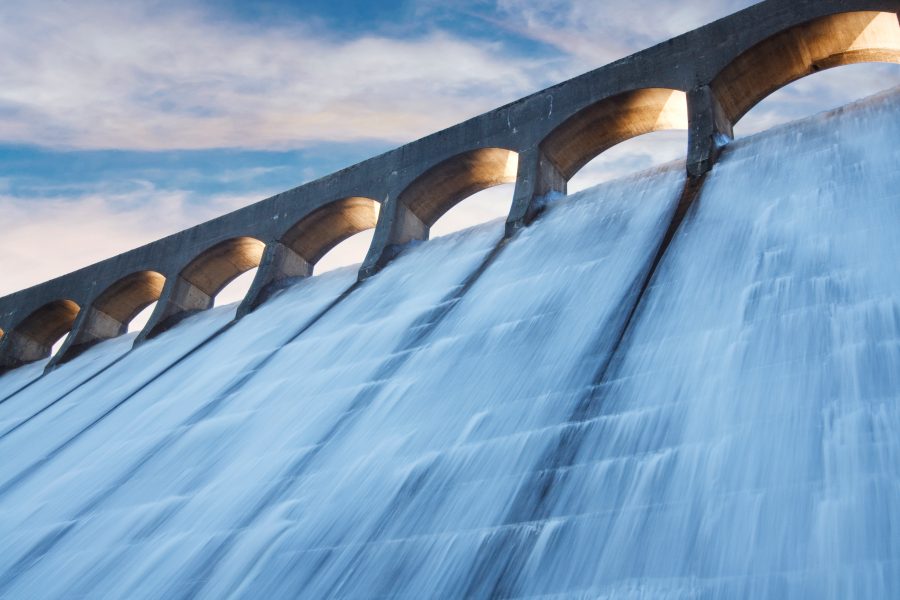
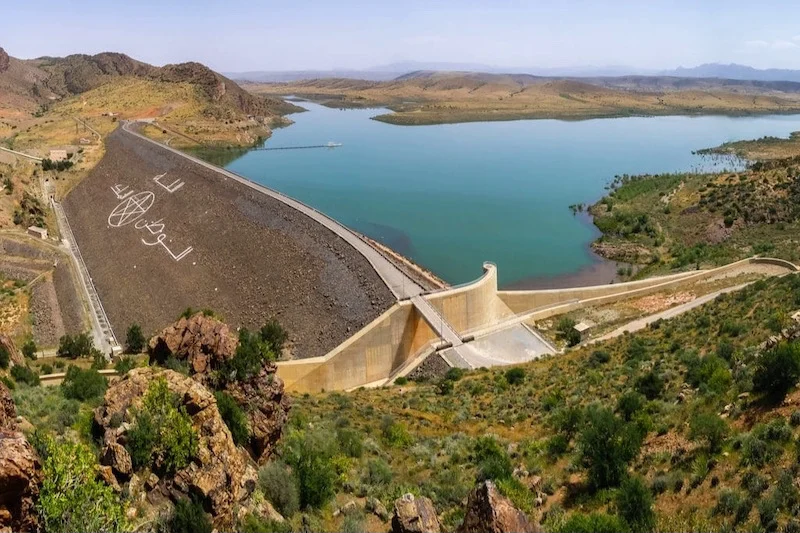
The hydraulic situation in Morocco continues to deteriorate, with national dam reservoirs holding just 5.73 billion cubic meters of water as of August 24, 2025, representing a filling rate of 34.22 percent of total capacity, according to updated data from the Ministry of Equipment and Water.
While this marks a 6.55-point improvement compared to the same period in 2024, the trend remains worrying as reserves have dropped by over 791 million cubic meters in only two months due to successive heatwaves and the return of the chergui winds.
At the start of the summer, dam levels approached 39 percent, but the combination of rising domestic demand, agricultural irrigation, and rapid evaporation amid extreme heat has strained resources. Between June 16 and August 24 alone, reserves fell by 12.1 percent, highlighting the intense seasonal pressure on water systems.
The ministry’s figures show stark regional disparities. Nearly half of Morocco’s hydraulic basins report filling levels below 30 percent, with the Oum Er-Rbia basin standing at an alarming 10 percent.
Other vulnerable basins include Moulouya, Souss-Massa, and Drâa-Oued Noun. Declines are also recorded in the Sebou, Loukkos, and Tensift basins, while only the Bouregreg basin maintains a comfortable level above 63 percent.
The imbalance between inflows and outflows illustrates the pressure: on August 23, cumulative inflows across basins reached just 3.59 million cubic meters, compared to 8.07 million cubic meters discharged.
This shortfall underscores the challenge of maintaining reserves as Morocco faces recurrent drought cycles and rising temperatures linked to climate change.
Officials and analysts stress that while the current storage rate is higher than last year, the pace of decline is alarming. The risk is that without significant rainfall at the start of the next agricultural season, shortages could severely affect both urban supply and irrigated farming.
Authorities are urged to accelerate water-saving programs, expand desalination projects, and boost wastewater reuse, alongside awareness campaigns promoting responsible consumption.
The government has invested in complementary infrastructure, such as inter-basin water transfers, but experts warn that without systemic change, Morocco’s water security remains precarious.





add your comment
Terms of publication : Not to offend the writer, people, sacred things, or attack religions or the divine self, and refrain from racist incitement and insults.