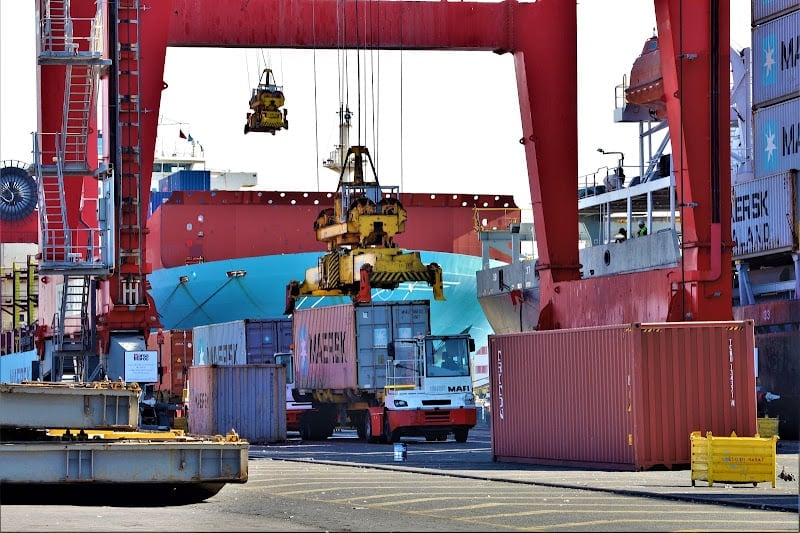
Moroccan customs and foreign exchange authorities have launched a joint investigation into several export companies suspected of illegally transferring profits abroad, in violation of national currency regulations.
According to Hespress AR sources familiar with the matter, the probe, which has reached an advanced stage, focuses on three Moroccan companies believed to have colluded with foreign importers to funnel export revenues outside the country. The suspected scheme allegedly involved under-invoicing export goods and failing to repatriate earnings, in breach of Morocco’s strict foreign exchange laws.
Investigators from the Customs and Excise Administration and Morocco’s Exchange Office (Office des Changes) are working with European customs agencies, particularly in Germany, France, and Spain, as part of international data-sharing agreements. These efforts reportedly uncovered irregularities in export documentation and billing, raising red flags about the true value of goods sold abroad.
Sources told Hespress AR that the investigations uncovered forged invoices and suspicious pricing discrepancies, particularly involving textile, cosmetic, and food product exports. Authorities suspect that a significant portion of the profits was diverted through international financial networks and eventually deposited in offshore tax havens, including Central American countries and digital cryptocurrency wallets.
Customs officials have been using Morocco’s internal digital systems, including the “BADR” customs platform and the PortNet portal, to cross-check logistics and financial data submitted by the companies under investigation. These platforms provide comprehensive access to customs declarations and invoices submitted over recent years.
Despite progress, investigators have yet to determine the total amount of revenue withheld from Moroccan financial institutions. The complexity of the case, including the use of multiple foreign accounts and coordination across jurisdictions, has complicated efforts to trace the full extent of the alleged money laundering.
Authorities are also looking into the identities of company executives and their recurring connections with specific foreign importers. The repetitive nature of these transactions, including consistent product types, quantities, and pricing, has added to the suspicion that these exports may have served as a front for currency smuggling operations.
According to Moroccan law, all foreign trade transactions must be supervised by customs authorities and processed through official banking channels. Regulations require foreign companies to deposit the full value of export deals into Moroccan bank accounts to prevent currency manipulation or evasion.
However, the companies under scrutiny reportedly completed only 60% of the transaction value through official channels, with the remaining amount, known locally as “noir” payments, allegedly routed to offshore bank accounts outside the regulatory system.
The ongoing probe underscores growing concerns about trade-based money laundering in Morocco and comes amid intensified scrutiny of cross-border financial flows. Officials say the outcome of the investigation may lead to significant legal action and stricter controls on export activity.








add your comment
Terms of publication : Not to offend the writer, people, sacred things, or attack religions or the divine self, and refrain from racist incitement and insults.