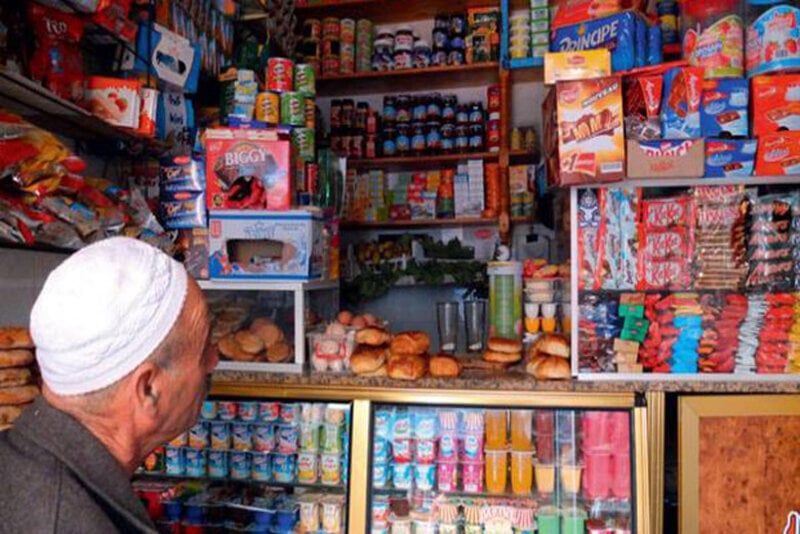
In almost every Moroccan street, you’ll find vendors – from fruit sellers to grocery stores – setting up shop next to each other. This doesn’t make sense from a competitive point of view, so why do it?
To be sure, the clustering of same-product vendors in residential neighborhoods isn’t by chance. First, there was the marketplace, and with the spread of urbanization, stores naturally gravitated towards convenient locations. As neighborhoods grew, so did these clusters.
“ This is a huge issue for us.” says union leader Nabil Nouri, President of the National Union of Traders ‘ For decades, we have advocated for the government to reconsider urban planning in a way that allows vendors breathing room from the price wars and overcrowding that send them to bankruptcies.’
God forbid, because Morocco wouldn’t be the same without its less than 30 m² garage shops, colorful stock havens, and owner-served counters— and not just for familiarity reasons.
Historically, these shops played a crucial role in maintaining a stable currency by consistently accepting the dirham for their goods and services and instilling local confidence in using it to defy colonial economic dominance.
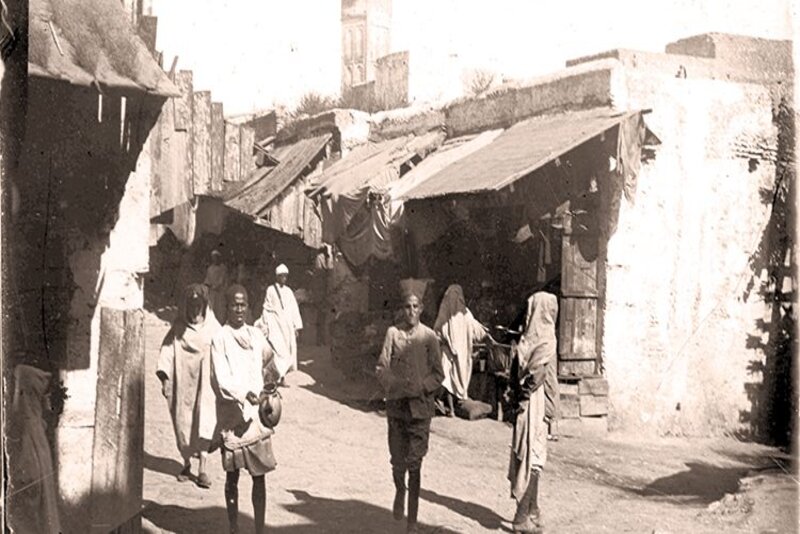
After Morocco gained independence, shopkeepers became central to creating wealth in urban centers like Casablanca and Rabat. And just recently with the COVID-19 pandemic, they were among the few businesses the state allowed to remain open.
And because anyone can rent a garage, buy inventory, and open shop in a sectoral economy that remains largely informal, many people did just that. Abdelah x described a boom in grocery shops, vegetable vendors, and butchers across Morocco post-lockdown.
“A lot of people understood that traditional vendors are the most security and stable jobs out there, that no matter what happened, they would always be needed,’
Since 2021, three identical businesses have opened in the residential neighborhood surrounding Abdelah’s storefront. He mentioned a nearby neighborhood where two shops selling fruits and vegetables sprouted up within two converted garages in the same housing complex. “ This is what the Union observed all across the country,” he said.
Because Moroccans love a good bargain, vendors have to keep dropping prices to attract customers, which might work initially but ultimately leads to shrinking profit margins for everyone.
“Sometimes it feels like customers just play us vendors against each other for the lowest price.” said Mohammed, a shop owner in Taza. “The constant price haggling is exhausting.”
This is one of the primary reasons why spatial clustering, despite its clear competitive disadvantage, makes sense to those standing behind the counter.
While there isn’t much Moroccan research on this model, some Kenyan researchers have studied a similar situation in Africa and found that clustering models often oppose European ideals. They coined a term for it: “utu-ubuntu,” which basically means “I am because we are.”
By being close, vendors build informal safety nets that help each other in various ways to ensure everyone suvives and thrives. Personal struggles become shared endeavors addressed by a philosophy of ‘solidarity entrepreneurship.’
We spoke to several vendors and collected examples of how this is practiced in Morocco:
Facing rising prices from large suppliers, vendors in the same area act as a single larger buyer which gives them leverage for better deals. Trust is crucial: one vendor receives wired funds from others and handles the bulk purchase. This informal cooperation allows them to collectively mitigate rising costs, a strategy that’s created outside formal regulations. Rather than being competitive, they act interdependently and trust each other to grow together.
Second, vendors act as each other’s backup, keeping an eye on shops and even holding perishable goods while someone travels. This trust system ensures a form of “self-policing” and eliminates worries about spoilage or theft. When they return, vendors are confident they’ll receive the equivalent value of their products back.
Third, vendors foster a community by rotating lunch duties, organizing friendly football matches, and acting as confidantes for each other. They exchange valuable market information, from upcoming deals to bad debtors, in a way that strengthens their individual businesses and fosters a home away from home.
Fourth, businesses act as a collective against individual threats. For example, in 2019 in Sale, a physical altercation erupted between a supplier and a shopkeeper, and nearby businesses mobilized to boycott the supplier. Despite later learning that the shopkeeper was at fault, neighboring vendors and the union facilitated a private mediation session that brokered a resolution between the involved parties and persuaded the supplier to withdraw legal action against the shopkeeper. Clustered businesses prioritize the collective well-being of their community, even in the face of individual errors.
Fifth, at times of personal hardship, like mounting medical bills, funeral costs, or a sudden drop in revenue, fellow vendors step in and contribute financially to those facing dire situations.
Edited by: Amira El Masaiti








add your comment
Terms of publication : Not to offend the writer, people, sacred things, or attack religions or the divine self, and refrain from racist incitement and insults.