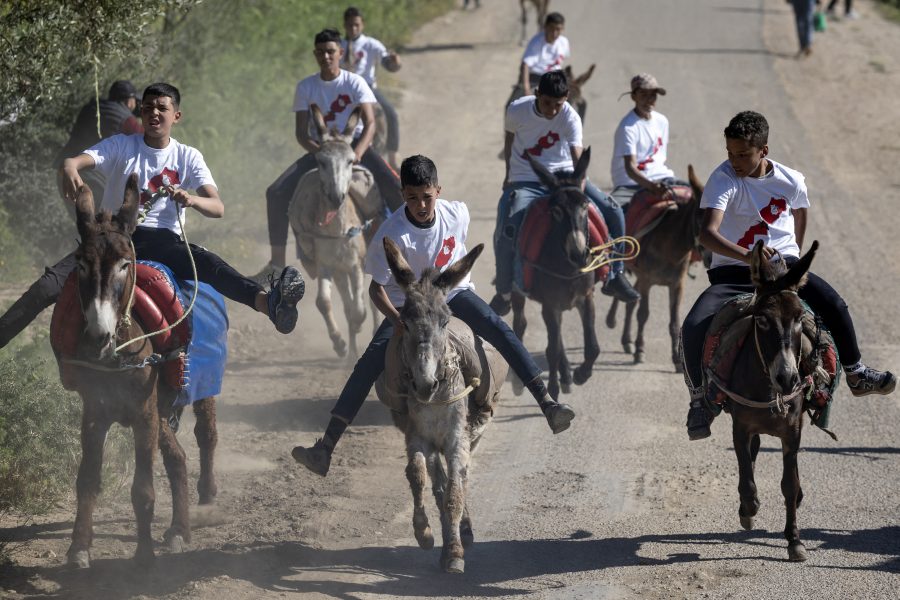
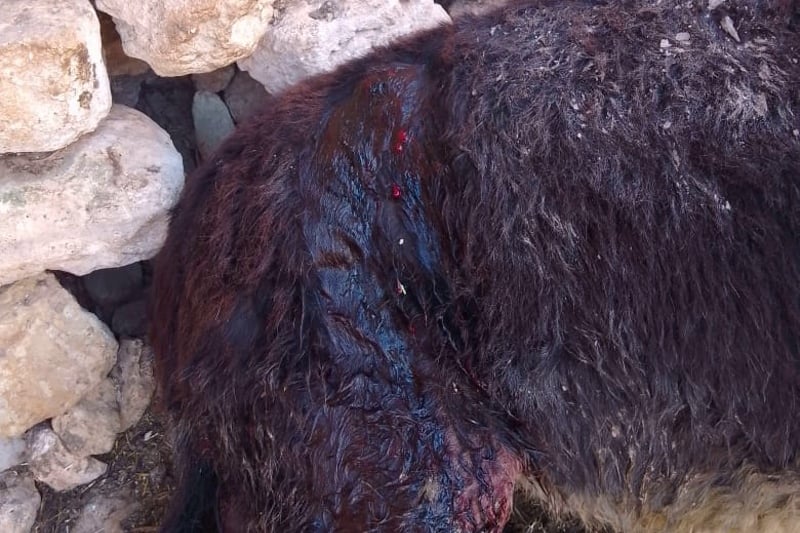
Long-standing rumors of an illicit donkey trade from Morocco to Sub-Saharan Africa, where they’re allegedly slaughtered and their skins sold to a growing Chinese market, have animal rights groups worried – though they say this potential horror is just another layer on the existing problem of brutal abuse, beatings, and assault, that these symbolic Moroccan work animals already endure.
“We hear all sorts of things around the smuggling these days; vets are talking about it, owners and traders at the markets whisper about it. It’s a troubling prospect,” Abdeleghni Sté, a member of animal shelter Jarjeer, told Hespress English.
Donkeys have for years been slaughtered in millions across Africa for their skin, which China uses to create a medicine ingredient called “ejiao,” believed to have anti-ageing and health benefits, although this is unproven.
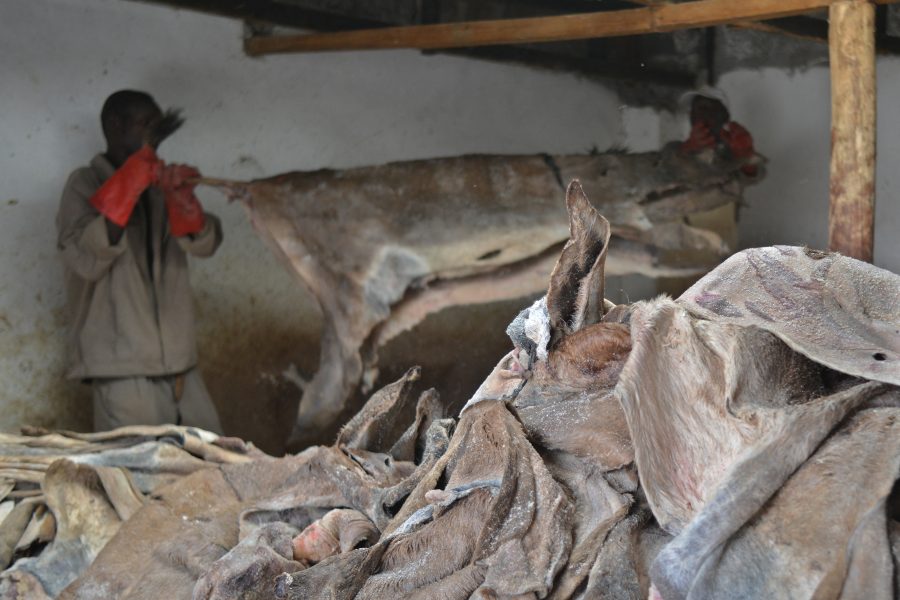
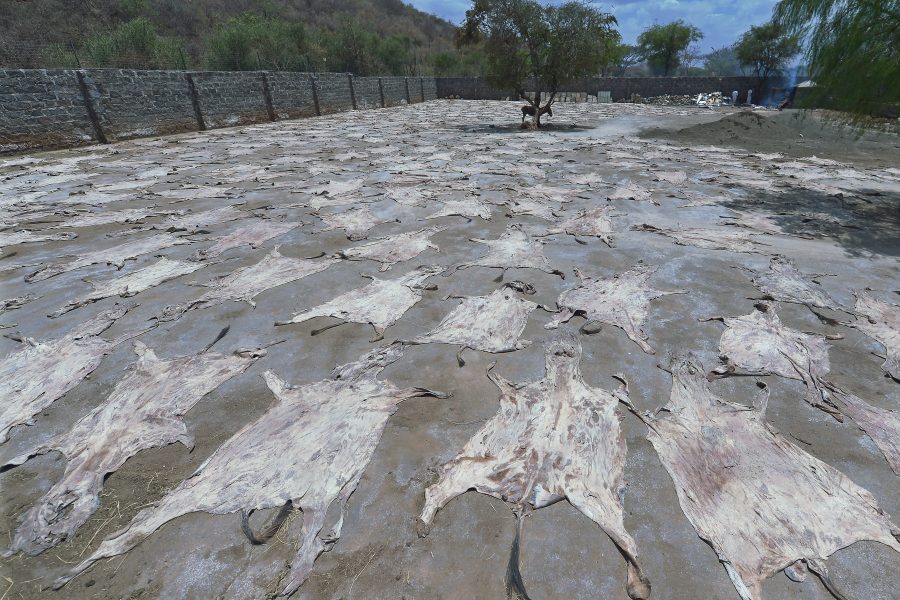
Just recently, in February, the African Union, including Morocco, banned the slaughter of donkeys for their skins, which, while hailed as a milestone for protecting Africa’s donkeys, many stress the need for increased vigilance against illicit smuggling and slaughter within the continent.
A Reuters investigation revealed a donkey trade route across Africa, with animals sourced from Morocco and trafficked through Algeria, Mali, and Niger before reaching slaughterhouses in Nigeria, where their skins are destined for the Chinese market.
But Jarjeer’s local inquiries into the speculations of an illicit trade in Morocco have hit a wall. They have found no leads on who’s running it, how they’re doing it, or even if it’s actually happening.
But for Sté, “whenever there is a flame, there is a fire,” and yet resources are stretched thin, and current issues that face donkeys locally – including abuse, abandonment, and mutilations- have left them unable to dedicate manpower to investigating the smuggling ring.
Morocco is estimated to have around 700,000 donkeys, according to Mohamed Belmou, president of an association in Beni Ammar Zerhoun that hosts a yearly donkey pageant. Belmou admits this is a personal guess, and he told Hespress English that no national program for counting donkeys exists.
He estimates a 30% decline in donkey population in recent years, likely due to lawful exports focused on Europe, though the extent of China’s involvement remains unclear.
Morocco doesn’t explicitly prohibit the export of donkeys, and the only mention of Morocco sending donkeys to China comes from a 2017 report by the Risk Analysis firm Global Risk Insights and media stories that ran in the same year.
Morocco’s Food safety authority, which is in charge of health checks on animals for export, wasn’t immediately available for comment. But Hassan Lamrini, chief veterinarian of Spana, a center for working animals in Marrakech, says Morocco does not export donkeys to China based on his discussions with ONSSA officials—although he admits rumors of the illicit trade do exist.
“ These rumors largely exist because the international reports on donkey trade in Africa are quite broad. They mention Morocco alongside other countries, which can be misleading, but when we speak to these organizations, they can’t give us anything concrete on Morocco,” Lamrini told Hespress English.
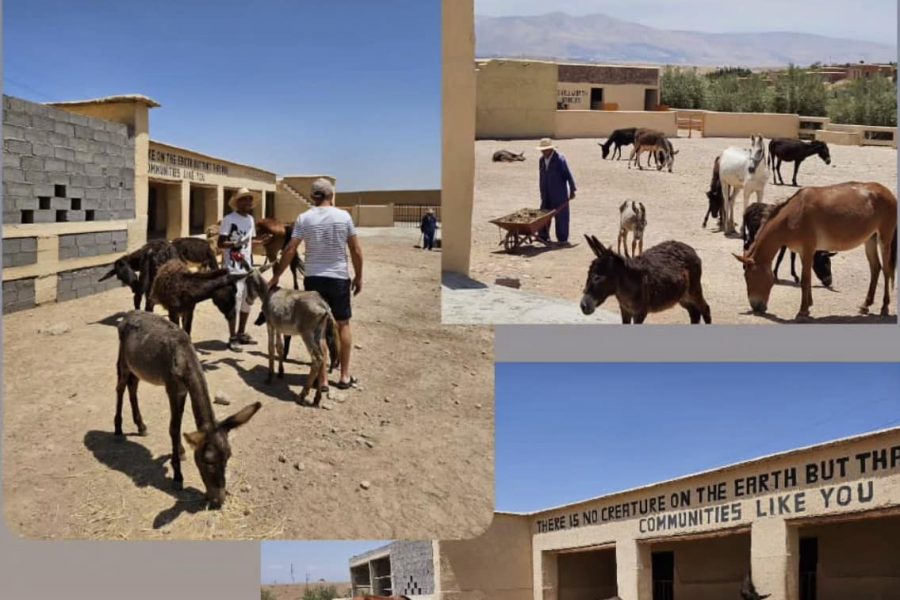
For Sté, regardless of whether these rumors are true or not, they must be diligently investigated. “ We have to protect these animals. We can’t allow them to be smuggled and slaughtered and used for their skin.”






add your comment
Terms of publication : Not to offend the writer, people, sacred things, or attack religions or the divine self, and refrain from racist incitement and insults.