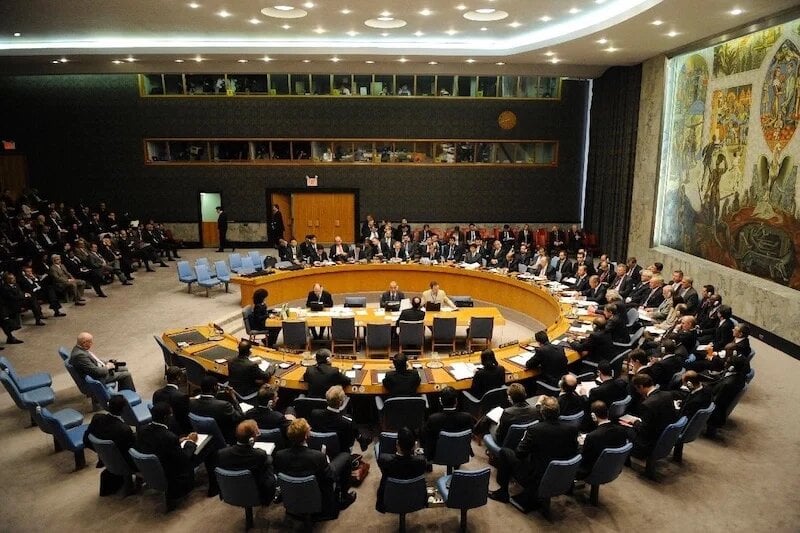
Security Council meeting of the United Nations focusing on terrorism kickstarted on Thursday with a sad reminder of the harm that the ongoing menace poses to world peace.
Announced on the UN’s page on December 15, the meeting was chaired by India’s External Affairs Minister, Dr. Subrahmanyam Jaishankar.
The minister invited participants to stand and hold a minute of silence for victims worldwide.
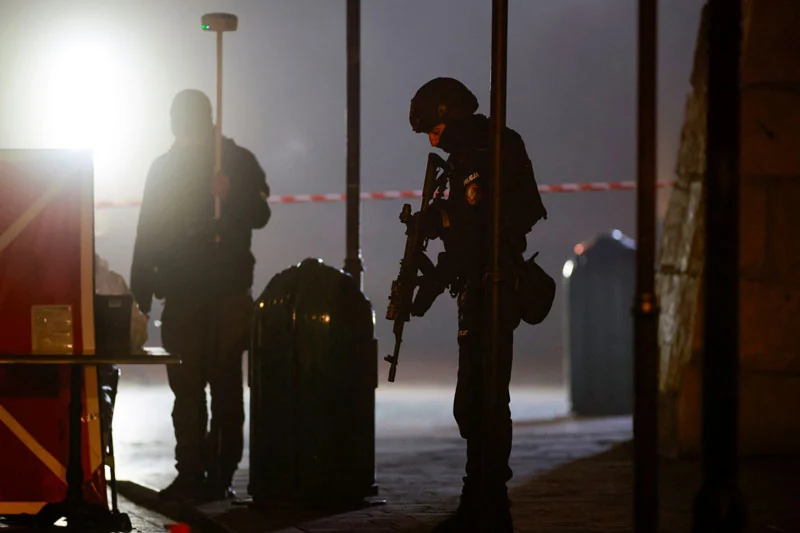
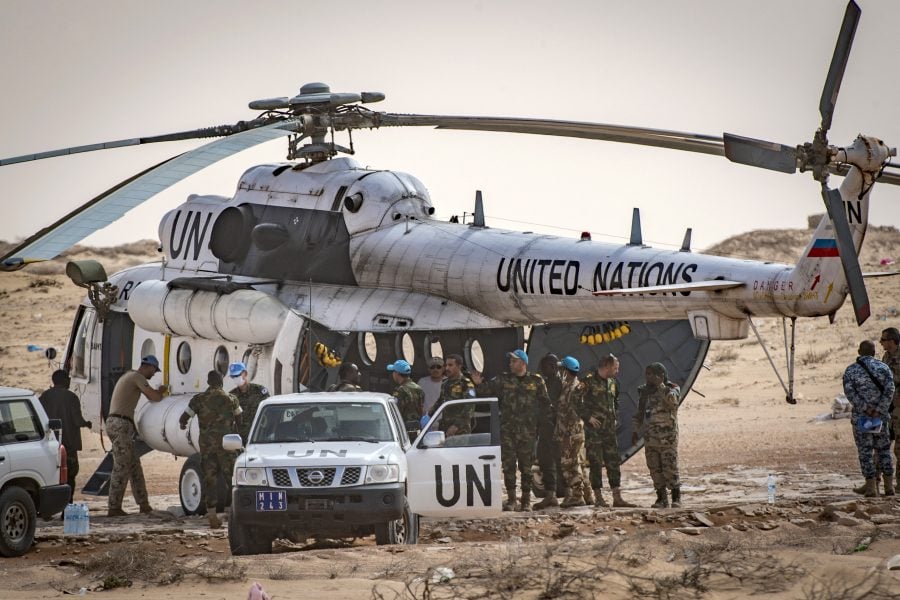
An Irish peacekeeper working for UNIFIL (United Nations Interim Force in Lebanon), the UN mission in Lebanon, is among the victims. He was shot and killed the night before. Three more were hurt, one of them critically.
Vladimir Voronkov, head of the UN Office on Counter-Terrorism, stated that in addition to the Council’s continuing focus, the worldwide threat posed by terrorism calls for a fresh collective strategy.
“Despite continuing leadership losses by Al-Qaida and Da’esh, terrorism, in general, has become more prevalent and more geographically widespread, affecting millions worldwide,” said Voronkov.
He explained that especially in regions like West Africa and the Sahel, where the situation is still critical, these groups and their affiliates have persisted in taking advantage of instability, fragility, and violence.
Along with other places on the globe, their efforts have exacerbated the security situation in Central and Southern Africa, declared the UN official.
Terrorist organizations are still present in Afghanistan, where they continue to provide grave hazards to the surrounding area and beyond.
Terrorists are “adapting opportunistically”, said Voronkov. “They are resorting to illicit financing methods and other criminal activities, making it difficult to produce a coordinated international response.”
A surge in terrorist acts motivated by racism, xenophobia, and other types of intolerance, as well as attacks committed in the name of a particular faith or belief, further sparked his worry.
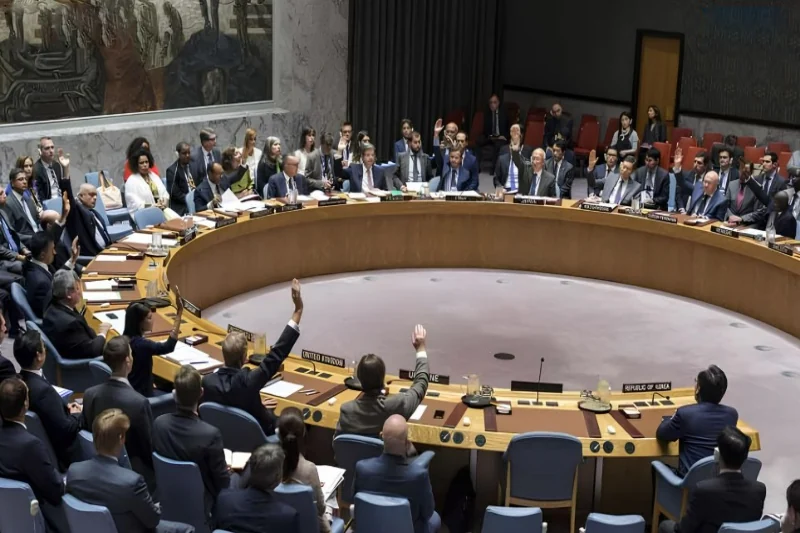
The council pledges international support and appeals for actions to be taken.
The most effective approach to combat terrorism, according to Simon Coveney, Ireland’s foreign minister, is to prevent it by addressing the many complicated issues that contribute to it.
Members reiterated their unwavering solidarity with victims of terrorism and nations that have experienced terrorist acts while emphasizing the need to advance and defend their rights, notably those of women and children.



add your comment
Terms of publication : Not to offend the writer, people, sacred things, or attack religions or the divine self, and refrain from racist incitement and insults.