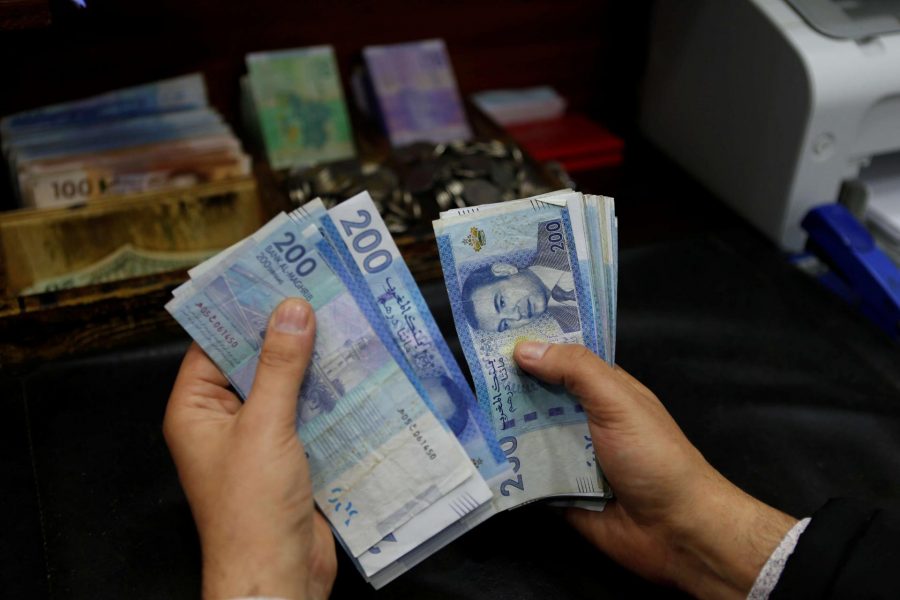
In light of successive economic crises that have afflicted the world, especially developing economies, the World Bank is calling for “increasing public financial revenues in times of crisis.”
The Group is recommending two routes as part of a joint analysis published on the World Economic Foundation’s website.
Kimiao Fan, Director of Strategy and Operations and Director General of Development Policy and Partnerships at the World Bank Office, and Marcelo Stefau, Director General of Macroeconomics, Trade and Investment Global Practice, contributed to the output.
The analyst called on developing countries to “reform tax incentives and tax support.”
This measure should be implemented in parallel with “improving the ability of these countries to mobilize resources efficiently and in an optimal manner,” in order to “restore their ability to continue bearing the burdens of public finances and debts.”
The World Bank’s vision, according to the two experts, is that “better and more equitable mobilization of revenues is crucial to achieving more inclusive, resilient and sustainable growth.”
The experts stressed that the global financial institution, headquartered in Washington, renews its “strong commitment to support the countries concerned in this in achieve these goals.”
They asked: “How can developing countries reduce these large financing gaps and create much-needed fiscal space ? Especially with the increase in interest rates on debt financing?”
In their attempt to answer these timely questions, the two World Bank officials said that mitigating the effects of high energy and food prices, in the current circumstance, “pushed many countries to apply or increase subsidies.”
This is the case for Morocco, which had to increase the budget allocated to the subsidies fund, in addition to distributing direct financial aid to the most inflation-stricken sectors such as transportation.
However, “subsidies are often not well targeted,” said the experts, explaining that “half of the total spending on energy subsidies in low- and middle-income economies goes to the richest 20% of the population, who consume a large proportion of energy.”
The World Bank experts pointed out that “cash transfer programs (direct support to individuals or families) are more effective in reaching the most vulnerable groups, as 60% of spending on these transfers goes to the poorest 40% of the population.”
The same source warned of negative repercussions resulting from the Ukrainian war and the effects of the COVID-19 pandemic on the sharp rise in food, fertilizer and energy prices.
Pointing to the contribution of the successive crises, they say this contributed to “high levels of inflation and high interest rates, as well as the risks of inflationary stagnation.”
Globally, the World Bank’s analysis recognized that “rising food and energy prices have led to increased risks of food insecurity, malnutrition and hunger, which weaken the world’s poorest people.”
Underprivileged families have already borne the brunt of the pandemic, with vulnerable families also facing “the biggest setbacks in the health and education sectors,” they stated.
“Long-term challenges, particularly due to climate change and demographic changes, are becoming more urgent, and their economic and public financial impacts are becoming more prominent.”
Especially with the world entering a distinct demographic stage through exceeding the threshold of 8 billion people, the analysis adds.
The Work Bank experts concluded that “multiple crises have led to significant losses in treasury revenues in many developing countries.”
These loses, they say, raise “additional financing needs to mitigate the negative effects on vulnerable households and companies, and public finances of most developing countries witnessed a further deterioration.”





add your comment
Terms of publication : Not to offend the writer, people, sacred things, or attack religions or the divine self, and refrain from racist incitement and insults.