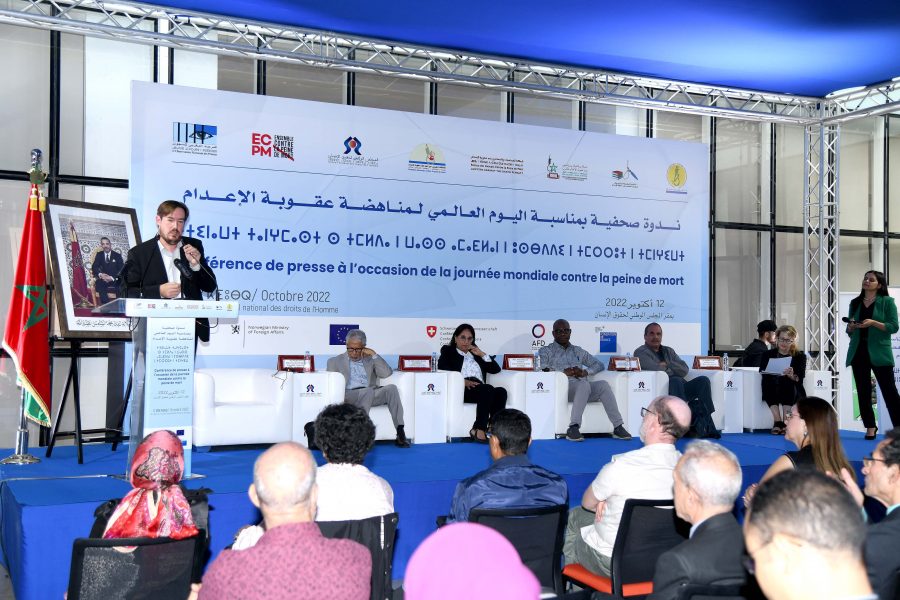
On the 20th world day against the death penalty, the Moroccan National Council of human rights (CNDH) shared testimonies from convicts with death sentences.
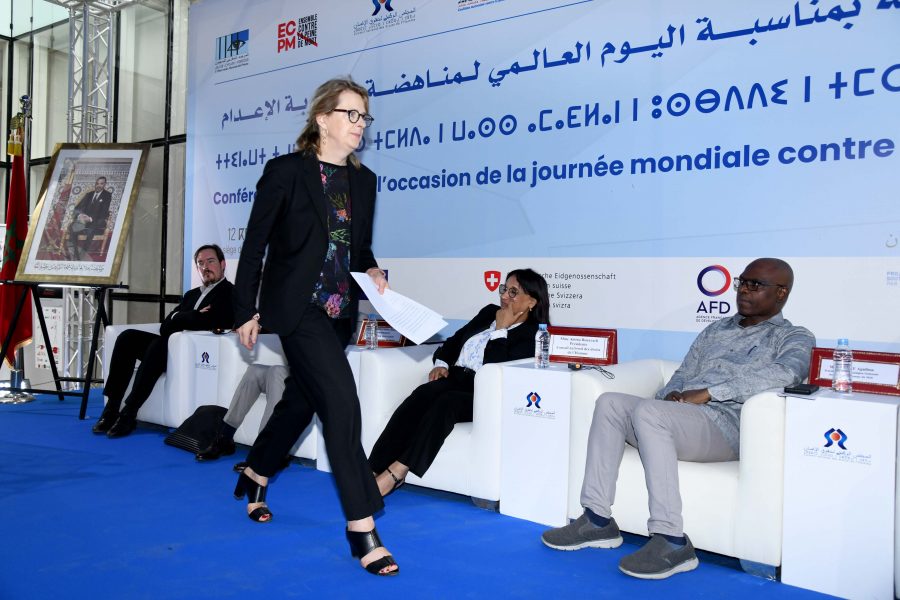
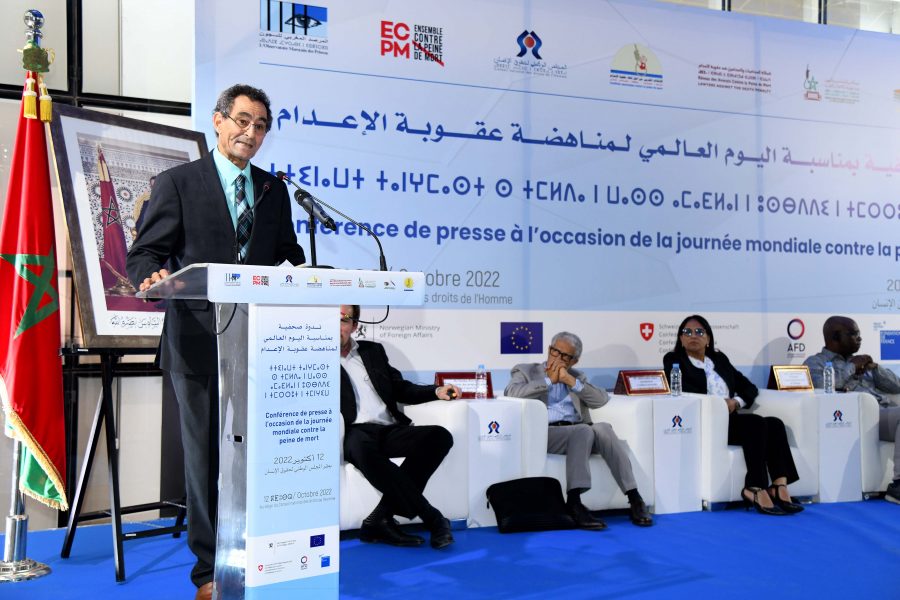
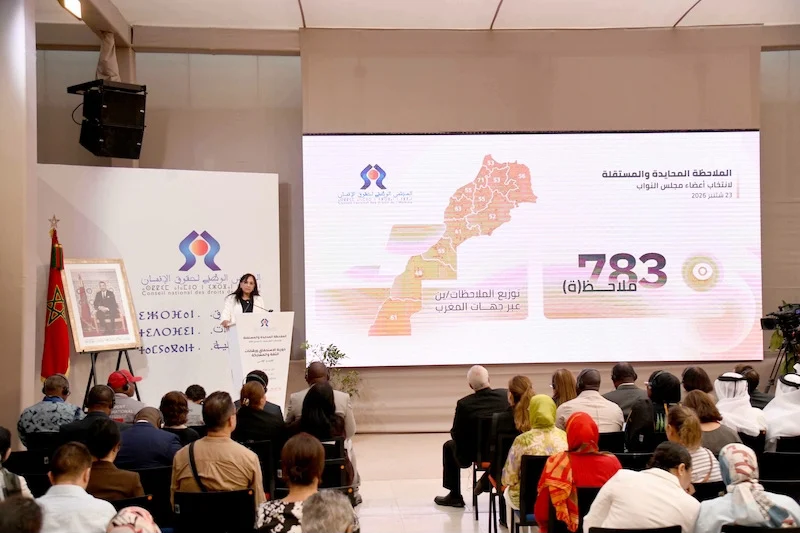
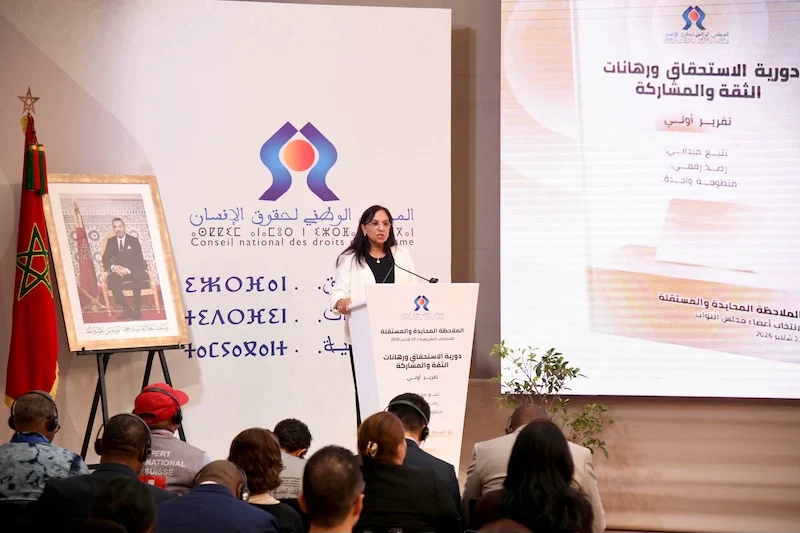
CNDH organized a conference in Rabat to advocate for the abolition of the death penalty, under the slogan “The death penalty: a road paved with torture.”
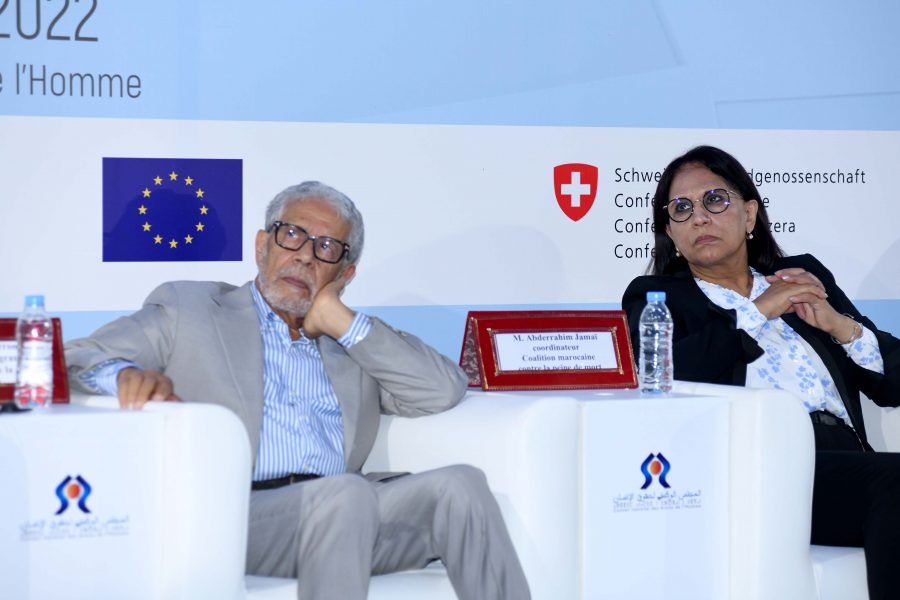
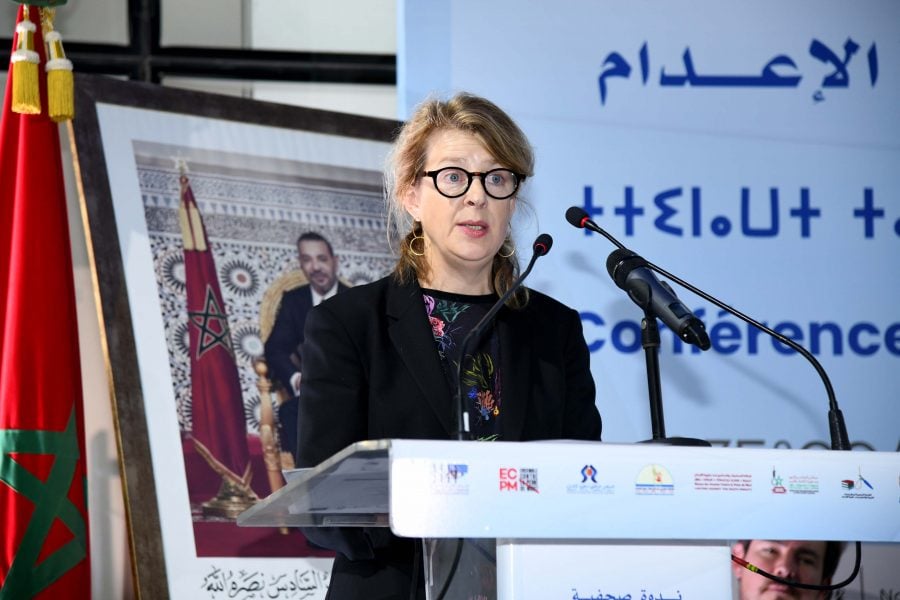
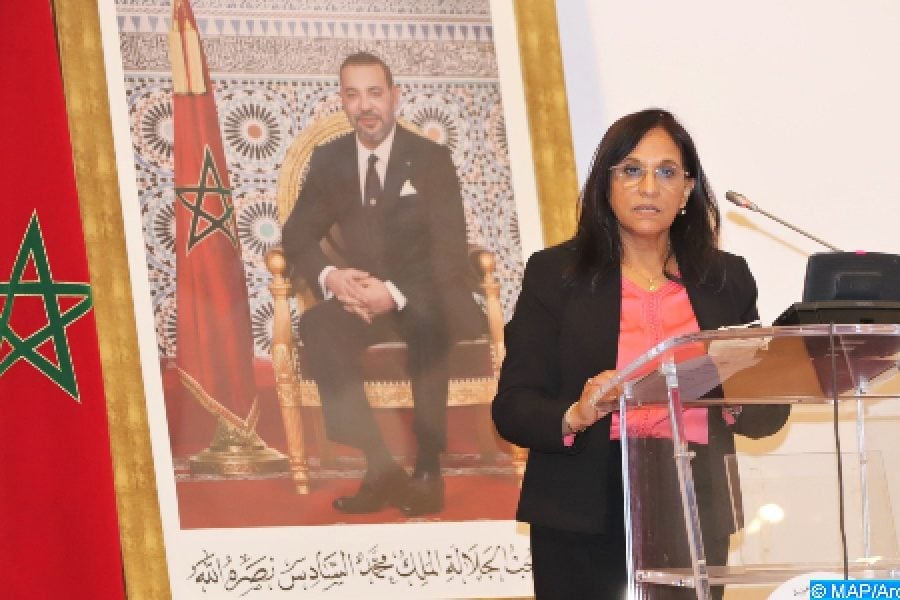
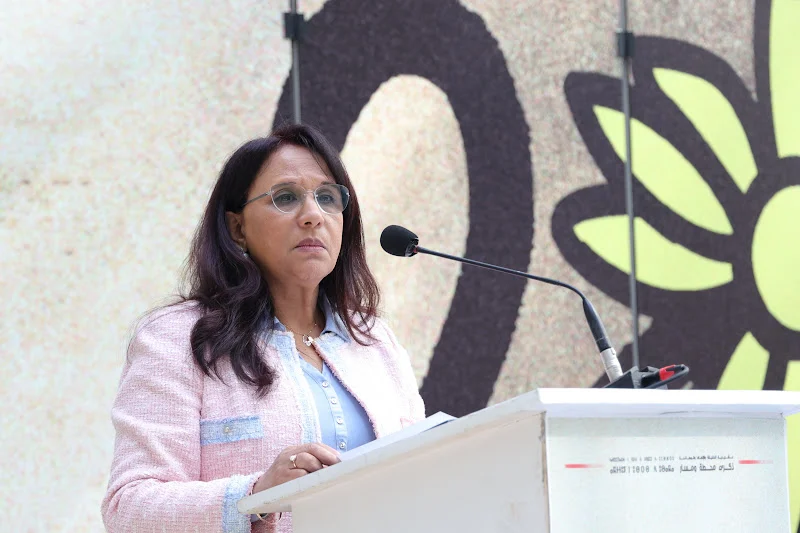
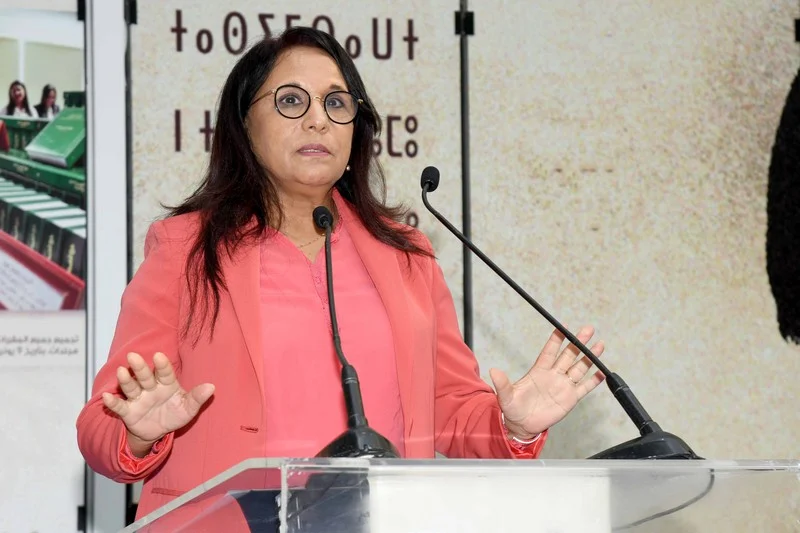
Amina Bouayach, President of CNDH said during the conference that voting in favor of the UN resolution of a moratorium on the use of the death penalty next December will be a step in our society’s path to the final abolition of the death penalty.”
She said that there is no Moroccan societal specificity to support death penalties which is why it’s about time to stop this sentence.
The occasion brought together parliament members, lawyers, journalists, and professors to fight for the same cause.
CNDH published testimonies of a number of death penalty convicts, with the aim of informing the public of the conditions of the convicts that are subjected to fatal punishment.
To be able to afford to make phone calls, a 79-year-old prisoner told the CNDH that he sells his food portions.
He was sentenced in 2006 in the city of Nador, for the following charges: a premeditated murder of five people, atrocities against the victims, premeditated murder of three people, disobedience and insulting employees while carrying out their duties, and threatening them with a firearm, attacking someone else’s home, and killing without intending to do so.
The other charges are attempting to kill gendarmes and detaining and imprisoning two people without permission from the authorities.
He was held accountable for all the charges against him.
His crimes were personal, he killed his own brother for interfering in his marital relationship and for “paying someone to assassinate him.”
“It was a Saturday and my brother was in the market, so I went towards him and killed him with a rifle that I had, which I got from a traditional craftsman. I would have died in the open for animals to feed off my dead body without even having a funeral, and no one would know about me, but thank God anyway, this is my destiny,” the prisoner said.
His wife was also involved in the act; she killed his two nephews aged five and six years old.
“I suffer from many health and psychological problems, especially at the level of my back, which hurts a lot, and I also suffer from a loss of appetite. Most of the time I just sit in my cell in front of my TV, and I rarely walk around the prison. I go out to the space to walk sometimes, but I am more comfortable in a lying position, due to my back condition,” said the prisoner.
He explained that he doesn’t get any financial support which is why he sells his food portions in order to buy things in prison.
He said that the prison administration treats him well.
“As for my relationship with the rest of the prisoners, no one helps me here. I am the oldest among them; most of them are between thirty and sixty years old.”
The 79-year-old prisoner hopes that the death sentence will change or that he gets a royal pardon.
In a press release, CNDH said that the issue of the abolition of the death penalty has occupied a wide space in the international human rights scene, in light of the progress made by the efforts to abolish this penalty.
“It is positive that Morocco is working to engage in the option of abolition, especially after its voluntary choice, nearly thirty years ago, to suspend the execution of the death penalty,” said the press release.
So far, more than two-thirds of countries (144 countries) have abolished the death penalty.
The number of countries that have ratified the Second Optional Protocol to the International Covenant on Civil and Political Rights, aiming to abolish the death penalty, has reached 90 now, while 33 out of 57 OIC (Organisation of Islamic Cooperation) member states have abolished or committed to stopping executions.




add your comment
Terms of publication : Not to offend the writer, people, sacred things, or attack religions or the divine self, and refrain from racist incitement and insults.