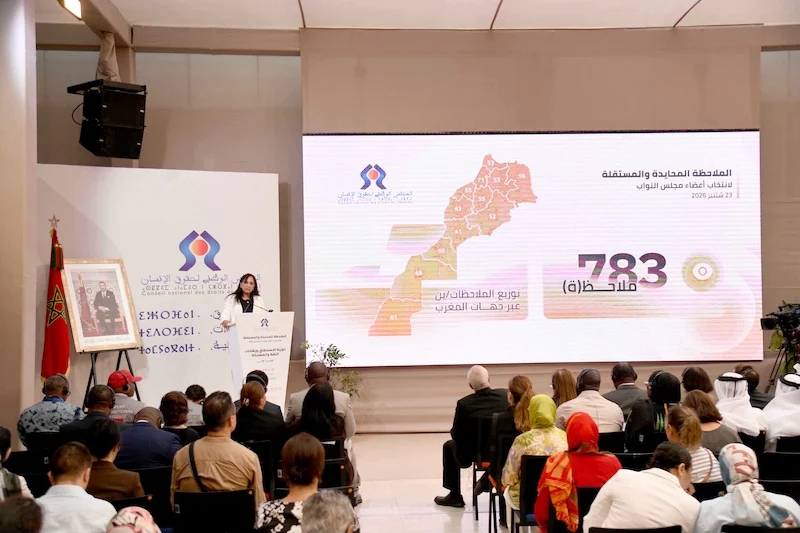
Morocco’s National Human Rights Council said Thursday that the 38% turnout recorded in the 2026 legislative elections should prompt elected and executive institutions to reassess their engagement with social and everyday concerns and examine public confidence in the electoral process.
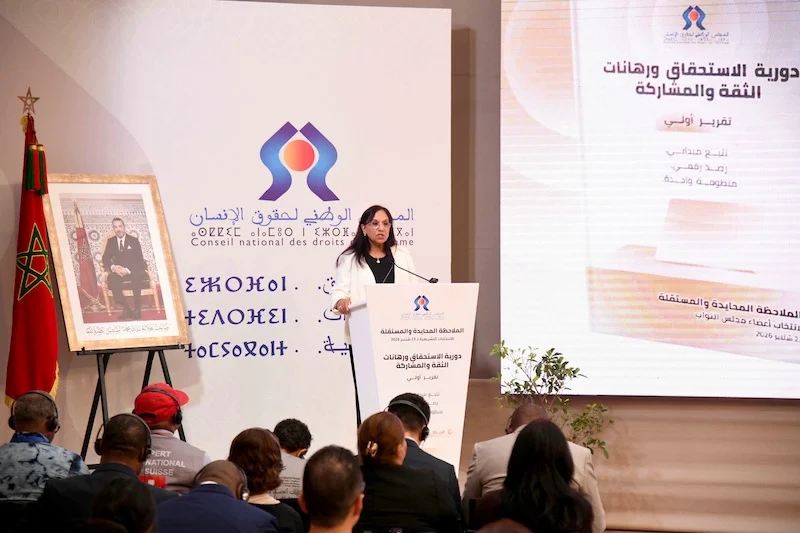
CNDH President Amina Bouayach said the turnout rate should serve as a warning to elected institutions and encourage them to review their activities, political discourse and working methods.
“The electoral participation rate is not limited to its numerical dimension,” Bouayach said at an official meeting. She said it also reflected confidence in institutions, voters’ perception of the usefulness of casting ballots and the ability of political actors to respond to the expectations of different segments of society.
Bouayach said differences in participation among young people and women, as well as between regions and local areas, raised questions about equal access to political participation and the conditions available for exercising that right.
She said the assessment of the parliamentary elections should combine recognition of the regularity of elections with efforts to broaden participation, strengthen confidence and reduce disparities in political representation and engagement.
The CNDH said it collected more than 11,000 observation forms throughout the different stages of the electoral process, generating more than 550,000 responses for assessment and analysis.
Its observers covered 733 of Morocco’s 1,538 municipalities, including 542 rural municipalities and 191 urban municipalities and districts, across 82 provinces and prefectures. The observation also included areas affected by the High Atlas earthquake, regions that had experienced protests over social and economic issues, and areas previously affected by floods.
The council had set a minimum observation target of 3,915 polling stations out of 40,700 nationwide, representing 8.9% coverage. It said the rate exceeded the international benchmark of between 3% and 5%.
Election day
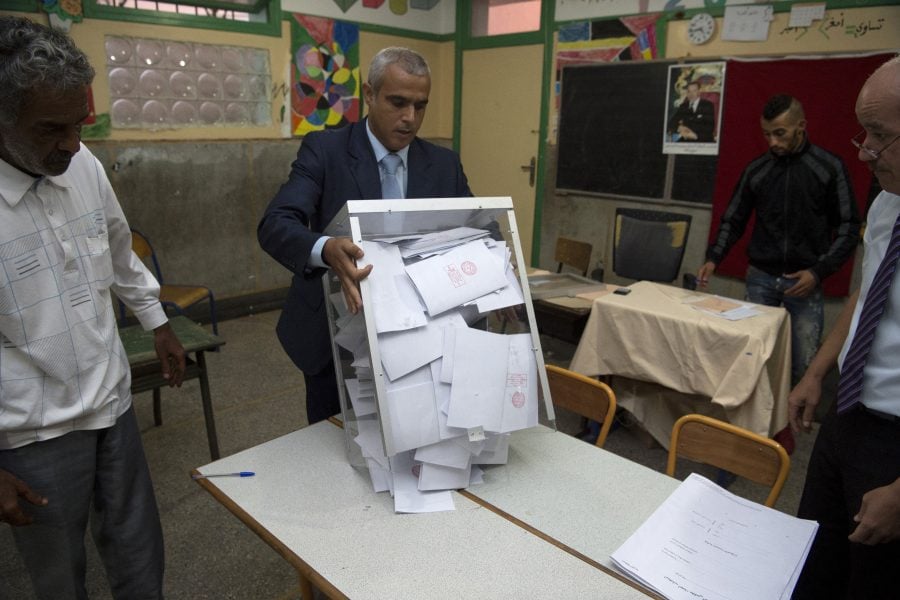
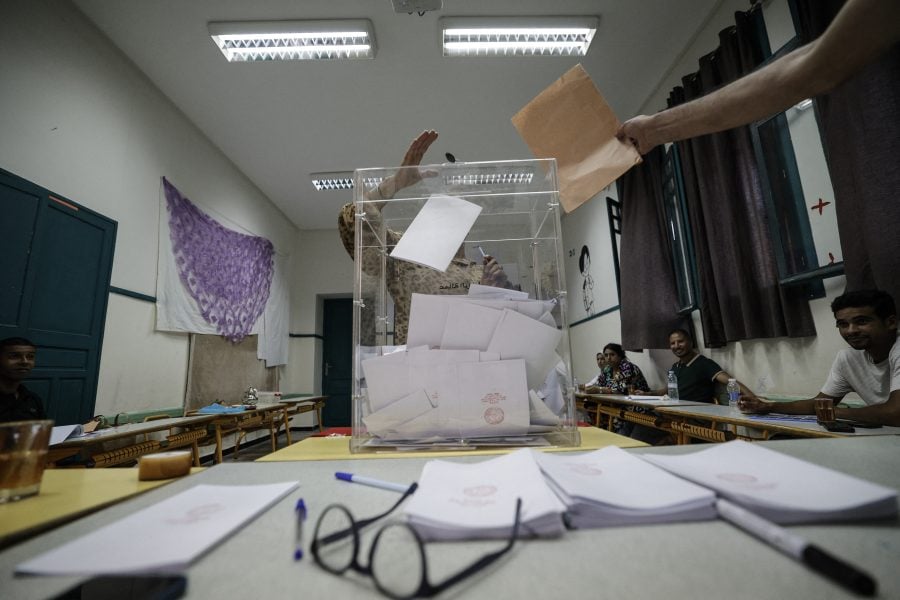
The council said information collected from the 3,915 polling stations visited by its observers and 1,644 stations visited by international observers indicated that voting generally took place under normal conditions, with some disputes and arguments that did not affect the process.
The council identified two exceptions at polling stations 84 and 87 at Jerusalem School in Tangier, where its observers and international observers reported two cases they described as affecting electoral integrity.
The CNDH called for the findings of investigations into the voting process to be made public and said it would submit its report to the Office of the Public Prosecutor to support the investigations.
The council also reported that some of its observers were prevented from entering polling stations and that three international observers were prevented from accessing a vote-counting station in Tangier.
Social pressures and youth participation
Bouayach said the social and economic context was a major factor shaping the 2026 elections, with employment, purchasing power, health care, education, the quality of public services and regional disparities among the main concerns identified by the council.
She said the situation of young people was particularly significant, given difficulties faced by some in accessing employment, achieving economic independence and participating in public life.
The council also noted that legal provisions intended to encourage young people to run on independent lists had not been implemented. At the same time, the presence of candidates under 35 increased, although unevenly across regions, on party lists. The council recorded two independent lists.
During the campaign, observers did not record what Bouayach described as administrative authorities showing favoritism toward a particular party or list.
The council did, however, report limited participation by people with disabilities, both as candidates and in campaign activities.
Public property and other campaign violations
Field observation forms recorded a range of campaign violations across Morocco, the council said.
The most frequently recorded violations involved the destruction of campaign posters, putting posters outside designated areas, verbal violence, occasional physical violence and disruptions during campaign marches.
Observers also recorded the use of public property, religious or national symbols, money or gifts, as well as violence associated with calls to boycott the elections.
The CNDH said these violations collectively accounted for less than 3% of the data collected and analyzed during its observation of the campaign.


add your comment
Terms of publication : Not to offend the writer, people, sacred things, or attack religions or the divine self, and refrain from racist incitement and insults.