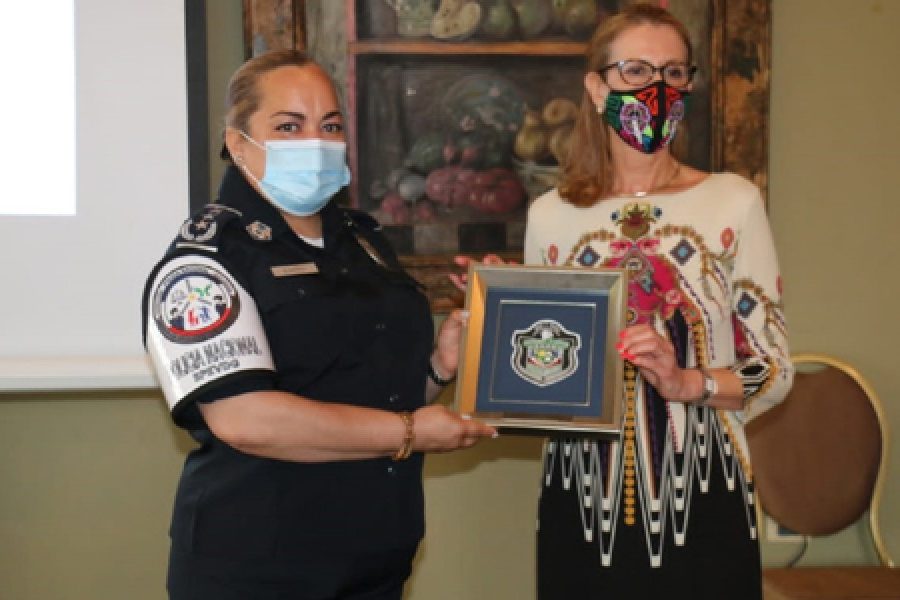
Moroccan women have conquered their rights in respect of their identity reference and international conventions and pacts ratified by the Kingdom, Morocco’s Ambassador to Panama Oumama Aouad said.
Speaking at the opening of a seminar on “the empowerment of women,” held in celebration of International Women’s Day, the diplomat outlined the advances of Moroccan women’s rights which are inspired by a long tradition, citing many examples of remarkable women who have marked the national history such as Fatima Al-Fihria, who founded Al Qarayouine, the first university in the world and one of the most prestigious institutions in the Arab-Muslim world.
Aouad also cited the example of late Princess Lalla Aicha, the first Moroccan woman to be the Kingdom’s Ambassador to the world most influential capitals, who opened the door to an increasing number of Moroccan female diplomats, the ambassador said in an address entitled: “The empowerment of Moroccan women: progress and challenges.”
“If today Moroccan women enjoy their rights, it is thanks to the firm will of His Majesty the King, Who responded to the expectations and legitimate demands of women who have fought tirelessly for decades,” the ambassador was quoted as saying in a press release by Morocco’s diplomatic representation in Panama.
These rights are fully enshrined in the Constitution of 2011 and “place the Moroccan woman in the vanguard of the Arab-Muslim region,” she added.
On women’s vital role in nowadays society, the diplomat noted the Moroccan women have made their mark in all professional areas where they work with brilliance and pride.
These successes are the result of the combined efforts of the State, under the leadership of HM King Mohammed VI, through public policies and laws for the promotion and protection of women’s rights, and the heroic struggle of Moroccan women.
Held by Panama’s national police, the virtual seminar was attended by policewomen, diplomats and figures from different backgrounds, said the statement.









add your comment
Terms of publication : Not to offend the writer, people, sacred things, or attack religions or the divine self, and refrain from racist incitement and insults.