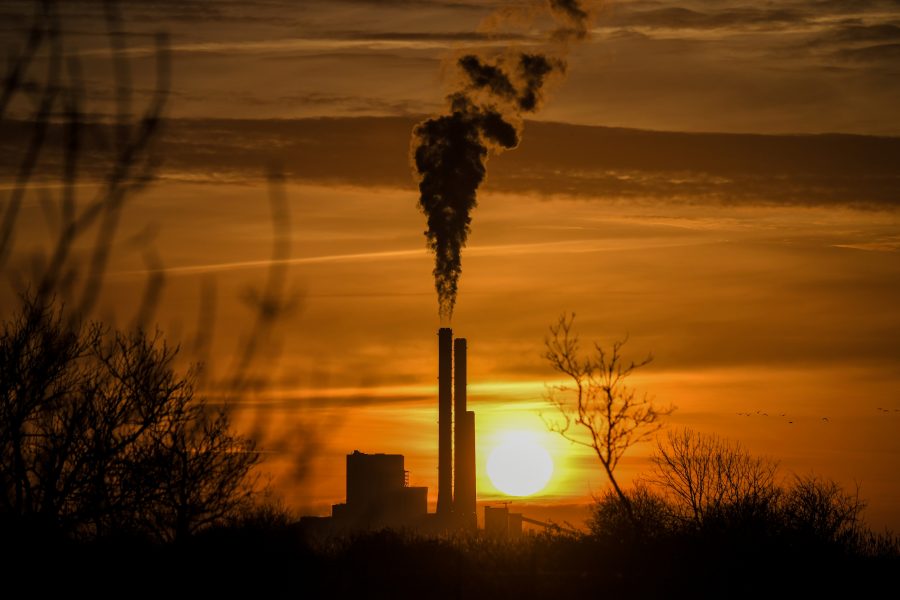
Environmental deterioration and climate change are viewed by the majority of MENA citizens as a serious cause for concern, find the Arab Barometer, with 64% of surveyed Moroccans expressing worries about the crisis.
A largely water-scarce region, Middle East and North African (MENA) residents are highly concerned about climate deterioration, as man-made climate change “threatens precipitation cycles, food supply, public health, and more,” in a region that is already one of the most water-scarce in the world.”
In Lebanon, nearly eight-in-ten respondents cite climate change as a serious or very serious problem (79%), and roughly seven in ten say the same in Algeria (71%), Sudan (69%), Jordan (69%), Palestine (68%), and Tunisia (68%).
However, rates of concern drop in Morocco (64%), Libya (63%), Egypt (62%), Iraq (58%), and Yemen (57%).
Interestingly, across all countries surveyed, “citizens cite greater rates of concern about water pollution, air quality, and trash than they do about climate change,” says the Arab Barometer.
This disparity is “most salient when comparing views on climate change to opinions about water pollution,” as while nearly all Iraqis consider water pollution a serious or very serious problem (97%), they also exhibit some of the lowest rates of concern about climate change.
Yet in Iraq, “climate change has contributed significantly to the country’s water challenges, such as rising temperatures that dry up water sources, not only exacerbating water scarcity but also making bodies of water shallower and more susceptible to pollutants,” which some experts link to low awareness about the broader effects of climate change.
One potential explanation lies in “the challenge of conceptualizing abstract concerns like climate change,” as compared to air quality and water pollution, whose effects might appear “more tangible” to ordinary citizens.
Climate change affects not only the environment, but the economy as well, points out the Arab Barometer, as the majority of MENA publics consider the economy to be “the greatest challenge facing their country.”
Therefore, clarifying the effects of climate change on the economy is crucial for increasing climate engagement among ordinary citizens in the region, estimates the report, citing the World Bank’s projections that “MENA will be one of the regions hit hardest by economic losses from climate-related water scarcity as growth rates decline by as much as 6% of GDP by 2050.”






add your comment
Terms of publication : Not to offend the writer, people, sacred things, or attack religions or the divine self, and refrain from racist incitement and insults.