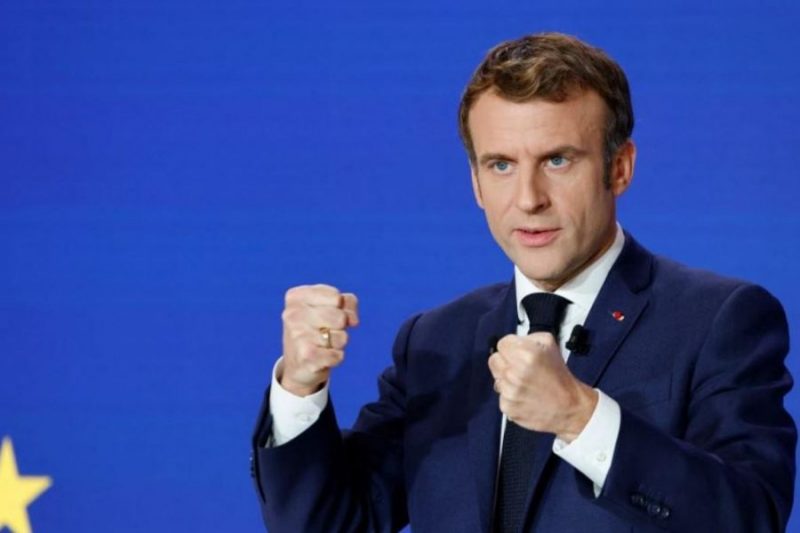
France took over, as of this Saturday, the presidency of the Council of the European Union for the next six months, from January 1st to June 30, 2022.
During this presidency of the EU, which is taking place in the circumstances related to the new COVID wave as well as the spread of the Omicron variant across countries, President Emmanuel Macron, whose country will be in charge of bringing together the bloc’s twenty-Seven members, unveiled on December 9 his priorities for this French presidency, including the relaunch, power, and belonging.
Macron intends among other things to launch a reform of the Schengen area as well as regulate the digital use, in addition to achieving climate goals with carbon taxation, and rebuilding relations with Africa.
The country also intends to adopt strategic orientations of the European Union’s common security and defense policy.
In terms of defense, France will have to pursue the issue of EU sovereignty in complementarity with NATO, by providing European defense with an ambitious budget by working on the mobilization of the European intervention initiative with the 13 member states in order to strengthen the Takuba Task Force, aiming to fight terrorism in the Sahel region as well as speeding up enhanced cooperation in this field.
In the economic sector, France aims to advocate, during its presidency of the EU, for “a new growth model”, by combining economic development and sustainable development goals.
France’s presidency of the EU aims as well to strengthen the relationship with Africa, as a priority for the French presidency because of its outcome for the peace of Europe, said President Emmanuel Macron.
Previously, Slovenia held the presidency of the EU’s council from July 1st to December 31, 2021, and right before, Portugal was in charge of the presidency from January 1st to June 30, 2021.






add your comment
Terms of publication : Not to offend the writer, people, sacred things, or attack religions or the divine self, and refrain from racist incitement and insults.