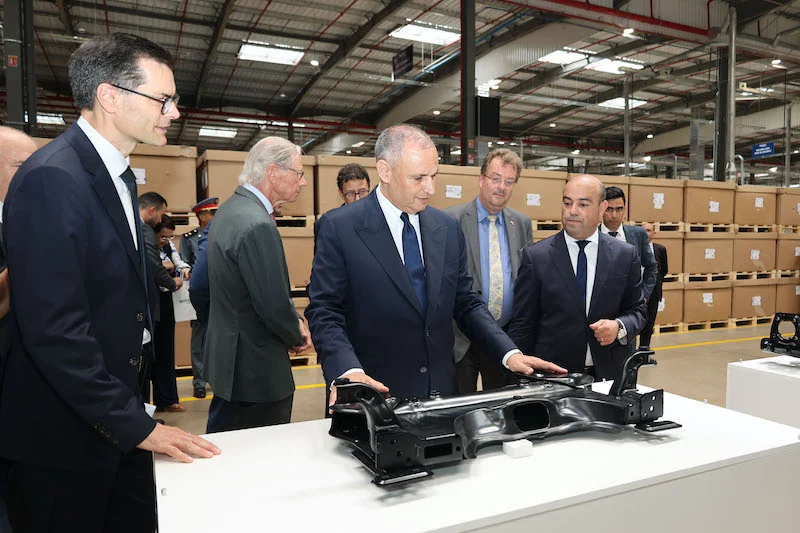
Morocco has urged the European Union to protect established automotive supply chains as Brussels moves to strengthen domestic manufacturing, warning that new industrial rules could divert investment away from Moroccan factories supplying major European carmakers.
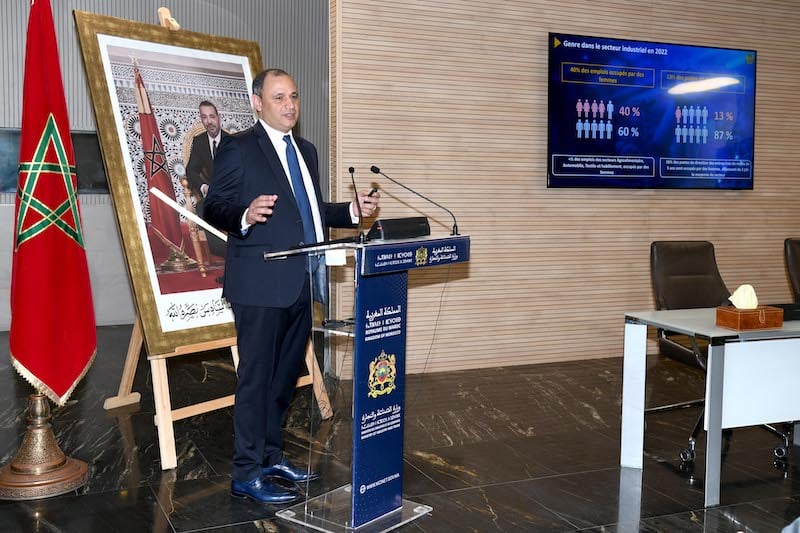
Industry and Trade Minister Ryad Mezzour told Hespress that Morocco understands Europe’s efforts to rebuild manufacturing capacity and protect jobs but believes those objectives should be pursued through cooperation rather than at the expense of industrial partnerships developed over decades.
“Morocco understands Europe’s desire to strengthen its production capacities and protect its industry and jobs,” Mezzour said, stressing that such efforts should preserve jointly established industrial value chains.
His remarks come amid growing Moroccan concerns over the EU’s proposed Industrial Accelerator Act and a Franco-German agreement aimed at supporting European automotive production.
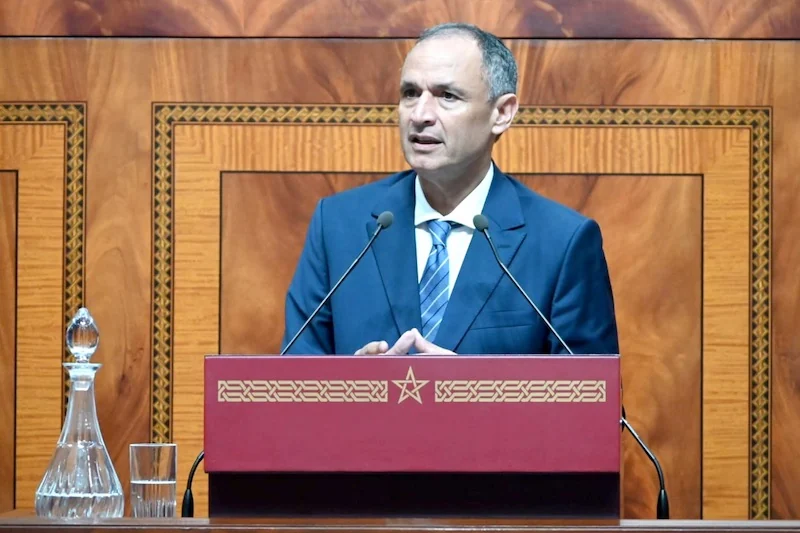
Mezzour previously warned lawmakers that European initiatives encouraging manufacturers to relocate production could threaten Morocco’s competitiveness and redirect investments originally intended for the Kingdom.
He specifically cited discussions around a target of producing 80% of vehicles within Europe, describing the proposed shift as a major challenge for Morocco’s automotive industry.
The EU legislation remains under negotiation, with its eventual provisions and implications for production outside the bloc yet to be determined.
Mezzour said Morocco was pursuing consultations with European partners to ensure that the country’s distinctive position within European automotive supply chains is recognized in the legislation.
Factories operated by Renault and Stellantis in Morocco contribute directly to European manufacturers’ competitiveness, he said, generating economic value on both sides of the Mediterranean.
“Europe is a strategic economic and industrial partner for Morocco,” the minister said, describing Moroccan automotive manufacturing as an integral part of European production networks.
Asked whether Morocco could replace European automotive investment with Chinese capital, Mezzour rejected the suggestion that the country must choose between partners.
He said Morocco would continue diversifying international industrial partnerships, including cooperation with China in electric mobility, batteries, emerging technologies and other future-oriented industries.
The minister also acknowledged that Morocco’s automotive competitiveness has traditionally depended partly on lower production and labor costs than those in investors’ home countries.
European efforts to bring manufacturing back could weaken that advantage, potentially encouraging companies to relocate certain activities.
Mezzour said Morocco’s longer-term response must involve moving beyond its role as a competitive production base toward higher-value manufacturing built around technology, innovation and stronger integration of locally produced components.
The objective, he added, is to develop a Moroccan industrial sector capable of working with multiple international partners while competing independently in global markets.







add your comment
Terms of publication : Not to offend the writer, people, sacred things, or attack religions or the divine self, and refrain from racist incitement and insults.