
Sixty-seven Moroccan migrants from northern cities remain in detention in Libya, where they have been held by the country’s Internal Security Agency for more than a year, according to Hespress AR sources familiar with the case. Their families are calling for intervention to secure their safe and immediate return to Morocco.
Sources in Libya said that the group originally comprised 194 Moroccan migrants held by the agency. Moroccan consular services, in coordination with Libyan authorities, managed to repatriate 100 of them in two separate operations, while some others were released and left independently.
The remaining 67 migrants have been awaiting repatriation for more than a year.
The sources said the detainees had fallen victim to a human trafficking network, adding that the delay in their return was mainly due to the Libyan Interior Ministry’s failure to respond to repeated requests from the Moroccan consular services in Tripoli to initiate the repatriation process.
According to the sources, the procedure requires coordination with Libyan authorities, who must first inform Moroccan consular officials of the detainees’ locations and authorize their repatriation. Consular staff can then visit detention facilities, obtain the necessary travel permits and begin the required administrative procedures.
The sources said delays in granting access to detention centers and the necessary authorizations had stalled the process, warning that the migrants’ prolonged uncertain situation could expose them to renewed exploitation by criminal networks involved in extortion and human trafficking.
Rights groups document abuses against migrants in Libya
A recent report by the Libya Crimes Watch organization and the International Commission of Jurists documented widespread abuses against migrants, asylum-seekers and refugees in Libya, including testimony from a Moroccan migrant who had previously been detained in the country.
The report said migrants and asylum-seekers were forcibly arrested across Libya, abducted, separated from their families and subjected to arbitrary arrest and detention. It also documented transfers, often under threat of firearms, to official, unofficial or unlawful detention facilities, where people were held for prolonged periods and subjected to torture and inhuman treatment.
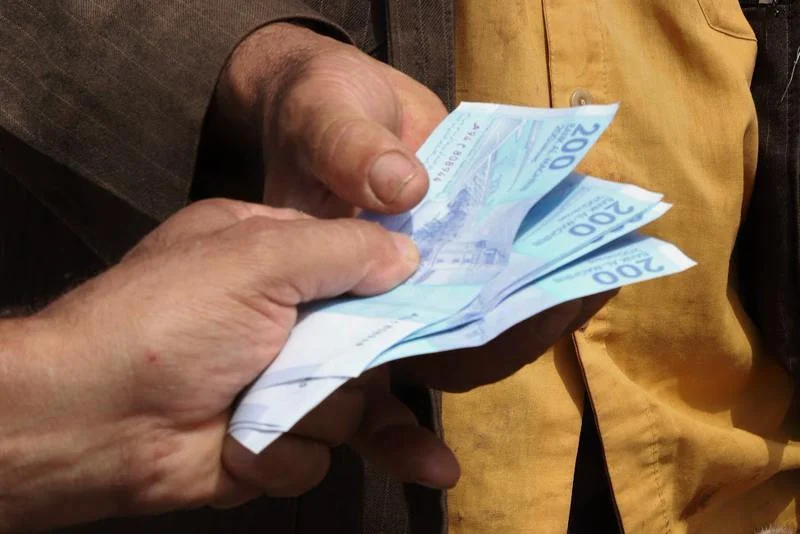
It further described how detainees were forced to pay for their release, while human trafficking networks, sometimes linked to state-affiliated actors, exploited their vulnerability for financial gain.
The abuses documented included forced labor, sexual exploitation, ransom demands, extortion, the sale and transfer of migrants between trafficking networks, and the confiscation of personal belongings and identity documents.
The report also said thousands of migrants were intercepted at sea through dangerous operations and forcibly returned to Libya, which the report noted is considered unsafe for disembarkation by UN agencies and several third-country authorities.
Such returns, it added, perpetuate cycles of exploitation and human rights violations. The report also cited the discovery of mass graves containing migrants’ bodies in southern, eastern and western Libya, warning that further graves may remain undiscovered.





add your comment
Terms of publication : Not to offend the writer, people, sacred things, or attack religions or the divine self, and refrain from racist incitement and insults.