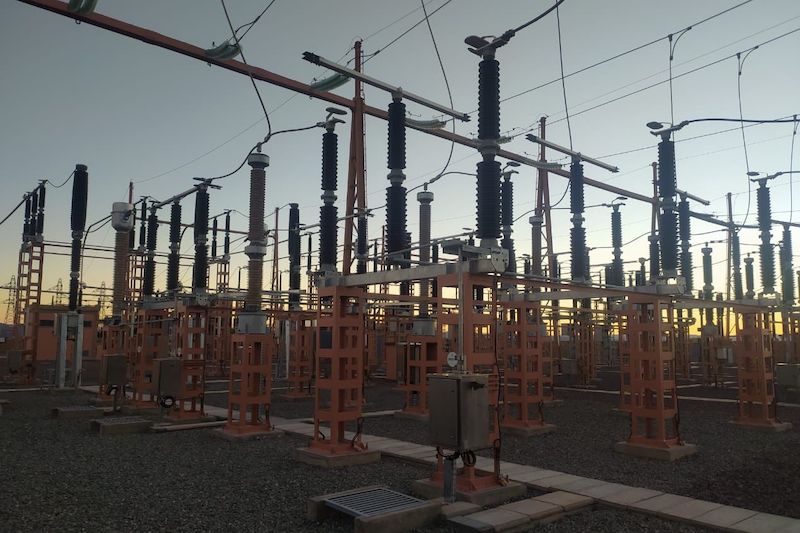
Morocco has raised the value-added tax (VAT) rate applicable to electricity to the standard 20% as of January 1, 2026, as part of a gradual tax reform introduced under the 2024 Finance Law.
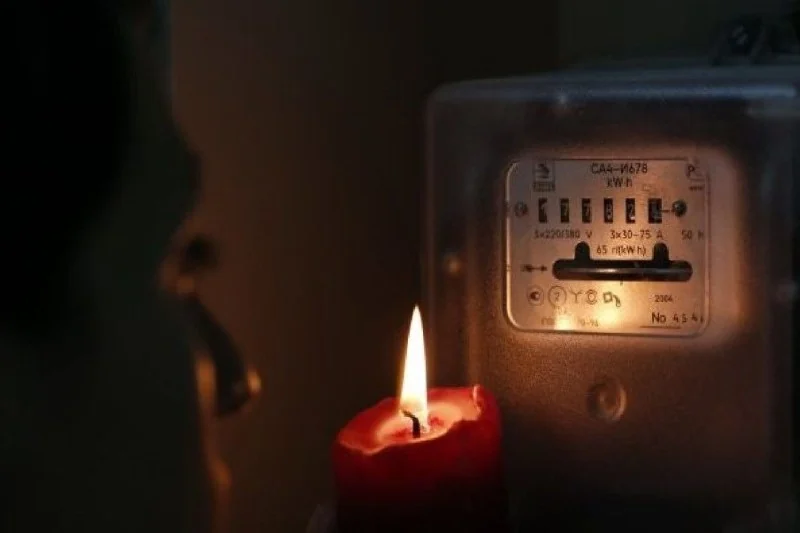
The change affects the tax treatment of electricity but does not result in an increase in the sale tariffs charged to households and businesses, which remain regulated under the country’s existing legal framework, according to the Finance Ministry.
To prevent the higher VAT rate from affecting consumer bills, the National Office of Electricity and Drinking Water (ONEE) has agreed to absorb the financial impact of the tax increase, as well as the cost associated with applying the domestic consumption tax (TIC) to its fuel purchases.
The state has mobilized MAD 6.5 billion to cover the financial impact of these measures over the period from January 1, 2024, to December 31, 2026, under an agreement with ONEE.
The agreement will be updated regularly to ensure that the necessary funding remains available to maintain the arrangement, the Ministry said.
The gradual adjustment of electricity VAT is part of a broader effort to harmonize Morocco’s tax system, while keeping regulated electricity tariffs unchanged for consumers.
The Finance Ministry stressed that the increase in the VAT rate should therefore not be interpreted as an increase in the price of electricity paid by households or businesses.




add your comment
Terms of publication : Not to offend the writer, people, sacred things, or attack religions or the divine self, and refrain from racist incitement and insults.