
Morocco will launch a five-year employment drive in January 2027 aimed at reaching nearly one million young people, many of whom have spent years outside work, education or training, as the government attempts to make headway against one of the country’s most persistent economic problems.
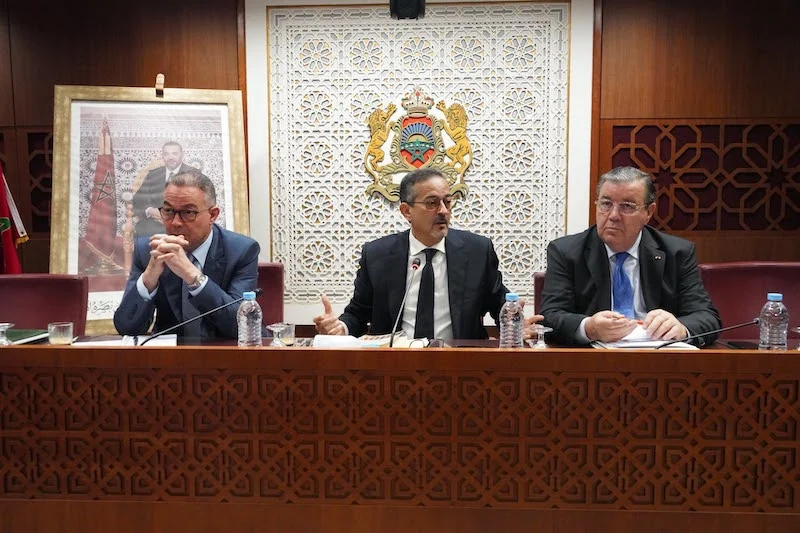
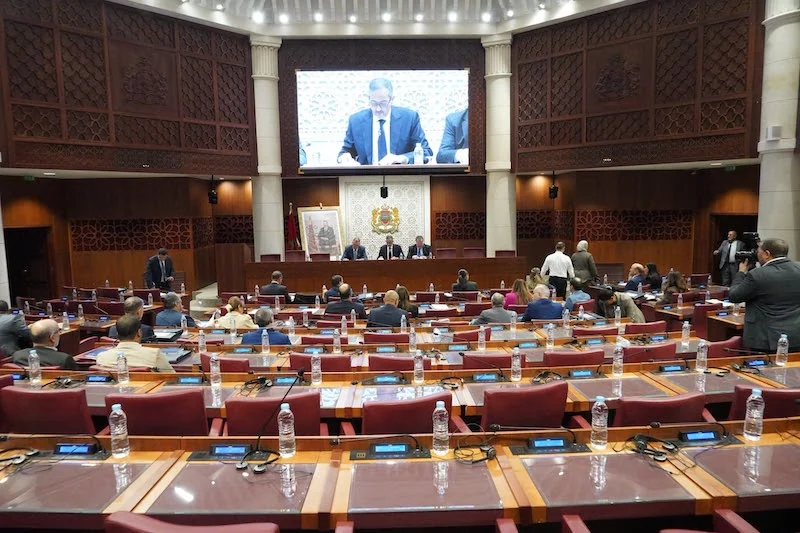
Youth Minister Mohamed Mehdi Bensaid outlined the plan in Parliament on Monday, proposing a combination of first-job contracts, vocational training, business financing and support for young people whose circumstances have left them beyond the reach of conventional employment programs.
The government wants to halve the number of young Moroccans who are neither working nor studying by 2031. The scale of that undertaking is considerable. According to figures published earlier this year by the High Commission for Planning, some 2.9 million people aged 15 to 29 were outside employment, education and training. Nearly three-quarters were women.
Unemployment figures capture only part of this population. Many of those classified as NEET are not actively seeking work, whether because of family responsibilities, limited qualifications, discouragement or other circumstances. Bringing them into employment requires more than creating vacancies, and the measures announced Monday suggest the government recognizes at least some of those difficulties.
A proposed national platform would assess the circumstances of approximately 300,000 young people each year and direct them toward education, training or employment. Participants would receive individual integration contracts setting out the assistance available to them, while efforts to prevent school dropout and bring former pupils back into education would be expanded.
For those seeking qualifications, annual vocational training and apprenticeship capacity would rise from 150,000 to 200,000 places. The government is also proposing 500,000 opportunities for training and retraining in digital occupations, a field it has identified as a priority under its Morocco Digital 2030 strategy.
Yet the difficulty is not confined to young people who lack qualifications. Morocco has long faced the problem of educated jobseekers unable to secure their first professional experience, a gap the government now proposes to address through a program intended to provide first-employment contracts to approximately 500,000 people over five years.
The distinction has particular weight at a time when unemployment among Moroccans aged 15 to 24 reached 30.5% in the third quarter of 2026, according to the HCP, leaving a substantial share of young people unable to find work even among those actively looking for it.
The government is also looking beyond salaried employment. Bensaid announced plans to support the creation of 60,000 businesses through financing, guarantees and incubation services, alongside interest-free loans for young people in rural areas seeking to establish agricultural projects.
The rural component reflects another difficulty in Morocco’s labor market: employment opportunities remain unevenly distributed, while moving to the cities where jobs are concentrated carries costs that can put even an available position out of reach.
A proposed professional mobility passport is intended to ease access to housing for young people relocating for employment. The strategy also includes a decent-work charter, although the announcement offered limited detail on the protections it would establish or how they would be enforced.
Bensaid acknowledged that providing finance was insufficient to ensure a business survived, calling for sustained assistance and monitoring of projects after their launch. The same question of continuity runs through the wider strategy, from the first training placement to the first employment contract and the prospect of remaining in work once the initial support ends.
The government has previously indicated that its broader youth policy for 2027 to 2031 would require approximately MAD 6 billion annually. The program will bring several forms of assistance under a coordinated national framework, though the announced targets do not establish how many people will receive more than one service or how many additional jobs the measures are expected to generate.
A national commission chaired by the head of government will oversee preparations and coordination between the departments concerned. Bensaid said consultations with institutions had already begun and would be followed by national and regional discussions with young people before the strategy’s operational details are finalized.
The government has set a January start for implementation and a 2031 deadline for reducing youth exclusion from employment and education. Between those dates, its central task will be to establish whether expanded access to training, finance and temporary employment can translate into the durable work that successive initiatives have struggled to deliver.



add your comment
Terms of publication : Not to offend the writer, people, sacred things, or attack religions or the divine self, and refrain from racist incitement and insults.