
Morocco’s net electricity imports from Spain increased by 26.6% in October, reaching 494.55 gigawatt-hours (GWh), compared with 390.75 GWh during the same month last year, as the gap between domestic electricity consumption and local production continues to widen.
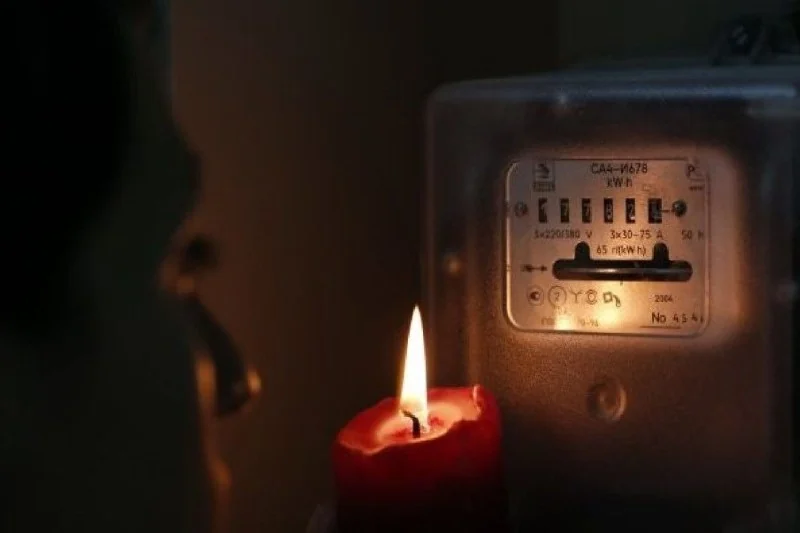
The increase comes amid growing pressure on the country’s electricity supply system and reports of repeated power outages affecting several regions and industrial facilities in recent days.
According to recent data from Red Eléctrica, Spain’s electricity transmission system operator, Morocco’s net electricity imports from Spain reached 4,106 GWh during the first 10 months of 2026, up from 3,074 GWh over the same period in 2025, representing a 33.6% increase.
Meanwhile, Morocco’s electricity exports to Spain fell by 98.9% in October, bringing reverse flows to almost negligible levels.
The data reviewed by Hespress show that Spain exported 494.64 GWh of electricity to Morocco during the month, while electricity flows in the opposite direction amounted to just 90.96 megawatt-hours (MWh).
The figures highlight the growing importance of the undersea electricity interconnection between the two countries in meeting Morocco’s domestic demand, particularly during periods of peak consumption.
The trend comes as electricity consumption in Morocco rose by 8.4% during the first half of 2026, while domestic production increased by only 1.6%. Electricity imports climbed by 34.6% through June, while exports declined by 41.5%, reflecting the widening gap between demand and domestic generation.
These indicators coincided with reports of repeated power outages in late October and early November, affecting areas in the Marrakech-Safi and Drâa-Tafilalet regions, as well as Soualem Trifiya in Berrechid province. Industrial zones in Tangier, Bouknadel and El Jadida were also reportedly affected, raising questions about the causes of the disruptions and whether they were linked to mounting pressure on the national electricity system.
Morocco’s national electricity demand reached 49 terawatt-hours in 2025. In July 2026, the country recorded a new peak consumption level of 8,400 megawatts, compared with 7,990 MW in the previous year, underscoring the growing challenge of balancing electricity generation and demand, particularly during peak hours.
Industrial power cuts raise supply concerns
Recent outages across several parts of Morocco have renewed concerns over the security of national electricity supplies, particularly after some disruptions reportedly affected industrial facilities that were forced to reduce operations or temporarily shut down production lines.
The incidents have raised questions about whether sufficient generation reserves are available to respond to sudden fluctuations in demand and changes in imported electricity flows.
Industry sources said some large industrial consumers had been subjected to electricity load shedding, involving reductions in the power capacity made available to their facilities.
According to these sources, the National Office of Electricity and Drinking Water (ONEE) contacted industrial operators to inform them of supply restrictions and discuss possible reductions in their facilities’ electricity consumption.
One reported case involved an industrial facility that experienced five hours of load shedding, during which its available electricity capacity was reduced to half its usual consumption level. The company was reportedly forced to prioritize essential equipment and temporarily suspend other production activities.
The disruptions reportedly affected the same facility on October 28 and 29 and again on November 4, bringing the total number of reported load-shedding operations since early September to six.
No comprehensive official figures have been made available on the number of affected industrial facilities or the total electricity capacity that was curtailed.
The developments coincided with technical constraints on Spain’s electricity grid in October, linked to fluctuations in renewable energy generation and available power-generation capacity.
Data on Spanish grid operations also indicate that an exceptional mechanism to reduce industrial electricity consumption was activated on October 6, affecting an estimated 1,775 MW of capacity. This figure requires confirmation against the Spanish operator’s technical records.
Cross-border electricity flow data also point to temporary declines and interruptions in supplies from Spain during certain hours, coinciding with some of the reported load-shedding operations in Morocco.
However, this overlap does not establish a direct causal link between the two developments, particularly in the absence of official data identifying the causes of each outage and the amount of electricity available during the periods concerned.
Growing imports highlight domestic generation gap
Electricity sector indicators continue to show a disparity between the growth of domestic generation and rising consumption.
By the end of August, electricity production had increased by 2.8%, compared with an 8.9% rise in consumption, while net electricity demand grew by 5.3%, according to data from the Directorate of Studies and Financial Forecasts under the Ministry of Economy and Finance.
Renewable electricity generated under Law 13.09 contributed to the increase in domestic production, rising by 21.7% during the first eight months of 2026.
The contribution of other domestic producers increased by 141.1%, while private-sector generation rose by 0.6%. In contrast, electricity production by ONEE declined by 0.3%.
Over the same period, Morocco’s electricity imports increased by 27.9%, reflecting continued reliance on foreign markets to meet part of domestic demand as consumption grows faster than local generation, particularly during periods of high demand from industrial, services and household consumers.
Net scheduled electricity exchanges between Morocco and Spain reached 3,743 GWh in Morocco’s favor in 2025, compared with 2,537 GWh in 2024, an increase of approximately 47.5%, according to Red Eléctrica’s annual report.
The figure represented the highest level recorded since 2017.
The average utilization rate of the electricity interconnection between the two countries also rose to 85% of the hours in 2025, compared with 75% in 2024. The average utilization of capacity in the Spain-to-Morocco direction increased from 63% to 74%, highlighting the growing importance of the infrastructure to cross-border electricity exchanges.
The declared commercial capacity of the interconnection for November stands at 900 MW in the direction from Spain to Morocco, compared with 600 MW in the reverse direction, according to the Spanish operator.
However, the connection also faced export-capacity restrictions in 2025, with 89 hours of constraints on electricity exports to Morocco, including 60 hours in September alone.
Growing reliance on imports exposes Morocco to fluctuations in Spanish electricity generation and market prices, as well as technical constraints affecting the interconnection. These risks could become more pronounced when electricity demand rises simultaneously in both countries, potentially reducing the volumes available for export to Morocco.
The reported outages affecting industrial areas have also brought renewed attention to the importance of reliable electricity supplies for businesses. Interruptions to production lines can disrupt manufacturing schedules and generate additional costs associated with restarting equipment and meeting commitments to customers and suppliers.
The developments underscore the need to strengthen the resilience of Morocco’s electricity system by expanding generation capacity that can be deployed during peak-demand periods, increasing energy storage capabilities, improving demand management and reinforcing domestic transmission networks and international interconnections.
Such measures could help reduce the risk of further load shedding and improve the stability of electricity supplies.









add your comment
Terms of publication : Not to offend the writer, people, sacred things, or attack religions or the divine self, and refrain from racist incitement and insults.