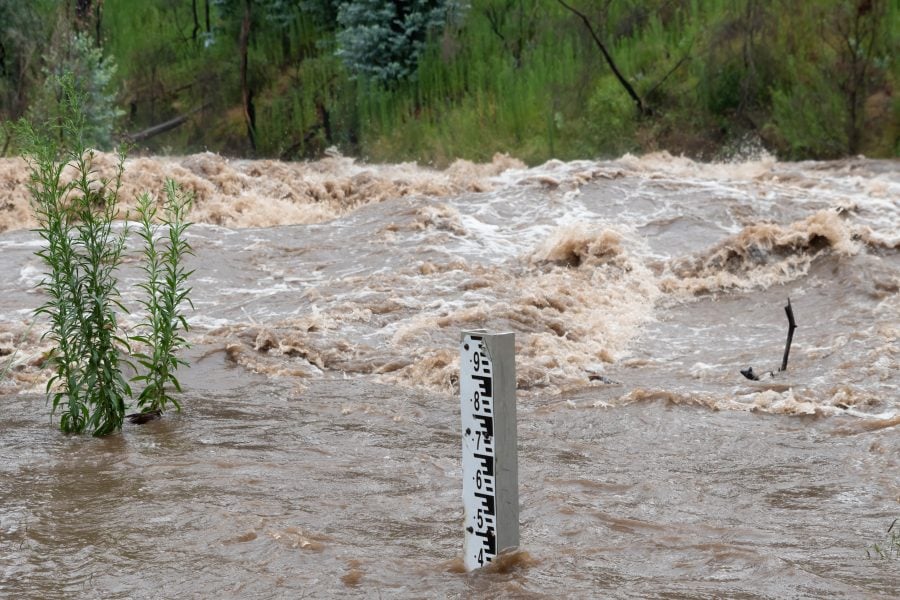
Municipal authorities in Morocco’s flood-affected Gharb region reported no unusual increase in mosquitoes during the first summer after the floods, saying early drainage and pest-control operations prevented stagnant water from becoming major breeding grounds.
The summer was viewed as the first test of the floods’ environmental and public-health effects. Exceptional rainfall had left pools and marshes that officials feared could support mosquito reproduction as temperatures increased.
Officials in Mograne, Kenitra province, and Sidi Kamel, Sidi Kacem province, said current mosquito levels remained within the seasonal range. Their assessments were based on municipal monitoring and resident complaints, rather than epidemiological or independent entomological data.
Mograne council President Mansour Krita said the commune had recorded no abnormal spread of mosquitoes, insects or rodents and had received no recent complaints requiring additional measures.
The commune carries out annual campaigns against mosquitoes and rats before the period when populations typically rise, Krita said. Some resident concerns were reported earlier in the season, but municipal services responded immediately and brought the situation under control.
Sidi Kamel council President Driss Jaaider said operations began earlier than usual because floodwater had created ponds and marshes that could have become breeding sites.
Municipal teams drained standing water before applying insecticides to areas considered at risk. The operations used mobile spraying equipment and pumps and were repeated as part of the commune’s regular summer pest-control program.
Jaaider said the presence of some mosquitoes during hot weather was normal and did not necessarily indicate a post-flood outbreak.






add your comment
Terms of publication : Not to offend the writer, people, sacred things, or attack religions or the divine self, and refrain from racist incitement and insults.