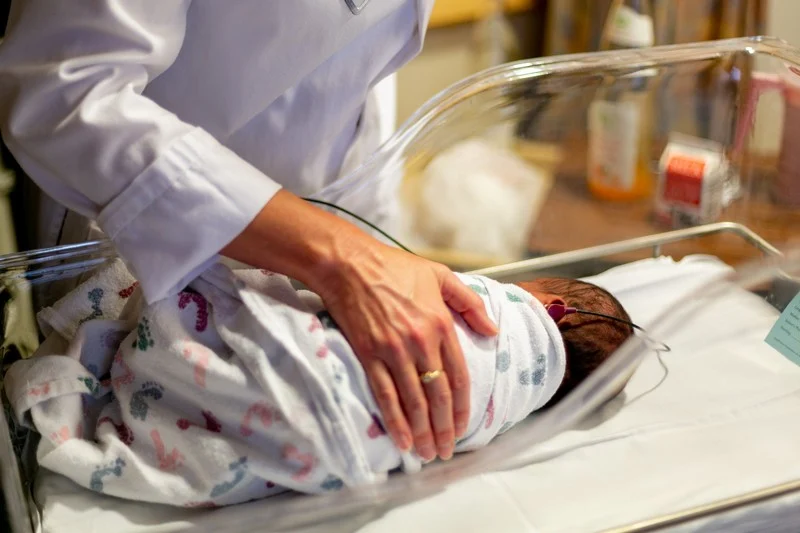
Blood-count measurements in premature babies varied significantly with gestational age and birth weight, suggesting locally derived ranges could improve neonatal care in eastern Morocco, a study found.
The retrospective study, published in the Cureus Journal of Medical Science, examined 112 uninfected premature infants admitted to Mohammed VI University Hospital in Oujda during 2023. Babies with confirmed sepsis, major congenital abnormalities or chromosomal disorders were excluded.
Researchers found that infants born before 32 weeks had different hemoglobin levels and blood-cell counts from later preterm babies.
The authors said local ranges could help neonatal intensive-care teams distinguish expected physiological variations from infection or blood disorders, potentially reducing misdiagnosis, unnecessary antibiotic use and inappropriate transfusion thresholds.
The infants’ hematological measurements were lower than values reported in American, Brazilian, French and South Korean studies. Researchers suggested maternal nutrition, socioeconomic conditions, prenatal care, limited antenatal steroid use and genetic differences may contribute, but the study did not independently test those explanations.
The authors described the findings as the first baseline data for uninfected preterm infants in eastern Morocco. Its single-center, retrospective design limits how widely the results can be applied.









add your comment
Terms of publication : Not to offend the writer, people, sacred things, or attack religions or the divine self, and refrain from racist incitement and insults.